Is social Shyness a psychological disorder?
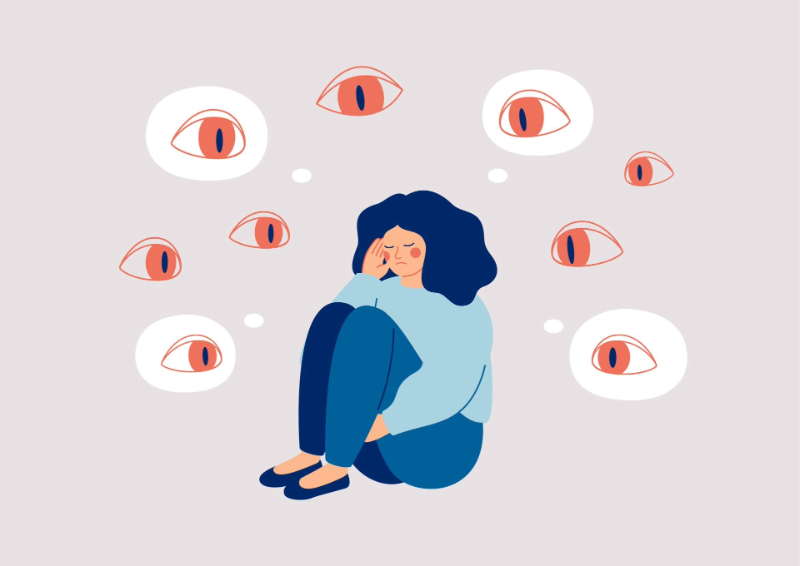
You’ve likely found yourself withdrawing or feeling shy in certain situations—social shyness is a natural trait that appears in everyone, especially in new or unfamiliar settings. However, when it becomes excessive, it may affect your relationships or hinder your personal progress.
In this article, we’ll explain how to overcome social shyness and fear, understand its causes and risks, and clarify the difference between shyness and social anxiety disorder.
What is Social Shyness?
Social shyness (Shyness) is a natural feeling that everyone experiences at certain stages of life. A person may feel hesitant or anxious in unfamiliar situations or when dealing with strangers.
Shyness is not considered a psychological disorder, but if it becomes severe enough to interfere with a person’s career or social relationships, it may become a condition that requires treatment.
In some cultures, shyness is even considered a positive trait. It’s also natural for children to show signs of shyness during certain developmental phases or new experiences.
Often, shy individuals are good listeners and highly sensitive to the emotions of others—traits that may make them great friends.
Shyness vs. Social Anxiety Disorder
Shyness is a mix of hesitation and anxiety often caused by poor social skills and fear of judgment. It is closely linked to low self-confidence.
On the other hand, social anxiety disorder is a psychological condition that causes a person to avoid social interactions either partially or completely. It is classified as an anxiety disorder and can significantly impact a person’s performance and ability to live normally.
What are Symptoms of Social Shyness?
Shyness symptoms vary between children and adults. For instance, children may cling to their parents or hide behind them when feeling shy.
Common symptoms in both children and adults include:
- Trembling
- Inability to speak
- Facial blushing
- Feelings of discomfort and tension
- Taking time to adapt to others
- Shortness of breath
- Sweating
- Heart palpitations
- Stomach discomfort
- Hesitation in taking actions or speaking
- Watching others before joining social activities
- Attempting to withdraw from social situations
These symptoms usually fade once the person becomes accustomed to the situation or learns how to manage it. The intensity of the shyness can vary depending on the situation and the individual’s adaptability.
What are Causes of Social Shyness?
Shyness results from a combination of genetic, environmental, and experiential factors:
Genetic Factors
Genetics play a role not only in physical traits but also in personality characteristics like shyness. According to the American Academy of Pediatrics, around 20% of children are naturally inclined to be shy, and thus, adults must respond with understanding and gradually encourage social interaction.
Life Experiences
Repeated exposure to social situations helps individuals adapt. However, when social exposure is forced, it can cause anxiety and increased shyness due to unpreparedness.
Additionally, negative remarks or past experiences can turn temporary discomfort into chronic shyness.
Parental behavior also shapes personality. Overly strict or authoritarian parenting can lead to a withdrawn, hesitant personality.
How to Overcome Social Shyness?
Overcoming shyness requires training and repeated practice in social settings until interaction becomes more natural.
Avoiding social situations only makes shyness worse, so it’s important to engage in them—starting with less intimidating settings and gradually progressing to more challenging ones.
You can also overcome or prevent shyness by developing skills like:
- Helping others
- Anger management
- Using humor
- Being kind
- Showing empathy
What is Treatment for Social Shyness?
Psychotherapy is one of the most effective methods to treat social shyness. It helps individuals learn social skills and better manage or interpret situations more realistically and positively.
Group therapy has shown promising results for both adults and children with shyness. Relaxation techniques like deep breathing and meditation can also be beneficial.
What are Risks of Social Shyness?
Those with social shyness may be more prone to:
- Depression and anxiety
- Overreliance on virtual communication or internet addiction
Conclusion
Remember: you don’t have to change your core nature or identity. Instead, take control of your shyness and don’t let it hold you back. Know that your valuable traits—like being a good listener and caring about others—are what many people look for in a friend.
If you still need to consult a doctor regarding this condition, you can easily book an appointment through Vezeeta
Related Keywords
Specialized Doctors

Eman Helal
Specialist Of Psychiatry And Addiction Treatment-Faculty Of Medicine-Tanta University

Mohammad Ali Gad
Psychiatry Specialist

Mohamed Elwasify
Consultant and Professor of Psychiatry_Faculty of Medicine Mansoura University
References
American Psychological Association (APA). (2023). Shyness. Retrieved from https://www.apa.org/
Mayo Clinic. (2024). Shyness: Causes and Management. Retrieved from https://www.mayoclinic.org/
National Health Service (NHS). (2023). Shyness and Social Skills. Retrieved from https://www.nhs.uk/
Psychology Today. (2023). Understanding Shyness. Retrieved from https://www.psychologytoday.com/
Verywell Mind. (2024). Social Shyness vs. Social Anxiety. Retrieved from https://www.verywellmind.com/
Specialized Doctors
Eman Helal
Specialist Of Psychiatry And Addiction Treatment-Faculty Of Medicine-Tanta University
Mohammad Ali Gad
Psychiatry Specialist
Mohamed Elwasify
Consultant and Professor of Psychiatry_Faculty of Medicine Mansoura University