What is Paget's disease of bone? Symptoms, causes, and treatment options.
What Is Paget's Disease of Bone?
Paget's disease of bone is a chronic bone disorder that directly affects the normal process of bone remodeling.
Under normal conditions, bones remain strong and resistant to fractures through a balanced process of bone breakdown and rebuilding that maintains their density and strength. In Paget's disease, this process becomes excessively rapid and disorganized, resulting in the formation of new bone that is larger, structurally abnormal, weaker, and more prone to deformity and fractures.
Paget's disease does not usually affect all the bones in the body. Instead, it commonly involves one or a few bones, most often:
- The pelvis
- The spine
- The skull
- The leg and thigh bones
What Are the Symptoms of Paget's Disease of Bone?
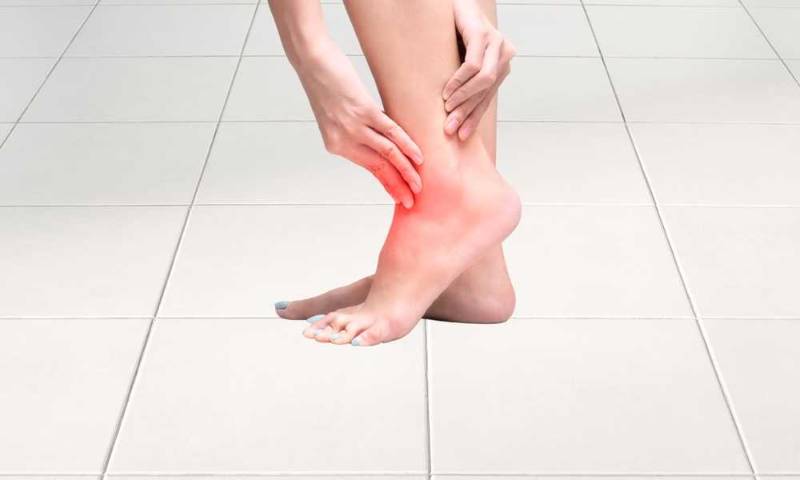
In many cases, Paget's disease causes no noticeable symptoms and is discovered incidentally during imaging studies or blood tests performed for other reasons. However, persistent bone pain is the most common symptom and may become more noticeable at night or during periods of rest.
As the disease progresses, symptoms may resemble those of other bone disorders and arthritis, including:
- Bone deformities, such as bowed legs, spinal curvature, or enlargement of the skull
- Increased susceptibility to fractures, even after minor injuries
- Damage and degeneration of cartilage in nearby joints
- Persistent headaches and neck pain (when the skull or spine is affected)
- Hearing loss or deafness caused by enlargement of skull bones and pressure on structures of the inner ear
- Numbness or tingling due to compression of nearby nerves
What Causes Paget's Disease?
The exact cause of Paget's disease remains unknown. It is considered a disorder of bone metabolism rather than an autoimmune disease. Researchers believe that several factors may contribute to its development, including:
Genetic Factors
Family history plays an important role, and the risk of developing the disease is significantly higher in individuals with affected relatives.
Viral Infection
Some studies suggest that infection of bone cells with certain slow-growing viruses may contribute to the disease in genetically susceptible individuals.
Risk Factors
Factors associated with a higher risk of developing Paget's disease include:
- Age: The disease is uncommon before the age of 40 and becomes more frequent after age 50.
- Sex: Men are affected more often than women.
- Geography: The disease is more common in Northern European populations, particularly in England and Scotland and among their descendants.
Which Doctor Treats Paget's Disease?
Paget's disease is often managed through collaboration between endocrinologists specializing in metabolic bone disorders, rheumatologists, and orthopedic specialists.
The condition is frequently discovered by chance during X-rays or blood tests performed for unrelated reasons. To confirm the diagnosis, doctors may request the following tests:
X-rays
The primary imaging test used to identify bone deformities, fractures, enlargement, and areas of abnormal bone density.
Blood Test (Alkaline Phosphatase – ALP)
Alkaline phosphatase is an enzyme produced by bone-forming cells. Its level is often significantly elevated in patients with active Paget's disease due to increased bone turnover.
Bone Scan
A bone scan helps identify all affected areas in the body. A small amount of radioactive material is injected into the bloodstream, where it accumulates in areas of increased bone activity and becomes visible on specialized imaging.
Treatment of Paget's Disease of Bone
Although Paget's disease is a chronic condition, its symptoms can usually be controlled effectively, and treatment can help prevent disease progression and complications.
Medications
Treatment aims to reduce abnormal bone turnover and relieve symptoms.
Bisphosphonates
These are the first-line treatment and work by suppressing overactive bone-resorbing cells (osteoclasts), helping restore a more normal pattern of bone remodeling.
Pain Relievers and Anti-inflammatory Drugs
Medications such as ibuprofen or paracetamol may help relieve bone and joint pain.
Calcitonin
Calcitonin is a naturally occurring hormone involved in calcium and bone regulation. It may be used as an alternative treatment in patients who cannot tolerate bisphosphonates.
Nutritional Supplements
Adequate calcium and vitamin D intake is recommended to support bone health during treatment.
Surgery
Surgical treatment is generally reserved for advanced cases or when serious complications occur, including:
- Repair and stabilization of severe fractures
- Correction of significant bone deformities causing pain or impaired mobility
- Relief of nerve compression, particularly in the spine
- Joint replacement surgery for severe osteoarthritis affecting nearby joints
Is Paget's Disease Contagious or Does It Spread Within the Body?
Paget's disease is not contagious and cannot be transmitted from one person to another.
The disease typically affects specific bones, although additional bones may become involved over time in some patients.
Complications of Paget's Disease and Prevention Tips
Without appropriate treatment, Paget's disease may lead to complications that vary according to the affected bones, including:
- Increased risk of fractures
- Kidney stones in some patients, particularly in extensive disease or during prolonged immobility
- Neurological complications such as hearing loss and, more rarely, vision problems due to compression of nerves by enlarged bones
- Early osteoarthritis and cartilage degeneration
- In very rare cases (less than 1%), development of bone cancer, most commonly osteosarcoma
Important Advice for Patients
- Maintain a balanced diet rich in protein, calcium, and vitamin D.
- Engage in regular low-impact exercise, such as walking, to preserve joint flexibility and muscle strength.
- Reduce the risk of falls by ensuring adequate lighting and removing household hazards.
- Take prescribed medications as directed and attend regular follow-up appointments, including monitoring of alkaline phosphatase (ALP) levels.
Conclusion
Paget's disease of bone is a chronic skeletal disorder that requires accurate diagnosis and ongoing monitoring. Although it may not cause symptoms in its early stages, untreated disease can lead to complications that affect bone strength, joint function, and overall quality of life. Early diagnosis and adherence to the prescribed treatment plan are essential for controlling the disease, preserving bone health, and maintaining an active lifestyle.
If you still need medical advice regarding this condition, you can easily book an appointment through Vezeeta.
Related Keywords

Specialized Doctors

Ahmed Atef
Specialist in physical therapy, rehabilitation and sports injuries

Ahmed AbdElMalek
Specialist of physiotherapy and sports injury and rehabilititation- Cairo University

Abrar mohamed
Physiotherapy specialist, stadium injuries and rehabilitation
References
https://www.orthobullets.com/pathology/8040/pagets-disease
https://www.nhs.uk/conditions/pagets-disease-bone/
https://emedicine.medscape.com/article/334607-overview
https://emedicine.medscape.com/article/334607-overview
https://pmc.ncbi.nlm.nih.gov/articles/PMC11142991/
Specialized Doctors
Ahmed Atef
Specialist in physical therapy, rehabilitation and sports injuries
Ahmed AbdElMalek
Specialist of physiotherapy and sports injury and rehabilititation- Cairo University
Abrar mohamed
Physiotherapy specialist, stadium injuries and rehabilitation