Do you suffer from persistent bone pain? Discover the symptoms of bone cancer and how it is treated.
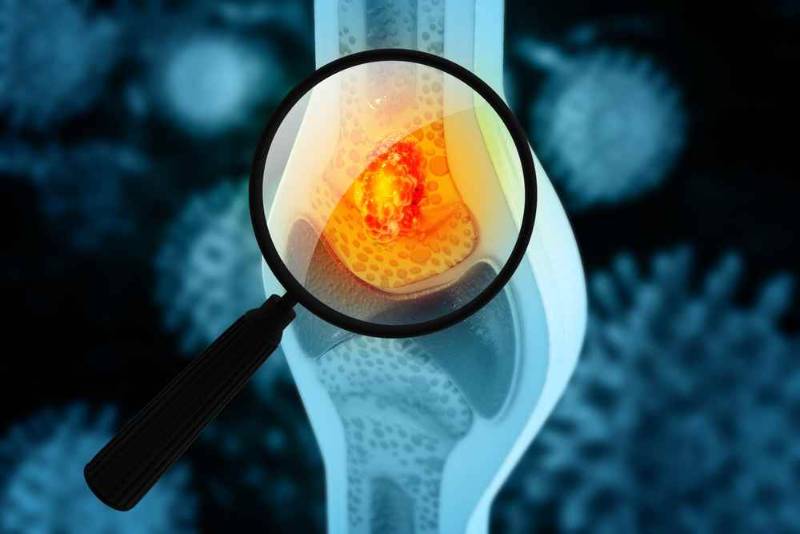
What Is Bone Cancer?
Bone cancer is defined as a malignant tumor that destroys normal bone tissue. Not all bone tumors are cancerous; some are benign and do not spread to other tissues. Bone cancer is classified into two main types:
- Primary bone cancer: Originates in the bones themselves and often causes bone cancer symptoms in the leg, pelvis, thigh, or upper arm.
- Secondary bone cancer: The most common type, which usually starts in other organs such as the lungs, prostate, or breast, then spreads to the bones through the bloodstream. This is known as metastatic cancer.
Bone cancer can affect people of all ages, but it is more common in children and adolescents. Benign bone tumors are more frequent than malignant ones.
What Are the Most Dangerous Types of Bone Cancer?
As mentioned earlier, bone tumors are divided into primary and secondary cancers. Primary bone cancers are less common but more dangerous, as they can spread to other parts of the body.
The severity of bone cancer depends on the type of affected cells and how quickly the cancer spreads. The most common and serious types include:
- Osteosarcoma: Most commonly affects children and young adults and usually develops in the bones of the leg or arm.
- Ewing Sarcoma: Affects bones or the surrounding soft tissues, commonly spreading in the pelvis or leg.
- Chondrosarcoma: Begins in the cartilage that connects bones and most often affects older adults, particularly in the pelvis and shoulder areas.
What Are Benign Bone Tumors?
Not every lump in a bone is cancerous. Benign bone tumors are abnormal cell growths that do not invade nearby tissues or spread throughout the body.
Although they are not life-threatening, they may cause pressure on nerves or blood vessels or weaken the bone structure, which may require minor surgical removal to prevent future fractures.
What Are the Symptoms of Bone Cancer?
The severity of bone cancer symptoms varies between men and women depending on the stage of the disease, the affected bones, and surrounding tissues. Tumors often grow noticeably within short periods.
As the tumor develops, it may press on nearby structures, causing symptoms to worsen the closer these structures are to the affected bone.
Early Symptoms of Bone Cancer
At first, the patient may experience mild, intermittent pain that worsens at night or during physical activity. A slight swelling or hard lump may also appear in the affected area. These symptoms are sometimes mistaken for growing pains in children or minor sports injuries.
Advanced Symptoms of Bone Tumors
As the condition progresses, the pain becomes persistent and severe. Bones may weaken to the point of fracturing without significant trauma.
Other symptoms may include:
- Severe fatigue
- Unexplained weight loss
- Mild fever
- Limited movement of joints near the tumor
Read also: Rheumatoid arthritis
What Causes Bone Tumors?
In most cases, there is no specific cause of bone cancer. However, certain factors increase the risk. Genetics play a role in some rare syndromes, and exposure to high doses of radiation (such as previous radiation therapy for other cancers) may act as a trigger. In rare cases, bone cancer is associated with chronic bone diseases such as Paget’s disease.
Stages of Bone Cancer
Bone cancer is classified into several stages based on its location, size, growth rate, spread to other organs, and the number of affected bones:
- Stage I: The tumor is confined to the bone and has not spread.
- Stage II: The tumor remains in the bone, but the cancer cells appear more aggressive under the microscope.
- Stage III: More than one tumor appears in the same bone.
- Stage IV: The cancer spreads to other organs such as the lungs or liver.
How Is Bone Cancer Diagnosed?
Diagnosis begins with a clinical examination, followed by imaging tests such as X-rays, which reveal changes in bone structure.
The doctor may also request CT scans or MRI scans for more detailed images, as well as a bone scan to determine the extent of disease spread.
What Are the Types of Bone Tumor Biopsies?
A biopsy is the only definitive way to confirm the diagnosis. A tissue sample is taken and examined using one of the following methods:
- Needle biopsy: A thin needle is used to extract tissue or fluid samples.
- Surgical biopsy: A small incision is made to remove part of the tumor or the entire mass for detailed laboratory examination.
Can Bone Cancer Be Cured?
Yes, there are significant chances of recovery, especially when the disease is detected early. Success rates depend on the type and location of the cancer and how well it responds to treatment. Thanks to advances in surgical techniques and modern chemotherapy, it is now often possible to preserve affected limbs instead of resorting to amputation, as was common in the past.
What Is the Treatment for Bone Cancer?
Treatment varies depending on the stage, size, type of cancer, and its spread to bones or other tissues. Bone cancer treatment may include one or more of the following options:
Chemotherapy
Uses powerful drugs to destroy cancer cells. It may be given before surgery to shrink the tumor and make removal easier, or after surgery to eliminate remaining cancer cells and prevent spread.
Radiation Therapy
Involves directing high-energy radiation beams at the tumor. It is often used when surgery is not possible or as an additional treatment to ensure complete destruction of cancer cells at the affected site.
Surgical Removal
Surgery is the primary treatment. The surgeon removes the tumor along with a small margin of healthy tissue (a safety margin). The main goal is to completely eliminate the cancer while preserving as much function as possible, using prosthetic replacements or bone grafts when needed.
Complications of Bone Cancer
Bone cancer may lead to several complications, including:
- Recurrent fractures
- Bleeding
- Impaired growth
- Spread of cancer to other tissues
- Weakened immune system
Prevention of Bone Cancer
Since the exact causes are unknown, there is no guaranteed way to prevent bone cancer.
However, doctors recommend minimizing unnecessary radiation exposure and closely monitoring individuals with a family history of hereditary cancer-related syndromes. A healthy lifestyle supports overall immunity but does not directly prevent the disease.
How Long Can a Bone Cancer Patient Live?
As mentioned earlier, many patients recover after receiving appropriate treatment in the early stages of the disease. Delayed treatment, however, may negatively affect survival rates.
In conclusion, although bone cancer may be linked to factors beyond one’s control, awareness of symptoms and attention to any unusual bone changes are crucial for early diagnosis. Regular medical checkups and timely treatment significantly increase recovery chances and help patients regain a safer, higher quality of life.
If you still need to consult a doctor about this condition, you can easily book an appointment through Vezeeta.
Related Keywords


Specialized Doctors



References
- https://www.cancer.net/cancer-types/bone-cancer-primary/statistics
- https://www.healthline.com/health/bone-cancer-prognosis
- https://www.cancer.org/cancer/types/bone-cancer/causes-risks-prevention/prevention.html
- https://www.webmd.com/cancer/understanding-bone-cancer-prevention
- https://www.healthline.com/health/bone-cancer-complications
- https://my.clevelandclinic.org/health/diseases/12230-bone-cancer
Specialized Doctors