What is Epilepsy? Types of Seizures, Symptoms, First Aid, and Treatment

What Is Epilepsy?
Epilepsy is a chronic neurological disorder caused by abnormal electrical activity in the brain. It is not diagnosed after a single seizure; rather, diagnosis usually requires at least two unprovoked seizures occurring at least 24 hours apart.
Epilepsy affects people of all ages and both sexes, and it is not a rare condition.
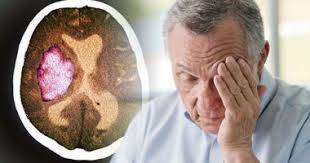
One of the major neurological conditions associated with epilepsy is stroke, which can be a leading cause of epilepsy in older adults.
Types of Epilepsy and Seizures
Epileptic seizures are divided into two main types, depending on where the abnormal electrical activity begins in the brain:
Focal Seizures
These seizures begin in a specific area of the brain and may appear differently depending on the affected region.
In some cases, the person remains fully aware but may experience unusual sensations, such as:
- A sudden change in emotions
- Smelling strange odors that are not actually present
In other cases, awareness may be partially or completely impaired, causing the person to stare blankly or repeat involuntary movements.
Focal epilepsy is one of the most common types of epilepsy in adults. One of its most common forms is temporal lobe epilepsy.
Generalized Seizures
These seizures affect both sides of the brain from the beginning and include several types:
Absence Seizures:
Common in children and usually last 5–10 seconds. During the seizure, the child may stare into space or blink rapidly without responding to others.
Tonic-Clonic Seizures:
One of the most severe and recognizable types. The patient loses consciousness, the body stiffens, followed by rhythmic jerking and repeated limb movements.
Atonic Seizures:
These involve a sudden loss of muscle strength, which may cause the patient to collapse or fall suddenly.
What Are the Symptoms of Epilepsy?
Epilepsy symptoms vary from person to person depending on the type of seizure and the affected brain region. Common symptoms include:
- Trembling or convulsions in the limbs or entire body
- Loss of consciousness or sudden episodes of unresponsiveness
- Staring into space for several seconds without responding
- Tingling or numbness in parts of the body
- Seeing flashing lights or hearing unusual sounds before a seizure
- Sudden fear or anxiety without an obvious reason
What is known as an “aura” is a warning sensation that may occur seconds before a seizure, such as a strange feeling in the stomach or smelling an unexplained odor.
What Causes Epilepsy and What Are the Risk Factors?
In about half of all cases, the cause is unknown. In the other half, possible causes include:
- Genetic factors: Some types of epilepsy run in families
- Head injuries: Accidents that cause brain damage
- Stroke: One of the leading causes in people over 35
- Brain infections: Such as meningitis or encephalitis
- Developmental disorders: Such as autism spectrum disorder
- Brain tumors or vascular malformations
There are also seizure triggers that do not cause epilepsy but may provoke seizures, including:
- Lack of sleep
- Severe stress
- Alcohol
- Stopping medications suddenly
- Flashing lights
First Aid During an Epileptic Seizure
Knowing seizure first aid can save lives. If you witness someone having a seizure:
- Stay calm and remain with the person until the seizure ends
- Remove dangerous objects nearby to prevent injury
- Place something soft under their head and turn them onto their side to prevent choking
- Do not put anything in the person’s mouth
- Do not restrain their movements or hold them down
Call emergency services immediately if:
- The seizure lasts more than 5 minutes
- Another seizure follows right away
- The person is pregnant, diabetic, or injured during the seizure
What Is the Treatment for Epilepsy?
The goal of epilepsy treatment is to achieve complete seizure control with minimal side effects.
Medications
Anti-seizure medications are the first-line treatment. More than half of newly diagnosed patients achieve full seizure control with the first medication they take. Medications are selected based on seizure type, age, and overall health.
Surgery
For patients whose seizures do not respond to medication, surgery may be considered to remove the area of the brain causing the seizures, provided it is far from areas responsible for speech and movement.
Vagus Nerve Stimulation and Ketogenic Diet
The ketogenic diet (high-fat and low-carbohydrate) can be effective for patients whose seizures are difficult to control with medication.
A vagus nerve stimulation (VNS) device is a small implanted device placed under the skin that can reduce seizures by 20–40%.
Can Epilepsy Be Cured?
The question every patient asks is: Can epilepsy be completely cured?
The answer depends on its type and cause.
Some children outgrow epilepsy as they get older. Many patients who remain seizure-free for two years or more while taking medication may gradually stop treatment under medical supervision.
However, approximately one-third of patients do not respond to medications and may require surgical evaluation.
When Should You See a Doctor?
Seek medical advice from a neurologist immediately in the following situations:
- If this is your first seizure
- If seizures continue despite medication
- If you are pregnant and experiencing seizures
- If your child has recurrent seizures
- If a seizure causes physical injury or another medical emergency
Conclusion
In the end, epilepsy is not just about convulsive seizures, as many people believe. It is a neurological condition that requires proper understanding, accurate diagnosis, and appropriate treatment.
Thanks to major advances in medicine, many people with epilepsy can successfully control their seizures and live normal, productive lives. Therefore, awareness of symptoms and seeking early medical help play an important role in improving quality of life and reducing potential complications.
If you still need a medical consultation regarding this condition, you can easily book an appointment through Vezeeta.
Related Keywords





References
- https://my.clevelandclinic.org/health/diseases/17636-epilepsy
- https://www.healthline.com/health/epilepsy
- https://www.healthline.com/health/epilepsy/medications
- https://www.healthline.com/health/epilepsy/epilepsy-and-pregnancy
- https://www.webmd.com/epilepsy/what-is-epilepsy
- https://www.nhs.uk/conditions/epilepsy/