

What are the early symptoms of prostate cancer?
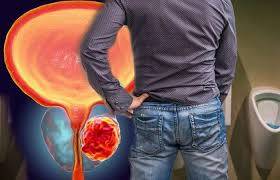
What is prostate cancer?
Prostate cancer is a malignant tumor that affects the cells of the prostate gland, a small walnut-sized gland located just below the bladder and surrounding the urethra. The main function of this gland is to secrete seminal fluid that nourishes and transports sperm.
When prostate cells undergo genetic mutations, they begin to divide abnormally, forming a tumor that may remain confined to the prostate for many years without causing any obvious harm at first. This slow growth makes the disease manageable if it is detected before it breaks through the outer wall of the gland and spreads to nearby tissues.
What are the symptoms of prostate cancer?
When the tumor grows large enough, it begins to press on the urethra, the tube that carries urine from the bladder out of the body. This pressure leads to several noticeable urinary symptoms that affect daily life, including:
- Severe difficulty starting urination, weak urine flow, or interrupted stream.
- Frequent and urgent need to urinate, especially at night.
- Inability to completely empty the bladder and a constant feeling of residual urine.
- Blood in the urine or semen, which requires urgent medical evaluation.
- Pain or burning during urination or ejaculation.
Early symptoms of prostate cancer
In the early stages of the disease, the patient usually does not notice any warning signs or visible symptoms.
This is because the tumor is very small and located in parts of the gland far from the urethra, meaning it does not cause pressure or obstruction to urine flow.
As a result, most cases at this stage are discovered incidentally during routine medical tests, such as a blood test measuring prostate-specific antigen (PSA) or a digital rectal examination.
Prostate cancer symptoms in older adults
The likelihood of developing this disease increases significantly with age, especially after the age of 50. Older adults face a particular challenge because the symptoms of prostate cancer can resemble those of benign prostatic hyperplasia (BPH), a non-cancerous enlargement common in aging men.
In addition to urinary problems, elderly patients in advanced stages may experience persistent bone pain, particularly in the lower back, hips, or pelvis, due to the spread of cancer cells to the skeleton. They may also notice sudden weakness in the legs or difficulty controlling the bowel and bladder if the spreading tumor compresses the spinal cord.
When is prostate cancer dangerous?
Prostate cancer becomes dangerous when it is no longer confined to the gland and begins to invade surrounding tissues or spread through the blood and lymphatic systems to other organs, such as bones and distant lymph nodes.
It is also considered high-risk if biopsy results show aggressive, fast-growing cancer cells. Neglecting medical consultation when symptoms appear may lead to complete urinary obstruction, causing serious complications such as acute kidney failure or bladder damage.
Is prostate cancer fatal?
According to global health data, prostate cancer is not considered fatal in most cases. Due to its slow-growing nature, most men diagnosed in early stages live for many years and may fully recover.
How is prostate cancer initially screened?
Initial screening is done through a simple blood test measuring prostate-specific antigen (PSA), along with a digital rectal examination performed by a doctor to assess the size and texture of the gland.
Treatment of prostate cancer
The choice of treatment depends on several key factors, including the patient’s age, overall health, and the aggressiveness and spread of the tumor. Available treatment options include:
- Active surveillance: Delaying immediate treatment and monitoring the tumor regularly with blood tests and check-ups if it is slow-growing and symptom-free.
- Surgical removal: Complete removal of the prostate gland and surrounding tissues, commonly used for localized tumors.
- Radiation therapy: Using high-energy beams to kill cancer cells and destroy their DNA.
- Hormonal therapy: Blocking testosterone production, as prostate cancer cells rely on this hormone to grow.
- Chemotherapy: Using powerful drugs to kill rapidly dividing cancer cells, mainly used in advanced stages.
Signs of recovery from prostate cancer
Successful response to treatment and monitoring recovery signs are essential for reassurance. Improvement is indicated by:
- A significant drop in PSA levels in the blood to near zero or undetectable levels after surgery.
- Disappearance of urinary symptoms and reduction of bone pain.
- Stable imaging and MRI results showing no new tumor activity.
Prevention of prostate cancer
There is no guaranteed way to completely prevent prostate cancer, but several measures can significantly reduce the risk:
- Eating a balanced diet rich in fruits, vegetables, and antioxidants such as lycopene found in tomatoes, while reducing saturated fats and processed meats.
- Regular physical activity and maintaining a healthy body weight, as obesity is linked to more aggressive forms of cancer.
- Regular medical check-ups, especially after age 50, for early detection and better treatment outcomes.
Conclusion
Prostate cancer is one of the most common cancers in men, but early detection greatly improves the chances of successful treatment and recovery. Therefore, it is important not to ignore symptoms or delay consulting a doctor when any unusual signs appear.
If you still need medical consultation regarding this condition, you can easily book an appointment through Vezeeta.
Related Keywords

Specialized Doctors

Mohamed Abd Elhamed Hefny
Consultant in Oncology ,Hematology and Nuclear Medicine, Al-Azhar Medicine

Alaa Abd elaziz
specialist in Oncologist and Radiation Therapist

Moustafa Abbas
Consultant and MD in Oncology and Nuclear Medicine, Cairo University, Kasr Al-Ainy
References
https://www.nhs.uk/conditions/prostate-cancer/
https://prostatecanceruk.org/
https://www.cancer.gov/types/prostate
https://emedicine.medscape.com/article/1967731-overview
https://www.pcf.org/
Specialized Doctors
Mohamed Abd Elhamed Hefny
Consultant in Oncology ,Hematology and Nuclear Medicine, Al-Azhar Medicine
Alaa Abd elaziz
specialist in Oncologist and Radiation Therapist
Moustafa Abbas
Consultant and MD in Oncology and Nuclear Medicine, Cairo University, Kasr Al-Ainy


