

What are PRP hair injections and how do they help reduce hair loss?
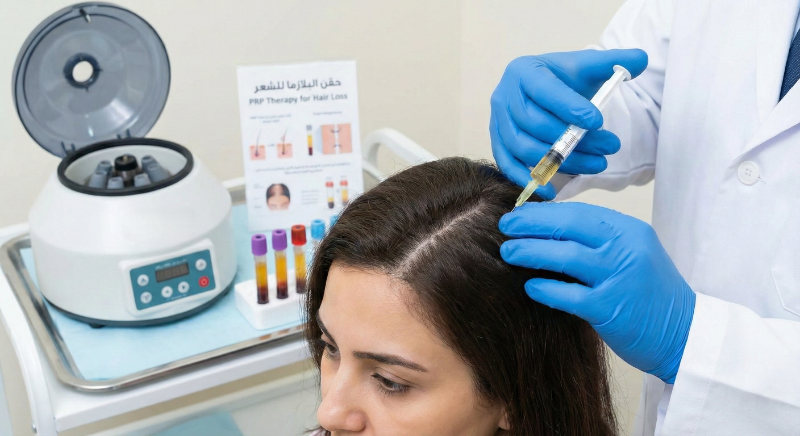
What are PRP hair injections?
PRP hair injections are a treatment used to reduce hair loss and stimulate hair growth. A small amount of your blood is drawn and processed using a centrifuge to separate its components and obtain platelet-rich plasma (PRP). These platelets contain substances that help regenerate cells and repair the scalp, strengthening hair follicles and stimulating the growth of new hair.
Benefits of PRP hair injections
The benefits of PRP are not limited to stopping hair loss; they also provide strong internal support to strengthen follicles and stimulate new hair growth. Key benefits include:
- Strengthening hair follicles by acting as direct nourishment for weak follicles.
- Increasing blood flow to the scalp, providing more oxygen and nutrients to the hair.
- Increasing hair thickness and strengthening the roots.
- Stimulating inactive follicles to produce new hair.
- Reducing thinning areas and giving the scalp a fuller appearance.
PRP hair injections for genetic hair loss
PRP is an excellent option for people in the early or moderate stages of genetic hair loss. Growth factors help strengthen hair follicles and stimulate new hair growth. In cases of complete baldness or severely damaged follicles, PRP alone may not be sufficient, and other treatments—such as hair transplantation—may be needed.
How PRP hair injections are performed
The procedure follows precise, organized steps to ensure maximum effectiveness and safety. The doctor begins by drawing a small amount of blood, usually between 10 and 30 milliliters, from the patient’s arm. The blood is then placed in a centrifuge for about 10 minutes to separate the plasma. After disinfecting the scalp—and sometimes applying a mild local anesthetic—the doctor injects the plasma into the deeper layers of the skin using very fine needles in the affected areas.
How many PRP sessions are needed?
Full results cannot be achieved from a single session. A treatment protocol determined by the doctor is required. Typically, a person needs an initial intensive program of 3 to 4 sessions, spaced 4 to 6 weeks apart. This interval allows the follicles to respond to growth factors and begin the natural, gradual process of cellular regeneration.
When do PRP hair results appear?
Patience is key with this treatment, as the hair growth cycle takes time. Most people notice early improvement in hair texture and reduced shedding after the second or third session. Clear, final results in terms of density and length usually appear 3 to 6 months after completing the recommended treatment program, once the follicles have regained strength and begun producing healthy strands.
How long do PRP results last?
PRP is an ongoing treatment rather than a one-time, lifetime solution. To maintain results and preserve hair strength, doctors usually recommend a maintenance session every 6 to 12 months after completing the initial course. Without these periodic sessions, hair loss may gradually return, especially in people with ongoing health or genetic factors affecting hair growth.
What are the side effects of PRP for hair?
Since PRP is derived from the patient’s own blood, the risk of allergic reactions or infection is extremely low.
However, some mild and temporary side effects related to the injection process itself may occur, such as:
- Mild pain or slight swelling in the scalp.
- Minor bruising at injection sites.
- These symptoms typically resolve within two to three days without treatment.
Are PRP injections painful?
You may feel a very mild pinprick during the injections. The doctor can use a topical anesthetic cream or scalp cooling to minimize discomfort and make the experience more comfortable.
Can PRP cause increased hair shedding at first?
In very rare cases, a temporary and mild increase in shedding may occur due to increased blood circulation, but this quickly subsides as the healthy growth phase begins.
Is PRP suitable for everyone?
PRP is suitable for most people, but it may not be the best option for those with chronic blood disorders, severe platelet deficiency, certain cancers, or active infections.
Conclusion
PRP hair injections are an effective option for people experiencing hair loss or early to moderate genetic baldness. They help strengthen hair follicles and stimulate new hair growth, improving hair density and appearance naturally. However, it is important to consult a specialist to determine whether PRP is suitable for your condition or if other treatments, such as hair transplantation, are more appropriate.
If you still need to consult a doctor regarding this condition, you can easily book an appointment through Vezeeta.
Related Keywords




References
- https://www.healthline.com/health/prp-for-hair-loss
- https://www.google.com/search?q=https://my.clevelandclinic.org/health/treatments/23221-prp-for-hair-loss
- https://www.google.com/search?q=https://www.webmd.com/skin-problems-and-treatments/hair-loss/platelet-rich-plasma-prp-for-hair-loss
- https://pubmed.ncbi.nlm.nih.gov/30714433/
- https://www.google.com/search?q=https://www.mayoclinic.org/tests-procedures/prp-therapy/about/pac-20384650
- https://www.medicalnewstoday.com/articles/326294
- https://www.google.com/search?q=https://www.webmd.com/skin-problems-and-treatments/hair-loss/platelet-rich-plasma-prp-for-hair-loss


