

What are the methods of hair transplantation? And how much does it cost?
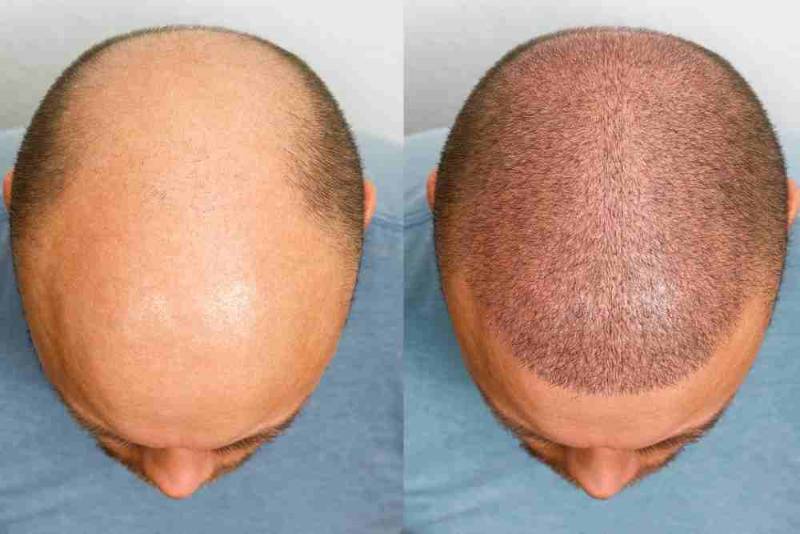
Hair transplantation has become one of the most popular cosmetic procedures, attracting many individuals who suffer from significant hair loss—not only for the scalp but also for eyebrows and beard restoration.
In this article, we’ll answer all your questions about hair transplant costs, pros and cons, and the latest techniques used.
What Is Hair Transplant?
A hair transplant is a cosmetic procedure aimed at filling bald spots or areas with thinning hair by transferring healthy hair follicles from a donor site (usually the back of the scalp) to recipient areas with hair loss.
The back of the scalp is typically denser than the front, where hair usually thins gradually. Thus, follicles are often harvested from the back and implanted in the front.
Hair transplants are usually performed under local anesthesia and deliver impressive, long-lasting results in most cases.
Who Needs a Hair Transplant?
Hair transplants restore a youthful appearance and boost self-confidence. Since hair is a key beauty feature for both men and women, this procedure suits a wide range of people, including:
- Women experiencing severe hair loss
- Men with hereditary baldness
- Individuals who lost hair due to burns or surgeries
- Patients suffering from conditions like alopecia areata
Who Might Not Be Eligible?
Not everyone is a candidate for hair transplantation. Cases where it may not be suitable include:
- Hair loss due to chemotherapy or radiation
- Insufficient donor hair density
- Scalp reduction surgeries
- Keloid scar formation
- Diffuse hair loss in women
What areTypes of Hair Transplant Procedures?
There are several techniques, each with its benefits depending on the patient's needs and type of hair loss:
1. Hair Grafting
The most common method for covering medium-sized bald areas, where follicles are implanted into bald zones. This includes:
a. FUT (Follicular Unit Transplantation)
- A strip of scalp is removed from the donor site
- The strip is divided into smaller grafts
- Each graft (1–2 hairs) is implanted individually in the recipient site
b. FUE (Follicular Unit Extraction)
- Follicles are extracted directly using special tools
- They are implanted in small incisions in the recipient site
- Less invasive and causes fewer scars, though it takes more time
Recent advancements include:
- Sapphire FUE: Uses 3D sapphire blades to create precise incisions at 45° angles for natural-looking results
- Choi Implanter Pens (DHI): Allow simultaneous incision and implantation, skipping the channel creation step
2. Flap Surgery
Used for severe hair loss in large areas, especially at the front of the scalp. Under general anesthesia, a skin flap from the donor area is partially detached and moved to the bald area while preserving blood supply.
3. Scalp Reduction
Primarily for reducing the size of the forehead or bald patches by surgically removing bald skin and stretching the surrounding hair-covered skin to close the gap.
4. Tissue Expansion
Effective for burn victims. Balloons (tissue expanders) are inserted under nearby hair-bearing skin, then gradually inflated to stretch the skin. The expanded skin is then used to cover the bald areas.
What are Pre- and Post-Operative Instructions?
A successful transplant requires preparation and aftercare. Full results may take 10–12 months, and following your doctor’s guidance is critical.
Before the Procedure:
- Blood tests to ensure safety
- Review of medical history and current medications
- Stop smoking at least 2 weeks prior
- Stop blood thinners after consulting your doctor
After the Procedure:
- Local anesthesia allows same-day discharge
- Pain relievers and bandage removal the next day
- Gentle washing after 3–5 days
- Use prescribed hair sprays
- Avoid touching the grafts
- No shampoo for a few days
- Return to the clinic after 7–10 days for stitch removal
- Avoid intense physical activity for 3 weeks
Shedding of transplanted hair is normal after ~6 weeks. Regrowth begins within 5–6 weeks post-shedding.
What are Potential Side Effects of Hair Transplant?
Most side effects are minor and temporary, including:
- Infection
- Allergic reaction to anesthesia
- Bleeding
- Itching or swelling
- Folliculitis
- Temporary numbness
- Scabbing or bruising
- Shock loss (temporary loss of transplanted hair)
- Uneven hair growth angles
What is the Duration of the Procedure?
Depends on the size of the area and the technique. Beard and eyebrow transplants take less time than full scalp procedures. Large areas may require multiple sessions.
What is the Cost of Hair Transplant?
Several factors influence the cost:
- Size and number of bald areas
- Technique used (FUE, FUT, DHI, etc.)
- Doctor’s experience and qualifications
- Type of anesthesia
- Number of sessions required
- Location and facility quality (hospital or clinic)
Note: Hair transplants are cosmetic procedures and are generally not covered by insurance.
Final Thoughts
Hair transplantation offers a long-lasting solution to baldness with multiple techniques to suit your needs. Choosing a skilled doctor and carefully following all instructions ensures the highest success rate and best results.
If you still need to consult a doctor regarding this condition, you can easily book an appointment through Vezeeta.com.
Related Keywords
Specialized Doctors



References
Mayo Clinic. Hair Transplant: What You Can Expect.
https://www.mayoclinic.org/tests-procedures/hair-transplant/about/pac-20384760
International Society of Hair Restoration Surgery (ISHRS). Hair Restoration Information.
https://ishrs.org/hair-transplant
American Academy of Dermatology (AAD). Hair Transplant Surgery.
https://www.aad.org/public/diseases/hair-loss/treatment/hair-transplant-surgery
Cleveland Clinic. Hair Transplant: Procedure, Recovery & Risks.
https://my.clevelandclinic.org/health/treatments/16652-hair-transplant
Healthline. Hair Transplant: Cost, Recovery, and What to Expect.
https://www.healthline.com/health/hair-transplant
Specialized Doctors


