

What Causes Lower Back Pain in Women and Men, and When Is It Serious?

What Is Lower Back Pain?
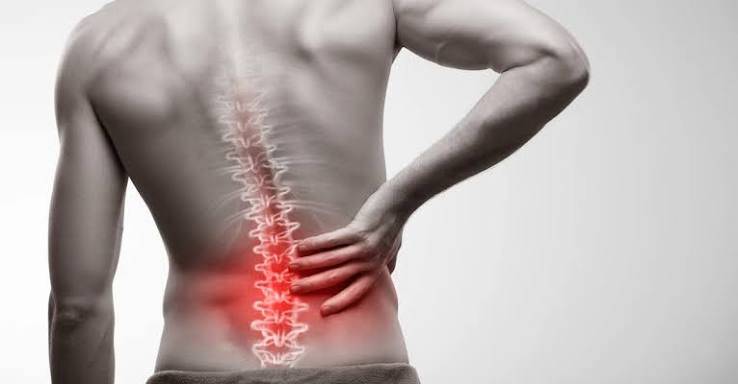
Lower back pain is pain or discomfort in the lumbar region of the spine, located between the bottom of the rib cage and the top of the buttocks.
This area carries a large part of the body’s weight and helps you stand, bend, twist, and move. It may therefore be affected by poor sitting posture, physical effort, or injuries to the muscles and vertebrae.
Lower back pain is classified according to how long it lasts:
- Acute lower back pain: Usually lasts several days or weeks. It may appear suddenly after an incorrect movement or muscle strain.
- Subacute lower back pain: Lasts from 4 to 12 weeks.
- Chronic lower back pain: Lasts for more than 12 weeks, even after treatment.
Persistent pain does not necessarily mean that a serious problem is present. You should seek medical evaluation if the pain does not improve or begins to affect your movement and daily activities.
What Are the Common Causes of Lower Back Pain?
Lower back pain may be related to the muscles, vertebrae, or nerves. Common causes include:
Muscle strain and overuse of the back muscles
Lower back pain may occur when some muscle fibers or ligaments around the spine are stretched or torn. This can happen after lifting a heavy object incorrectly, making a sudden movement, or doing physical activity beyond your muscles’ ability.
You may notice:
- Pain that increases with bending or movement.
- Stiffness and difficulty moving the back.
- Muscle spasms in the affected area.
- Gradual improvement with appropriate movement and muscle care.
Herniated discs in the lumbar spine
A herniated disc occurs when part of the disc between the vertebrae protrudes and may press on nearby nerves, causing lower back pain.
If the disc presses on the sciatic nerve, you may develop sciatica symptoms, including:
- Pain extending from the lower back to the buttocks.
- Pain or burning extending into one leg.
- Numbness or tingling in the leg or foot.
- Muscle weakness in some cases.
Having a herniated disc does not necessarily mean that surgery will be needed. Many cases improve with conservative treatment and physical therapy, depending on the doctor’s assessment.
Problems affecting the vertebrae and joints
Lower back pain may result from changes in the vertebrae and joints that occur with age, such as osteoarthritis or spinal stenosis.
You may notice increased pain when standing or walking for long periods, along with back stiffness and difficulty moving. With spinal stenosis, pain or numbness may extend into the legs. It may worsen while standing or walking and improve when sitting or bending forward.
Pain above the buttocks, or tailbone pain
If you feel pain at the end of the spine, near the top of the buttocks, the cause may be a problem with the tailbone.
This may occur after falling onto the buttocks, sitting for long periods on hard surfaces, or experiencing a direct injury.
Signs of tailbone pain include:
- Pain that worsens when sitting.
- Pain when moving from sitting to standing.
- Localized pain when pressing on the tailbone area.
Kidney and urinary tract problems
Not all pain in the lower back area comes from the spine. It may sometimes be related to kidney stones or a kidney infection.
If the pain is caused by a kidney problem, you may feel it on one side of the back, just below the ribs. It may be accompanied by:
- Severe flank pain that may spread to the lower abdomen or groin.
- Burning or pain during urination.
- A change in urine color or blood in the urine.
- Fever and chills in cases of infection.
Do not delay medical evaluation if the pain is accompanied by fever, chills, or difficulty urinating.
What Causes Lower Back Pain in Men?
Lower back pain in men may have the same common causes, such as muscle strain, herniated discs, and spinal problems. It may also result from conditions affecting the urinary or reproductive system.
Common causes include:
- Prostatitis: May cause pain in the lower back, pelvis, or the area between the scrotum and anus. It may also cause burning during urination, difficulty urinating, or pain during ejaculation.
- Kidney stones: May cause sharp pain on one side of the back that can spread to the lower abdomen or groin.
- Muscle strain: Especially after lifting heavy objects or exercising without proper warm-up.
- Spinal problems: Such as herniated discs or osteoarthritis of the lumbar vertebrae.
If your back pain is accompanied by pelvic pain or changes in urination, tell your doctor about these symptoms to help identify the cause.
What Causes Lower Back Pain in Women?
Women may develop lower back pain because of muscle strain or spinal problems. Other causes may be related to menstruation, pregnancy, or reproductive health.
Common causes include:
Menstruation: You may feel lower back pain before or during your period because of uterine contractions. The pain may spread to the lower back and thighs. It may be accompanied by lower abdominal cramps, bloating, and fatigue.
Endometriosis: Endometriosis occurs when tissue similar to the lining of the uterus grows outside the uterine cavity. It may cause chronic pelvic pain that extends to the lower back.
You may also notice:
- Severe menstrual pain.
- Pain during sexual intercourse.
- Pain during bowel movements or urination, especially during your period.
- Difficulty becoming pregnant in some cases.
Pregnancy: Lower back pain is common during pregnancy. It may result from increased body weight, a change in the center of gravity, and hormonal changes that affect the ligaments and joints.
Pain may increase as pregnancy progresses because of greater pressure on the back and pelvic muscles.
If the pain is accompanied by vaginal bleeding, regular contractions, or unusual symptoms, contact your doctor for evaluation.
Problems affecting the ovaries or uterus: Some reproductive conditions, such as ovarian cysts or uterine fibroids, may cause pelvic or lower abdominal pain that extends to the back.
The symptoms depend on the nature and size of the problem and any associated symptoms. The cause cannot be identified from the location of the pain alone.
What Causes Lower Back Pain Before a Period?
It may result from uterine contractions and other changes related to menstruation. The pain may extend to the lower back and thighs. If the pain is severe or affects your daily life, you may need medical evaluation to rule out endometriosis or other causes.
Why Do You Feel Lower Back Pain on the Right or Left Side?
The location of pain may suggest a possible cause, but it is not enough by itself to diagnose the condition.
Right-Sided Lower Back Pain
Possible causes include:
- Muscle strain on the right side of the back.
- Problems affecting the vertebrae or nerves.
- Stones or infection in the right kidney.
- Problems affecting abdominal organs, such as appendicitis, especially if the pain is accompanied by lower abdominal pain.
Left-Sided Lower Back Pain
Possible causes include:
- Overuse of the muscles on the left side.
- A herniated disc or nerve irritation.
- Stones or infection in the left kidney.
- Some digestive or pelvic conditions.
If the pain is severe or accompanied by fever, vomiting, urinary symptoms, or abdominal pain, seek medical evaluation instead of assuming it is only muscle strain.
Why Do You Feel Lower Back Pain When You Wake Up?
If you wake up with stiffness or pain in your lower back, possible factors include:
- Sleeping position: Some sleeping positions may increase pressure on the back muscles and joints.
- An unsuitable mattress: The mattress may not provide comfortable support for the spine.
- Limited movement: Sitting for long periods and having low physical activity may cause stiffness in the muscles and joints.
- Inflammatory spinal arthritis: This may cause morning stiffness and pain that gradually improves with movement.
If morning stiffness persists or occurs repeatedly, especially if it improves with movement and worsens with rest, medical evaluation may be needed to rule out inflammatory causes.
What Causes Sudden Lower Back Pain?
Lower back pain may appear suddenly after lifting a heavy object, bending incorrectly, or twisting quickly.
In many cases, the cause is muscle strain or a spasm in the muscles around the spine.
Sudden pain may sometimes be related to a herniated disc, kidney stones, or spinal injuries. Pay attention to associated symptoms, especially if the pain is severe or does not improve.
What Is the Difference Between Lower Back Pain and Kidney Pain?
Muscle pain is often related to movement and bending and may change with body position. Kidney pain usually occurs in the flank below the ribs and may be accompanied by burning during urination, a change in urine color, or fever. These signs alone cannot always identify the cause.
When Is Lower Back Pain Serious and Requires Medical Attention?
Most cases of lower back pain are not caused by a serious problem. Some symptoms, however, require urgent medical evaluation.
Go to the emergency department immediately if your back pain is accompanied by:
- Loss of bladder or bowel control, or new inability to urinate.
- Numbness or loss of sensation around the genitals or between the thighs, known as saddle anesthesia.
- Severe or worsening weakness in one or both legs.
- Back pain after an accident or serious injury.
These signs may indicate dangerous pressure on the nerves, such as cauda equina syndrome, which requires urgent medical care.
If your back pain is accompanied by fever, chills, unexplained weight loss, or you have a history of cancer or a weakened immune system, contact a doctor promptly for evaluation.
You should also schedule a medical appointment if the pain persists without improvement or keeps returning and affects your sleep, movement, or daily activities.
How Is Lower Back Pain Diagnosed?
Diagnosis depends on the nature of the pain, associated symptoms, and a physical examination.
Your doctor may ask:
- When did the pain begin? Did it appear suddenly or gradually?
- Is it centered in the middle of the back or on one side?
- Does it spread to the buttocks or legs?
- Does it worsen with movement, sitting, or waking up?
- Is it accompanied by numbness, weakness, or urinary symptoms?
The doctor then examines back movement, muscle strength, sensation, and reflexes.
Depending on the situation, the doctor may order tests such as:
- X-ray: To identify some bone problems, fractures, and structural changes.
- Magnetic resonance imaging (MRI): To assess discs, nerves, and soft tissues, especially when nerve compression or warning signs are suspected.
- Urinalysis: If a urinary tract infection or kidney stone is suspected.
- Blood tests: When infection, inflammation, or another condition is suspected.
Not every case of lower back pain requires an X-ray or MRI. The doctor chooses the appropriate tests based on the symptoms and physical examination.
How Is Lower Back Pain Treated?
Treatment depends on the cause and severity of the symptoms. Mild cases may improve within a short time without complex interventions.
Treatment options include:
Home care
If the pain is mild and there are no warning signs, you may try the following measures:
- Use cold or warm compresses, depending on which provides greater relief.
- Continue moving and take short walks as tolerated.
- Avoid heavy lifting and movements that increase the pain.
- Avoid complete bed rest for long periods.
- Choose a comfortable sleeping position that supports proper back alignment.
Medications
A doctor may prescribe medicines depending on the cause of the pain, such as:
- Pain relievers.
- Nonsteroidal anti-inflammatory drugs.
- Muscle relaxants in some cases and for a limited period.
Do not use these medicines without medical advice, especially if you have a stomach ulcer, kidney disease, or take other medicines. Their suitability differs from person to person.
Physical therapy
Physical therapy can improve spinal movement and strengthen the muscles that support the spine. It may include:
- Exercises to strengthen the abdominal and back muscles.
- Stretching and flexibility exercises.
- Posture-improvement exercises.
- Guidance on correct movement while sitting and lifting objects.
Surgery
Most cases of lower back pain do not require surgery. A doctor may recommend surgery in some cases, such as severe nerve compression, worsening neurological weakness, or persistent symptoms despite appropriate treatment, depending on the diagnosis.
How Can Lower Back Pain Be Prevented?
You can reduce the chance of developing back pain through daily habits:
- Stay physically active and walk or exercise regularly as appropriate.
- Sit in a comfortable position with support for the lower back.
- Avoid sitting for long periods without changing position.
- Bend your knees and keep your back straight when lifting objects from the floor.
- Maintain a healthy weight to reduce pressure on the spine.
- Gradually strengthen your abdominal and back muscles.
- Choose a mattress and pillow that provide a comfortable sleeping position.
In Summary, Do not ignore lower back pain if it keeps returning or affects your ability to move. Early evaluation can help identify the cause, choose appropriate treatment, and prevent some problems that may affect spinal health.
If you still need a doctor’s consultation regarding this condition, you can easily book an appointment through Vezeeta.
Related Keywords
Specialized Doctors



References
https://www.nhs.uk/conditions/Back-pain/
https://www.medlineplus.gov/ency/article/007425.htm
https://www.nice.org.uk/guidance/ng59/chapter/Recommendations
https://www.acog.org/womens-health/faqs/back-pain-during-pregnancy
https://medlineplus.gov/ency/article/000458.htm
https://medlineplus.gov/endometriosis.html
https://www.mayoclinic.org/diseases-conditions/back-pain/symptoms-causes/syc-20369906
Specialized Doctors


