

What Are the Signs of Omphalitis in Infants, and How Is It Treated?
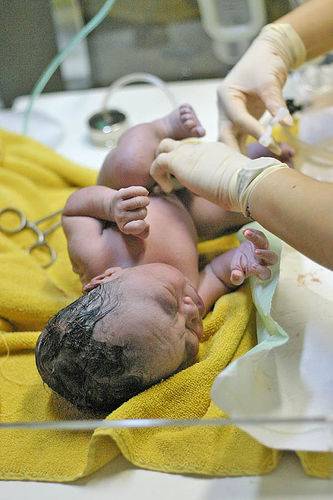
What Is Omphalitis in Infants?
Omphalitis is a bacterial infection affecting the umbilical cord stump and the surrounding tissues in newborns. It may occur before or after the cord stump falls off when bacteria enter the area before it has fully healed.
This condition can be serious because a newborn’s immune system is still developing. The infection may spread to nearby tissues or the bloodstream if the baby does not receive appropriate treatment in time.
What Causes Omphalitis in Infants?
One of the main causes of omphalitis is the introduction of bacteria into the umbilical area during or after delivery through contact with unclean hands or instruments. Poor care of the umbilicus and failure to keep it clean and dry may also increase the risk, particularly in premature or low-birth-weight infants.
How Can I Tell If a Newborn’s Umbilicus Is Infected?
You may notice signs of omphalitis by checking the area around the umbilical cord while changing your baby’s diaper or cleaning them. Key symptoms include:
- Redness of the skin around the umbilicus, especially if it begins to spread.
- Yellow or green discharge that looks like pus, sometimes with a foul smell.
- Swelling or puffiness around the umbilicus.
- Irritability or crying when the inflamed area is touched.
- Fever, lethargy, or poor feeding.
Your baby does not need to have all of these symptoms for an infection to be suspected. Spreading redness, pus, or a foul smell requires prompt medical evaluation.
How Is Omphalitis Treated in Newborns?
Treatment depends on the severity of the infection and how far it has spread. A pediatrician should determine the treatment after examining the newborn, because some cases can progress quickly and require hospital admission.
Treatment may include:
- Antibiotics: A doctor may prescribe antibiotics to eliminate the bacteria. Confirmed or more serious infections often require intravenous antibiotics in the hospital, especially when the infection may have spread.
- Umbilical care: Keep the area clean and dry, and follow the doctor’s instructions for cleaning it. Avoid applying creams or antiseptics unless prescribed.
- Medical follow-up: The baby should be monitored to confirm that the infection is improving and has not spread to nearby tissues or the bloodstream.
Can Omphalitis Be Treated at Home?
Trying to treat true omphalitis at home, or relying only on ointments or natural remedies, is not recommended because the infection can spread quickly in newborns. Keeping the umbilicus clean and dry is part of routine care, but it does not replace medical assessment or antibiotic treatment when an infection is present.
What Does an Infected Umbilicus Look Like?
The appearance may vary from one baby to another. An infected umbilicus commonly shows clear redness around the base of the cord stump, swelling of the surrounding skin, and yellow or green pus-like discharge with a foul smell.
It is important to distinguish infection from normal changes during healing. A small amount of clear discharge or slight bleeding may occur when the cord stump falls off and does not necessarily mean there is an infection. However, spreading redness, pus, or a foul smell is not normal and requires medical evaluation.
Is Omphalitis Dangerous in Infants?
Yes. Omphalitis can be dangerous if it is not treated quickly. Bacteria may spread to nearby tissues or the bloodstream and cause a serious infection such as sepsis. A newborn should receive urgent medical assessment when omphalitis is suspected.
When Should I Seek Immediate Medical Care?
A newborn should be examined without delay if you notice redness around the umbilicus, pus, or a foul smell. Go to the emergency department immediately if the baby has a fever of 38°C or higher, lethargy, refuses to feed, or develops rapidly spreading redness and swelling.
How Can I Care for My Baby’s Umbilicus?
To protect your baby’s umbilicus and reduce the risk of infection:
- Wash your hands thoroughly before touching or cleaning the umbilicus.
- Keep the umbilicus clean and dry, and allow the cord stump to fall off naturally.
- If the area becomes dirty, clean it gently according to your doctor’s instructions and dry it well.
- Fold the diaper below the umbilicus to prevent rubbing or wetness.
- Do not pull on the cord stump or apply oils, creams, or home remedies without medical advice.
- Watch for redness, swelling, or foul-smelling discharge, and contact a doctor as soon as you notice them.
Overall, caring for omphalitis in infants requires attention to symptoms and proper umbilical cord care. Keep the area clean and dry, and consult a doctor promptly if you notice redness, swelling, or discharge. Early diagnosis and treatment can help protect your baby from complications.
If you still need a doctor’s consultation regarding this condition, you can easily book an appointment through Vezeeta.
Related Keywords



Specialized Doctors

Samir Mohamed El Bahnasy
Specialist in Pediatrics and new born

Tarek Abdin
Consultant of Pediatric and Newborns

Nahla Khalil
Senior consultant in pediatrics and neonatology at the National Diabetes Institute and Armed Forces Hospitals
References
https://www.medlineplus.gov/ency/article/001926.htm
https://www.mayoclinic.org/healthy-lifestyle/infant-and-toddler-health/in-depth/umbilical-cord/art-20048250?p=1
https://my.clevelandclinic.org/health/diseases/omphalitis
https://www.nhs.uk/baby/health/when-to-get-urgent-medical-help-for-babies-and-children-under-5/
https://www.kingstonandrichmond.nhs.uk/services/healthcare-professionals/how-refer/paediatric-referrals/umbilical-disorders-children
Specialized Doctors
Samir Mohamed El Bahnasy
Specialist in Pediatrics and new born
Tarek Abdin
Consultant of Pediatric and Newborns
Nahla Khalil
Senior consultant in pediatrics and neonatology at the National Diabetes Institute and Armed Forces Hospitals


