Diabetes for children
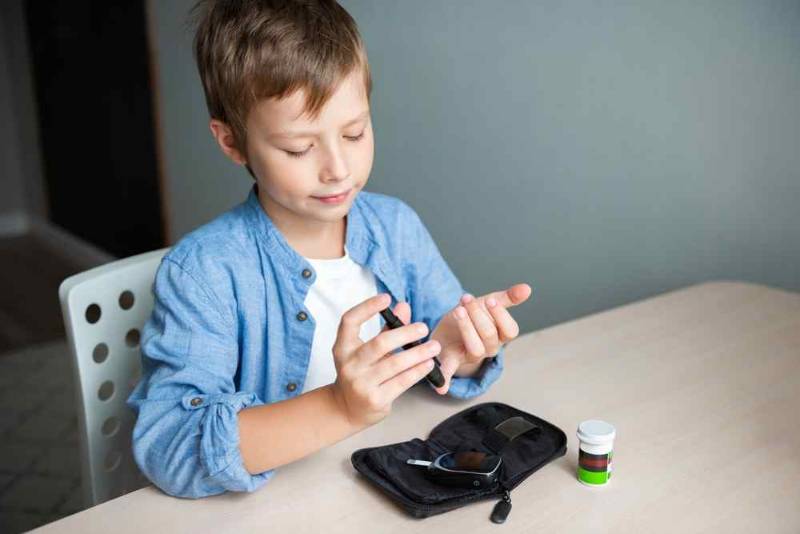
Discovering diabetes symptoms in children is a pivotal moment that requires parents to stay calm and informed to understand the nature of this health challenge. The story often begins with noticing subtle changes in a child’s daily activity, such as increased water intake or persistent fatigue—signs that call for prompt attention. In this guide, we explain how to accurately recognize these symptoms and outline medical and home management approaches to ensure a safe life for your child.
Diabetes in Children
Diabetes occurs in children when the body is unable to use the sugar in the blood to produce energy.
Most children are affected by type 1 diabetes, in which the pancreas completely stops producing insulin.
With the rise in obesity, type 2 diabetes has also begun to appear among some adolescents, making it essential to understand the disease and how to manage it to protect children’s health.
What Is the Normal Blood Sugar Level in Children?
Normal blood sugar levels vary by age group and fluctuate throughout the day.
The table below shows normal blood sugar ranges in children:
Children under 6 years
- Before meals: 100–180 mg/dL
- 1–2 hours after meals: up to 180 mg/dL
- At bedtime: 110–200 mg/dL
Children aged 6–12 years
- Before meals: 90–180 mg/dL
- 1–2 hours after meals: up to 140 mg/dL
- At bedtime: 100–180 mg/dL
What Are the Symptoms of Diabetes in Children?
Symptoms of type 1 diabetes in children gradually worsen due to the immune system’s progressive damage to insulin-producing cells.
Symptoms often appear after the age of 5 and include:
- Severe hunger or thirst
- Fatigue and exhaustion
- Unexplained weight loss
- Blurred vision
- Frequent urination and bedwetting
- Slow wound healing
- Vaginal yeast infections in girls
A doctor should be consulted when diabetes symptoms appear, as early diagnosis and treatment help prevent symptom progression and complications.
What Causes Diabetes Symptoms in Children?
In type 1 diabetes, the immune system attacks and destroys insulin-producing pancreatic cells for no clear reason, unrelated to the child’s diet, leading to diabetes symptoms.
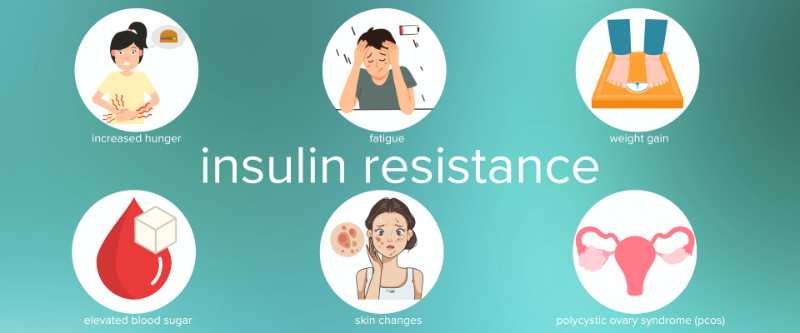
Type 2 diabetes results from poor cellular response to insulin (Insulin Resistance), with symptoms often appearing in children who are overweight or physically inactive. Genetic factors and a sedentary lifestyle play a major role in increasing the risk at an early age.
How Are Diabetes Symptoms in Children Diagnosed?
Symptoms help guide the initial diagnosis. To confirm it, doctors may recommend:
- Random blood sugar test: A sample taken at any time; a result above 200 mg/dL with symptoms confirms diabetes.
- Fasting blood sugar test: After 8 hours of fasting; a result of 126 mg/dL or higher indicates diabetes.
- HbA1c test: Measures average blood sugar levels over the past three months.
Does Diabetes in Children Go Away?
There is currently no definitive cure for type 1 diabetes; it is a chronic condition requiring ongoing care.
However, in some cases of weight-related type 2 diabetes, symptoms may improve or go into remission with lifestyle changes and achieving a healthy weight. Ongoing medical follow-up remains essential.
Treatment of Diabetes in Children
Treatment is based on three pillars: medication, nutrition, and physical activity. The goal is to keep blood glucose levels stable and prevent acute episodes. Families are trained to monitor blood sugar at home, calculate carbohydrate intake, and balance it with medication doses, along with regular follow-ups with a specialist.
Insulin
Insulin is the essential and only treatment for children with type 1 diabetes. It is administered through daily subcutaneous injections or via an insulin pump that delivers precise, continuous doses.
Insulin types include rapid-acting for meals and long-acting to meet the body’s baseline needs throughout the day, helping maintain stability.
Factors affecting insulin dosing include:
- Blood sugar level
- Type and duration of physical activity
- Type and dose of diabetes treatment
- Timing of the dose
- Other factors such as stress, fatigue, or different foods
Types of insulin:
- Short-acting: Starts working within 30 minutes, peaks at 90–120 minutes, lasts 4–6 hours.
- Intermediate-acting: Starts in 1–3 hours, peaks at 6–8 hours, lasts 12–24 hours.
- Long-acting/extended: Lasts 14–40 hours.
- Rapid-acting: Taken 15–20 minutes before meals, starts in 15 minutes, peaks at 60 minutes, lasts about 4 hours.
Home Management of Diabetes
Families play a key role by providing balanced meals rich in fiber and protein while limiting simple sugars. Children should learn to recognize signs of low blood sugar and respond immediately by consuming juice or sugar. Encouraging physical activity and offering psychological support help children adapt and live confidently with the condition.
Complications of Diabetes in Children
Neglecting treatment and poor blood sugar control can lead to complications such as:
- Foot infections, severe ulcers, and possible gangrene
- Kidney or heart disease
- High blood pressure
- Eye diseases (cataracts, glaucoma, diabetic retinopathy)
- Dry or infected skin
- Stroke
- Osteoporosis
Conclusion
Treating diabetes symptoms in children early is crucial to prevent complications. Balancing meals, physical activity, and insulin is essential, as increased activity reduces insulin requirements. Consult a doctor about optimal dosing, especially if the child eats less.
If you still need medical advice regarding this condition, you can easily book an appointment through Vezeeta.
Related Keywords


Specialized Doctors

Maha Assem
Professor of Internal Medicine , Endocrinology and Diabetology

Amal Nada
Professor And Senior Consultant For Diabetes And Endocrinology At The Faculty Of Medicine/Fellow of the Royal College of Physicians in Ednera - holds a British certificate in Endocrinology and Diabetes

Abdelrahman Elbata
Senior Consultant in Internal Medicine, Endocrinology and Diabetes
References
- https://www.mayoclinic.org/diseases-conditions/type-1-diabetes-in-children/symptoms-causes/syc-20355306
- https://www.who.int/news-room/fact-sheets/detail/diabetes
- https://www.google.com/search?q=https://my.clevelandclinic.org/health/articles/11444-glucose-blood-sugar-test
- https://www.google.com/search?q=https://www.webmd.com/diabetes/guide/normal-blood-sugar-levels-chart-adults-children
- https://www.google.com/search?q=https://www.healthline.com/health/diabetes/diabetes-in-children
- https://www.medicalnewstoday.com/articles/317458
Specialized Doctors
Maha Assem
Professor of Internal Medicine , Endocrinology and Diabetology
Amal Nada
Professor And Senior Consultant For Diabetes And Endocrinology At The Faculty Of Medicine/Fellow of the Royal College of Physicians in Ednera - holds a British certificate in Endocrinology and Diabetes
Abdelrahman Elbata
Senior Consultant in Internal Medicine, Endocrinology and Diabetes