Tourette Syndrome: Symptoms, Causes, and Is There a Treatment?

What Is Tourette Syndrome?
Tourette syndrome is a neurodevelopmental disorder that usually appears during childhood. It is characterized by repeated involuntary movements or sounds known as tics.
A person may blink repeatedly, shake their head or shoulders, or make sounds such as throat-clearing or snoring without intending to do so.
Tics vary from one person to another. They may be mild and have little effect on daily life, or they may be more complex and frequent, making them difficult to control.
Tics are not deliberate behaviors or a way to attract attention. A person may be able to postpone or suppress them for a short time, but this may be accompanied by an increasing urge to perform them.
What Are the Symptoms of Tourette Syndrome?
Tourette syndrome symptoms appear as two main types of tics: motor and vocal. They may be simple or complex. Motor tics often begin before vocal tics.
Simple motor tics
These involve short, rapid movements that occur repeatedly, such as:
- Repeated blinking.
- Moving the nose or scrunching the face.
- Sudden head shaking.
- Raising or moving the shoulders.
- Opening the mouth or moving the lips involuntarily.
Complex motor tics
These involve more complicated movements that may appear intentional, such as:
- Repeatedly touching objects or people.
- Suddenly jumping or spinning.
- Repeating certain movements in a specific order.
- Involuntarily imitating other people’s movements.
Simple vocal tics
These appear as sudden, repeated sounds, such as:
- Constant throat-clearing.
- Coughing or snoring without an obvious cause.
- Making sounds such as whistling or humming.
- Repeated sniffing or making sounds from the throat.
Complex vocal tics
These may include repeating words or phrases, such as:
- Repeating words spoken by other people.
- Repeating certain words or phrases involuntarily.
- Repeating words or sounds that are unrelated to the situation.
Tics may increase with stress, anxiety, tiredness, or excitement. They may decrease while focusing on a particular activity or doing activities that require attention.
Does Tourette Syndrome Affect Intelligence?
Tourette syndrome does not affect a person’s intelligence. Most people with the condition can learn, work, and live normally.
However, some people may have difficulty concentrating or learning if they also have conditions such as attention-deficit/hyperactivity disorder or obsessive-compulsive disorder.
What Causes Tourette Syndrome?
There is no single known cause of Tourette syndrome. Research suggests that it is associated with a combination of genetic and biological factors that affect brain development and movement regulation.
Factors that may contribute include:
Genetic factors
Genes play an important role in increasing the likelihood of developing Tourette syndrome. The condition may affect more than one person in the same family. A family history may also include other tic disorders or obsessive-compulsive disorder.
However, having a family history does not necessarily mean that all children will develop the syndrome.
Differences in the activity of certain brain regions
Research suggests that Tourette syndrome is associated with differences in the activity of certain neural circuits involved in controlling movement and behavior, especially circuits connecting brain regions with the basal ganglia.
Neurotransmitters
Tics may be associated with differences in how certain neurotransmitters work, particularly dopamine, which is involved in regulating movement and behavior, along with other neurotransmitters.
Factors related to pregnancy and birth
Research is examining whether certain factors during pregnancy and birth may increase the risk of tic disorders, such as low birth weight and some pregnancy-related complications. However, these are not confirmed or direct causes of Tourette syndrome.
Is Tourette Syndrome a Mental Illness?
No. Tourette syndrome is not a mental illness. It is a neurodevelopmental disorder that affects control over movements and sounds. It does not mean that a person has an intellectual disability or reduced intelligence.
Some people with Tourette syndrome may also have conditions such as:
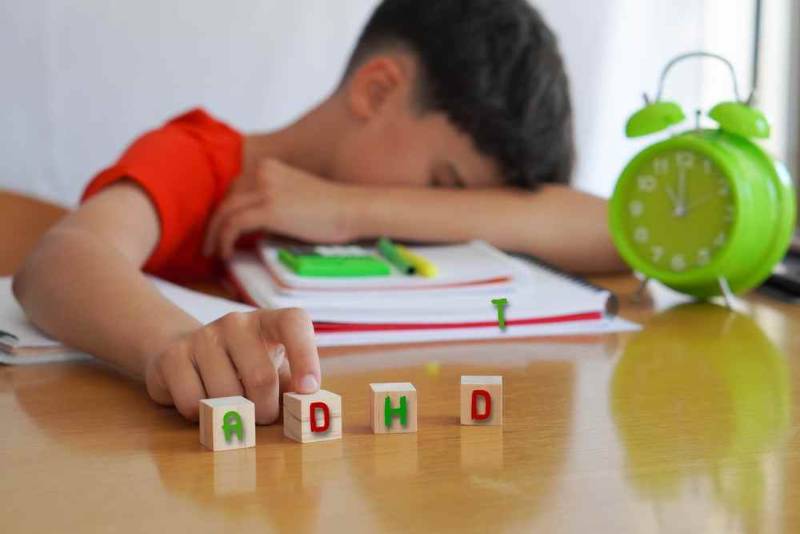
- Attention-deficit/hyperactivity disorder (ADHD).
- Obsessive-compulsive disorder (OCD).
- Learning or concentration difficulties.
- Anxiety or psychological difficulties related to coping with the symptoms.
These associated conditions may affect education, social relationships, and daily life. Therefore, the person may need a comprehensive assessment to identify their treatment needs.
Does Tourette Syndrome Disappear, and Can It Be Cured?
Tourette syndrome varies from one person to another. Symptoms may improve significantly with age, especially after adolescence.
Tics often begin between the ages of 5 and 10. They may gradually increase until reaching their peak during late childhood or early adolescence. After that, they improve in many people during young adulthood.
This does not mean that all cases disappear completely. Tics may continue into adulthood for some people, although they may become less frequent or less severe.
Although there is no treatment that guarantees a complete cure for Tourette syndrome, available behavioral therapies and medications can help control symptoms and reduce their effect on the person’s life.
What Are the Treatments for Tourette Syndrome?
Not everyone with Tourette syndrome needs medication. If tics are mild and do not affect school, work, or social relationships, a doctor may simply monitor the condition and provide education and support.
If symptoms are severe or cause pain or difficulties in daily life, a doctor may recommend one of the following options:
Behavioral Therapy for Tourette Syndrome
Behavioral therapy is an important option for managing tics. Common approaches include:
- Habit Reversal Training: This helps the person recognize the sensation that comes before a tic and then practice an alternative response that reduces the likelihood of the tic occurring.
- Comprehensive Behavioral Intervention for Tics (CBIT): This treatment program helps the person understand factors that increase tics and learn behavioral skills to control them and reduce their effects.
Medication for Tourette Syndrome
A doctor may prescribe medication when tics clearly affect the person’s life. Options may include:
- Some medications that help regulate dopamine activity and reduce tics.
- Medications such as clonidine or guanfacine, especially when the person also has attention-deficit/hyperactivity disorder.
- Other medications selected by the doctor according to symptom severity and the person’s health condition.
No single medication is suitable for everyone. These medications may also cause side effects, so they must be used under medical supervision.
Psychological and Family Support
The person needs a supportive environment that helps them cope with symptoms without blame or embarrassment, especially during childhood and school years.
Important forms of support include:
- Educating family members and teachers about the nature of tics and explaining that they are not deliberate behaviors.
- Avoiding scolding the child or repeatedly asking them to stop the movements and sounds.
- Helping the child cope with stress and anxiety.
- Providing educational and social support when needed.
To sum up, the involuntary movements and sounds associated with Tourette syndrome may seem unusual, but they do not mean that the person has lost control of their life or mental abilities. With accurate diagnosis, supportive treatment from family and others, and appropriate care when needed, many people can reduce the effect of tics and live normally. If you notice repeated involuntary movements or sounds in your child, it is best to consult a neurologist to assess the symptoms and determine their nature and an appropriate management plan.
If you still need a doctor’s consultation regarding this condition, you can easily book an appointment through Vezeeta.
Related Keywords


Specialized Doctors

Ahmed Essam Mahdy
Consultant and Assistant Lecturer of Neurology, Faculty of Medicine, Misr University for Science and Technology.

Moataz Abdel Wahab
Consultant Neurosurgeon and Spine Surgeon at Nasser Institute Hospitals

Ayman Elazony
Professor of neurology .
References
https://www.cdc.gov/tourette-syndrome/about/
https://www.cdc.gov/tourette-syndrome/diagnosis/index.html
https://www.cdc.gov/tourette-syndrome/treatment/index.html
https://www.ninds.nih.gov/publications/tourette-syndrome
https://www.nhs.uk/conditions/tourette-syndrome/
https://www.medlineplus.gov/tourettesyndrome.html
https://www.cdc.gov/tourette-syndrome/other-concerns/
Specialized Doctors
Ahmed Essam Mahdy
Consultant and Assistant Lecturer of Neurology, Faculty of Medicine, Misr University for Science and Technology.
Moataz Abdel Wahab
Consultant Neurosurgeon and Spine Surgeon at Nasser Institute Hospitals
Ayman Elazony
Professor of neurology .