Attention Deficit Hyperactivity Disorder
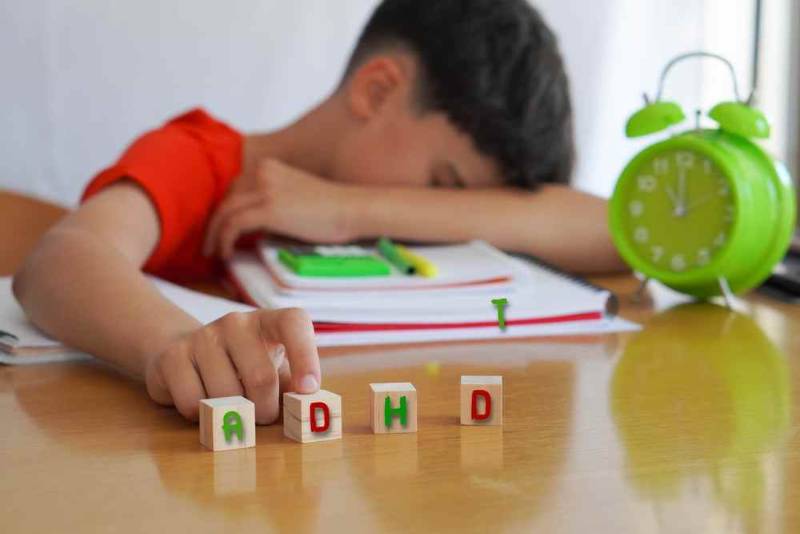
Recently, the prevalence of ADHD has increased, with global estimates indicating that around 7.2% of children are affected. The disorder significantly impacts a child’s attention and focus and may contribute to poor academic performance.
In this article, we’ll explore the causes, symptoms, and treatment of ADHD in both children and adults. You'll also learn how to tell if your child has ADHD and how to manage the condition effectively.
What Is ADHD?
Attention Deficit Hyperactivity Disorder (ADHD) is a chronic neurological disorder whose symptoms evolve with growth. It often begins in childhood and can persist into adulthood, noticeably affecting a child’s focus and making them more active and impulsive than their peers.
Researchers have found that children with ADHD have differences in brain structure, neurological function, and neurotransmitter activity compared to healthy children. While the condition is manageable and treatable, neglecting it can lead to serious consequences.
What are Symptoms of ADHD?
All children experience moments of hyperactivity or inattentiveness during childhood. However, ADHD symptoms are excessive, persistent, and consistent across different situations.
In Children
ADHD symptoms typically become apparent once the child starts school. These include:
- Hyperactivity: The child cannot stay still in one place or position, quickly becomes bored, and reacts impulsively, which may disturb others and lead to frequent mistakes.
- Inattention and Distractibility: The child struggles to complete tasks, gets easily distracted, appears forgetful, and often seems mentally absent.
- Impulsivity: Acts without thinking, says or does things without considering consequences, and tends to react emotionally.
In Adults
Symptoms may worsen if left untreated and include:
- Frequent frustration
- Anxiety and tension
- Low self-esteem
- Chronic forgetfulness
- Tardiness
- Work-related difficulties
- Mood swings and emotional sensitivity
- Quick boredom
- Impulsiveness
- Poor anger control
- Lack of focus while reading or working
- Difficulty forming relationships
- Risk of substance abuse
What areTypes of ADHD in Children?
ADHD is categorized into different types:
- Inattentive Type:
- The child appears not to listen, avoids tasks requiring attention, and struggles with concentration. Hyperactivity may be minimal.
- Hyperactive-Impulsive Type:
- The child is overly energetic, talks excessively, climbs or moves excessively, and reacts without thinking. Inattention is less pronounced.
- Combined Type:
- The child displays both inattention and hyperactivity/impulsivity, which accounts for approximately 70% of cases.
What are Causes of ADHD?
ADHD is linked to differences in brain development, particularly in the frontal lobe, which controls attention, planning, and decision-making. The brain of individuals with ADHD may mature later than that of their peers.
Contributing factors may include:
- Genetics
- Reduced activity in brain areas linked to focus and decision-making
- Neurochemical imbalances
Potential triggers include:
- Premature birth
- Low birth weight
- Exposure to toxins (e.g., lead)
- Poor maternal nutrition or smoking during pregnancy
- Alcohol or drug use during pregnancy
- Head injuries
- Excessive intake of artificial additives or preservatives
Note: ADHD is not caused by screen time, sugar intake, family stress, or allergies.
How is ADHD Diagnosed ?
Diagnosing ADHD, especially in children, can be complex. There is no single test. Instead, diagnosis relies on a comprehensive evaluation of the child’s behavior, history, and functioning:
- Reviewing medical and social history of child and parents
- Physical and neurological examination (vision, hearing, speech, motor skills)
- Assessing the child's intelligence, social skills, and personality traits (with input from parents and teachers)
- Brainwave testing (NEBA System) to analyze brain function
According to the DSM-5-TR, a diagnosis is confirmed if:
- Six or more symptoms are present
- Symptoms started before age 12
- Symptoms impair the person’s ability to perform daily tasks
- Symptoms appear in more than one setting (e.g., home and school)
- Symptoms last for more than 6 months
How Do I Know If My Child Has ADHD?
Parents should consider consulting a doctor if the child:
- Doesn’t respond to instructions despite normal hearing
- Can’t sit still for extended periods
- Talks excessively and constantly moves
- Climbs on furniture or jumps inappropriately
- Has delayed school performance or takes too long to finish homework
What is the ADHD Treatment?
Treatment aims to reduce symptoms and improve functioning, using a combination of behavioral therapy and medications, with involvement from parents and educators.
Medications
Medications help control the disruptive symptoms that affect the child's behavior and relationships.
- Age Guidelines: Typically prescribed for children 6 years and older. For younger children, behavioral interventions are preferred first.
- Trial and Adjustment: It may take trying different medications or doses to find the most effective with the fewest side effects.
Types of Medications:
- Stimulants: Improve brain chemicals (dopamine and norepinephrine). Examples include dextroamphetamine and methylphenidate.
- Non-stimulants: Used if stimulants are ineffective or not tolerated (e.g., atomoxetine).
- Antidepressants: May help reduce anxiety or mood symptoms.
- Omega-3 supplements: May also help alleviate ADHD symptoms.
Psychotherapy
- Behavioral and cognitive therapy: Aims to improve self-control, emotional regulation, and reduce disruptive behavior.
- Group therapy/support groups: May be helpful.
- Parental training: Helps parents manage and support their child effectively.
How to deal with ADHD child ?
Here are some tips for managing a child with ADHD:
- Use clear and concise instructions
- Reward good behavior and academic progress
- Spend quality time engaging in enjoyable activities
- Create a structured daily routine for study, play, meals, and sleep
- Provide nutritious meals rich in vitamins and minerals
- Encourage physical activity
- Avoid excessive punishment or criticism
Will ADHD Go Away?
Many parents wonder if ADHD can be cured. While it can’t be completely cured, symptoms can be effectively managed through adherence to treatment plans, allowing individuals to live normal, productive lives.
What are Complications of Untreated ADHD?
Despite the availability of treatment centers, some still downplay ADHD. Ignoring it can lead to:
- Sleep disorders
- Eating disorders
- Low self-esteem
- Substance abuse
- Depression
- Increased risk of accidents
- Job instability
- Relationship difficulties
- Poor academic achievement
Conclusion
ADHD requires serious attention from parents to help the child manage symptoms and lead a normal life. From excessive movement to poor concentration, the symptoms can lead to various challenges. Early diagnosis and appropriate treatment are essential for better outcomes.
If you still need to consult a doctor regarding this condition, you can easily book an appointment through Vezeeta
Related Keywords



References
Mayo Clinic – ADHD
https://www.mayoclinic.org/diseases-conditions/adhd
Centers for Disease Control and Prevention (CDC) – ADHD
https://www.cdc.gov/ncbddd/adhd
National Institute of Mental Health (NIMH) – Attention-Deficit/Hyperactivity Disorder
https://www.nimh.nih.gov/health/topics/attention-deficit-hyperactivity-disorder-adhd
CHADD – Children and Adults with Attention-Deficit/Hyperactivity Disorder
https://chadd.org
American Academy of Pediatrics (AAP) – ADHD Clinical Guidelines
https://www.aap.org/en/patient-care/adhd/