Sudden toe pain? Learn gout symptoms and treatment
What is gout?
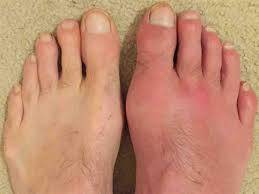
Gout Gout is known as a complex and common form of inflammatory arthritis. It is a medical condition caused by an imbalance in the body’s ability to properly eliminate chemical waste products. This disease is characterized by sudden and severe attacks of pain, swelling, and redness in the joints. It often affects a single joint at a time, but may spread to other joints if not properly managed over the long term.
Symptoms of gout and how a pain attack begins
A gout attack usually starts very suddenly, often at night or in the early morning hours. The patient experiences severe, throbbing pain in the affected joint, with the big toe being the most commonly affected joint in most clinical cases.
Gout symptoms progress quickly and include:
- Severe joint pain: Pain peaks within the first 12 to 24 hours of the attack.
- Inflammation and redness: The affected joint becomes swollen, warm, and noticeably red.
- Limited movement: As inflammation progresses, moving or putting pressure on the joint becomes very difficult.
- Lingering discomfort: After the intense pain subsides, mild discomfort and joint tenderness may continue for days or weeks.
What is the main test for diagnosing gout?
Diagnosis is confirmed by extracting a sample of joint fluid and examining it under a microscope to detect urate crystals, in addition to a blood test to measure uric acid levels.
What causes high uric acid levels?
Gout occurs due to the accumulation of urate crystals in the joint, which is directly caused by high levels of uric acid in the blood. The body naturally produces uric acid when breaking down purine compounds found in body cells and certain foods.
Normally, uric acid dissolves in the blood and is eliminated through the kidneys in urine. However, levels may rise for two main reasons:
- The liver may produce excessive amounts of uric acid beyond the body’s capacity.
- More commonly, the kidneys fail to eliminate normal amounts of uric acid efficiently.
When this imbalance occurs, sharp, needle-like crystals form inside the joints, leading to severe inflammation and pain.
Which doctor treats gout?
Because gout symptoms can resemble other conditions, diagnosis and treatment should be managed by a rheumatologist, a specialist in arthritis and inflammatory joint diseases.
How is gout treated?
Medical treatment of gout is divided into two main approaches:
- Acute treatment: Relieving pain and inflammation during an attack.
- Long-term treatment: Lowering uric acid levels to prevent future attacks.
Doctors use non-steroidal anti-inflammatory drugs (NSAIDs) or corticosteroids to quickly control pain and swelling.
For long-term management, medications such as allopurinol are prescribed to reduce uric acid production, or drugs that help the kidneys excrete it more efficiently. Adequate daily water intake is also recommended to support kidney function.
Foods to avoid for gout patients
Diet plays a major role in controlling uric acid levels. Foods rich in purines may trigger attacks, so they should be avoided, including:
- Red and organ meats (lamb, beef, liver, kidneys)
- Certain seafood (sardines, tuna, shrimp, mussels)
- Sugary beverages, especially those high in fructose or corn syrup
- Processed and fast foods
Does drinking water help reduce uric acid?
Yes. Drinking enough water (about 8–12 cups daily) helps the kidneys dilute and eliminate uric acid more efficiently through urine.
Can gout be completely cured?
There is no permanent cure, but symptoms can be fully controlled and attacks can be prevented through medication and a healthy lifestyle.
Prevention of gout
Preventive measures include:
- Avoid smoking
- Limit purine-rich foods
- Maintain a healthy weight
- Drink enough water daily
- Avoid soft drinks and alcohol
- Eat a healthy diet rich in fruits, vegetables, and healthy fats
- Exercise regularly
In conclusion, gout symptoms can be extremely painful, but controlling them and preventing recurrence is possible through proper medication and a healthy diet that reduces uric acid levels, the main cause of pain and complications. If you still need medical advice, you can easily book an appointment through Vezeeta.
Related Keywords
Specialized Doctors

Bassem Ibrahim
Specialist in rheumatic diseases and immunology

reham magdy shaat
Consultant of Rheumatology, Rehabilitation and Treatment of Obesity, Lecturer in the Faculty of Medicine, Mansoura.

Abdulmaguid Elashmawy
Professor and aconsultant Rheumatology Alazhar University
References
https://my.clevelandclinic.org/health/diseases/4755-gout
https://www.ncbi.nlm.nih.gov/books/NBK546606/
https://www.nhs.uk/conditions/gout/
https://emedicine.medscape.com/article/329958-overview
https://www.cdc.gov/arthritis/gout/index.html
https://www.health.harvard.edu/diet-and-nutrition/what-is-the-gout-diet
Specialized Doctors
Bassem Ibrahim
Specialist in rheumatic diseases and immunology
reham magdy shaat
Consultant of Rheumatology, Rehabilitation and Treatment of Obesity, Lecturer in the Faculty of Medicine, Mansoura.
Abdulmaguid Elashmawy
Professor and aconsultant Rheumatology Alazhar University