

Rheumatoid Arthritis: When Your Immune System Turns Against You
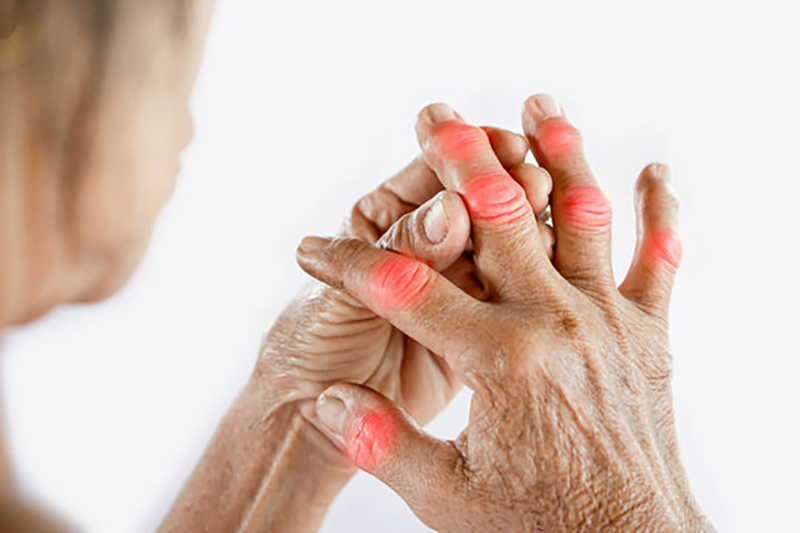
Rheumatoid arthritis (RA) is one of the most challenging health conditions worldwide. This autoimmune disease causes the immune system to attack the joints, leading to severe pain and permanent deformities in some cases.
Let’s explore the underlying mechanisms of RA, its symptoms, and the most effective ways to manage and treat it.
What is Rheumatoid Arthritis?
Rheumatoid arthritis is a chronic autoimmune disease that primarily affects the joints. The immune system mistakenly attacks the joint lining, causing inflammation and pain. It usually affects the same joints on both sides of the body—an identifying feature that distinguishes it from other types of arthritis.
If left untreated, the inflammation may worsen and spread to other body parts, including the lungs, skin, heart, and eyes.
What is the difference of Rheumatoid Arthritis vs. Rheumatism?
The term "rheumatism" is not a medical diagnosis—it’s a general expression used by people to describe joint pain or problems. "Rheumatoid arthritis" is the accurate medical term used by healthcare professionals to describe this autoimmune joint disease.
What are Symptoms of Rheumatoid Arthritis?
RA affects women 2–3 times more than men, though it may be more severe in men. It typically appears in middle age, but it can affect children and the elderly too.
Symptoms may develop gradually over years or appear suddenly. Common symptoms include:
- Fatigue
- Pain in multiple joints
- Joint swelling and redness
- Morning stiffness or stiffness after prolonged sitting
- Loss of appetite
- General weakness
- Symmetrical joint pain (same joint on both sides of the body)
- Joint dysfunction
- Joint and limb deformity
- Low-grade fever
- Numbness or tingling in the hands
- Limited mobility
- Skin nodules near the affected joints
How to Know If You Have Rheumatoid Arthritis?
One of the hallmark signs is pain in the same joint on both sides of the body, along with:
- Localized muscle weakness
- Persistent fatigue
- Tenderness in specific joints
Advanced symptoms, such as joint deformities, may indicate disease progression.
What are Causes of Rheumatoid Arthritis?
The exact cause of RA remains unknown, but researchers suspect a combination of genetic, environmental, and hormonal factors.
RA occurs when the immune system mistakenly attacks healthy joint tissues. This immune response releases antibodies and inflammatory chemicals, which damage cartilage, bones, and ligaments. Without treatment, it can lead to permanent joint deformities.
Risk factors include:
- Age: Women often develop RA in childhood or midlife; in men, it tends to occur after age 50.
- Gender: Women are more frequently affected.
- Genetics: Certain genes and a family history of RA increase risk.
- Diet: Excessive intake of red meat, sugary foods, sodium, or iron-rich foods.
- Infertility: Higher RA risk among women who have never given birth.
- Smoking
- Obesity
Rheumatoid Arthritis and Pregnancy
Many women fear pregnancy with RA due to concerns about pain, medication effects, or passing the disease to the child. However, with proper planning, pregnancy and childbirth are entirely possible.
Key recommendations for women planning pregnancy:
- Control the disease 3–6 months before conception to avoid complications such as premature birth or low birth weight.
- Discuss safe medications for before, during, and after pregnancy.
- Ensure emotional and practical support, especially postpartum.
- Focus on proper nutrition.
Good news: Over 60% of women experience improvement in RA symptoms during pregnancy, likely due to hormonal and immune system changes.
Delivery: Natural childbirth is possible unless the pelvic joints are severely deformed, in which case a cesarean section may be necessary.
Postpartum: RA symptoms may flare after delivery. Medication adjustments are important to avoid harm to the baby, especially during breastfeeding.
Rheumatoid Arthritis in Children (Juvenile Idiopathic Arthritis)
Juvenile RA differs from adult RA. While RA in adults is typically lifelong, children often recover, though bone development may be affected.
Types of juvenile RA include:
- Systemic Juvenile RA: Rare (~10% of cases); affects one or more joints and may cause fever, rash, and affect organs like the liver, spleen, heart, or lymph nodes.
- Polyarticular Juvenile RA: Affects five or more joints in the first six months.
- Oligoarticular Juvenile RA: Affects 1–4 joints in the first six months.
- Psoriatic Arthritis: Accompanied by psoriasis or symptoms like:
- Nail pitting or ridges
- Swollen fingers/toes
- Family history of psoriasis
- Enthesitis-related Arthritis: Involves inflammation where tendons/ligaments meet bone, often in the knees, pelvis, or feet.
- Undifferentiated Arthritis: Does not clearly match other categories.
How is Rheumatoid Arthritis Diagnosed?
RA can cause joint damage within the first two years of onset. Early diagnosis and treatment are critical.
Diagnosis involves:
- Reviewing symptoms and medical history
- Physical examination for:
- Joint redness or swelling
- Joint movement and function
- Skin nodules
- Muscle strength
Diagnostic tests include:
- Imaging: Ultrasound, X-ray, MRI to assess joint condition
- Blood tests:
- Rheumatoid factor (RF)
- Erythrocyte sedimentation rate (ESR)
- C-reactive protein (CRP)
Is There a Cure for Rheumatoid Arthritis?
Currently, there is no complete cure—especially for adults. However, treatments can significantly reduce symptoms, slow progression, and prevent joint damage.
Children under 16 may fully recover in many cases, though growth may be affected.
Treatment Options for Rheumatoid Arthritis
Treatment may involve:
- Medications
- Physical therapy
- Surgery
- Lifestyle changes
The treatment plan depends on the symptoms and disease stage.
What are Medications for Rheumatoid Arthritis?
Different medications are used depending on the case. Some patients require a combination for optimal results:
- Nonsteroidal Anti-Inflammatory Drugs (NSAIDs): e.g., aspirin, ibuprofen — relieve pain and inflammation
- Steroids (Corticosteroids): Reduce pain and swelling
- DMARDs (Disease-Modifying Anti-Rheumatic Drugs): Slow disease progression by modifying immune response
- Biologics: Target specific immune system components — used when DMARDs are ineffective
Can Rheumatoid Arthritis Be Prevented?
Since RA is immune-related, it can’t be fully prevented. However, certain habits can reduce symptom severity and slow progression:
- Rest to prevent flare-ups
- Exercise to strengthen joints and muscles and prevent stiffness
- Anti-inflammatory diet: Avoid processed carbs, unhealthy fats, and excess salt
In Conclusion
Despite ongoing medical advancements, rheumatoid arthritis remains a complex condition. While no definitive cure exists, early diagnosis and intervention offer the best chance at controlling symptoms and preventing severe complications.
If you still need to consult a doctor regarding this condition, you can easily book an appointment through Vezeeta
Related Keywords
Specialized Doctors

passent abdelatif
Clinic specialized in nutrition and physiotherapy

Ahmed Mabrouk
Consultant of Rheumatology

Abeer Hosny
Specialist in Rheumatism and Rehabilitation Health Insurance - Master in rheumatism and rehabilitation from kasr El Ainy
References
Mayo Clinic – Rheumatoid Arthritis (Symptoms & Causes) – Overview of how RA affects joints and why it develops. Mayo Clinic
https://www.mayoclinic.org/diseases-conditions/rheumatoid-arthritis/symptoms-causes/syc-20353648
Mayo Clinic – Rheumatoid Arthritis (Diagnosis & Treatment) – Information about diagnosis and treatment options for RA. Mayo Clinic
https://www.mayoclinic.org/diseases-conditions/rheumatoid-arthritis/diagnosis-treatment/drc-20353653
World Health Organization (WHO) – Rheumatoid Arthritis Fact Sheet – Global overview of RA, symptoms, causes, and management. World Health Organization
https://www.who.int/news-room/fact-sheets/detail/Rheumatoid-arthritis
CDC – Arthritis Basics – General information about arthritis and its impact.
https://www.cdc.gov/arthritis/basics/index.htm
Arthritis Foundation – Rheumatoid Arthritis Guide – Patient‑friendly resource on symptoms and living with RA.
https://www.arthritis.org/diseases/rheumatoid-arthritis
Specialized Doctors
passent abdelatif
Clinic specialized in nutrition and physiotherapy
Ahmed Mabrouk
Consultant of Rheumatology
Abeer Hosny
Specialist in Rheumatism and Rehabilitation Health Insurance - Master in rheumatism and rehabilitation from kasr El Ainy


