

Schistosomiasis: How It Spreads, Its Symptoms, and Is It Still Common in Egypt?
What Is Schistosomiasis, and How Does It Enter the Human Body?
Schistosomiasis is a parasitic infection caused by Schistosoma worms. It spreads when the skin comes into contact with contaminated fresh water containing parasite larvae. The infection cycle begins when parasite eggs reach the water through the urine or stool of an infected person. The eggs then infect freshwater snails, which later release the larvae into the water.
When these larvae come into contact with the skin, they can penetrate it and enter the bloodstream. Adult worms then settle in the blood vessels around the intestines or bladder, where they lay eggs that may cause inflammation and complications if the infection continues.
Schistosomiasis is not spread by shaking hands or sharing food and drinks. Drinking water is not the usual route of infection. The main route is skin contact with contaminated fresh water.
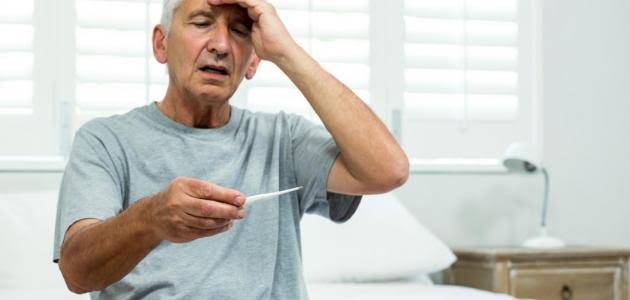
What Are the Symptoms of Schistosomiasis, and How Can You Detect the Infection?
Schistosomiasis may cause no clear symptoms, especially at the beginning. Visible signs alone cannot be used to rule out the disease. Symptoms vary according to the parasite species, the stage of infection, and the organs affected by the eggs.
Early Symptoms of Schistosomiasis
After contact with contaminated water, some signs may appear within hours or days, including:
- Itching or a skin rash at the point where the larvae entered.
- Redness and skin irritation.
- Discomfort in the area exposed to the water.
In some cases, no skin symptoms are noticed at all.
Several weeks after infection, symptoms of the acute stage may appear. They may include:
- Fever and chills.
- Headache and general fatigue.
- Muscle and joint pain.
- Cough.
- Abdominal pain or diarrhea.
- Enlargement of the liver or spleen in some cases.
These symptoms usually appear between 2 and 12 weeks after exposure, but they do not occur in everyone who becomes infected.
Chronic Symptoms of Schistosomiasis
If the infection continues without proper diagnosis and treatment, trapped eggs in the body’s tissues may cause chronic inflammation and complications. Symptoms vary according to the affected organ:
Intestinal and Hepatic Schistosomiasis Symptoms:
- Recurrent abdominal pain.
- Diarrhea, which may contain blood.
- Enlargement of the liver and spleen.
- Fluid buildup in the abdomen in advanced cases.
- High blood pressure in the blood vessels around the liver.
Urinary Schistosomiasis Symptoms:
- Blood in the urine, which may be visible or detected only through testing.
- Pain or burning during urination in some cases.
- Fibrosis of the bladder or ureter wall if the infection continues.
- Impaired kidney function in advanced cases.
Untreated chronic infection may lead to serious complications. Blood in the urine or stool, or persistent abdominal pain, should not be ignored, especially if you have previously been exposed to unsafe fresh water.
Is Schistosomiasis Still Common in Egypt?
The prevalence of schistosomiasis in Egypt has fallen substantially because of treatment campaigns and improvements in sanitation and drinking-water services. However, it has not disappeared completely from all areas. The risk of infection remains in some places where people may be exposed to contaminated fresh water, especially among farmers, fishermen, and children who play in canals and drainage channels.
If you regularly come into contact with irrigation water or live in a rural area, avoid unsafe water and pay attention to symptoms that may indicate infection.
How Is Schistosomiasis Diagnosed?
Symptoms such as abdominal pain or blood in the urine are not enough to confirm schistosomiasis because they may occur with other diseases. The doctor therefore considers the person’s history of exposure to potentially contaminated water, along with appropriate tests.
The main diagnostic methods include:
Urine or Stool Testing:
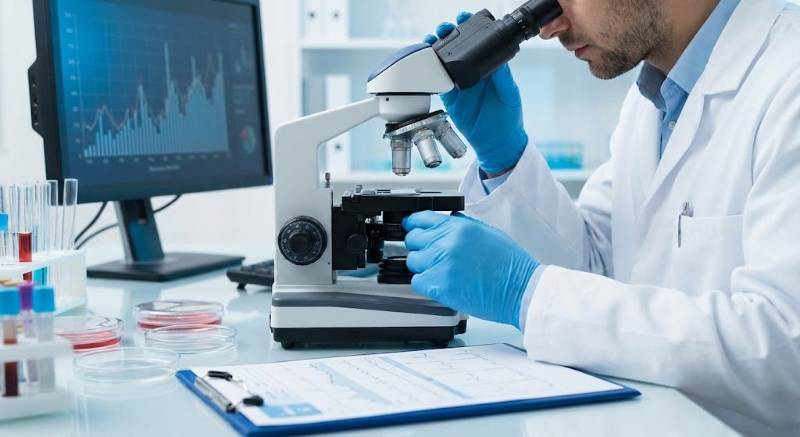
Looking for parasite eggs under a microscope is one of the main ways to diagnose the disease. The doctor chooses the type of sample according to the symptoms and the suspected type of schistosomiasis. Eggs may be detected in urine in some forms and in stool in others.
Blood Antibody Testing:
The doctor may request a blood test for schistosomiasis antibodies, especially when there is a history of possible exposure. However, this test alone does not prove that an active infection is present because antibodies may remain after previous exposure to the parasite.
Additional Tests:
The doctor may request a blood count, liver and kidney function tests, or imaging tests such as ultrasound if complications or organ involvement are suspected.
The doctor chooses the appropriate tests based on the symptoms and the timing of possible exposure because eggs may not appear in samples until some time after infection.
What Is the Name of the Schistosomiasis Test?
The basic diagnosis relies on urine or stool testing to detect parasite eggs, depending on the species causing the infection. The doctor may also request a blood antibody test or other tests, but an antibody test alone does not necessarily confirm an active infection.
How Is Schistosomiasis Treated, and Can It Be Cured?
Yes. Schistosomiasis can be treated with antiparasitic medicines. Praziquantel is the main recommended treatment for most forms of schistosomiasis that infect humans.
The medicine kills adult worms, helps stop the infection from continuing, and reduces the risk of complications, especially when the disease is diagnosed and treated early.
The timing of treatment matters. Praziquantel is more effective against adult worms, so the doctor may choose the appropriate time to give it based on the date of exposure and the test results.
In some cases, the patient may need repeat treatment or follow-up tests to confirm the response, especially if the infection is recent or eggs are still present in samples after treatment.
Do not take the medicine without medical advice or consider the disappearance of symptoms sufficient proof of recovery. The doctor decides the treatment, dose, and follow-up schedule according to the individual case.
How Can Schistosomiasis Be Prevented?
Prevention mainly depends on avoiding contact with fresh water that may contain parasite larvae, along with improved hygiene, sanitation, and control of infection sources.
You can reduce your risk by following these measures:
- Avoid swimming, bathing, or wading in unsafe canals, drainage channels, and ponds.
- Do not use untreated fresh water for activities that involve skin contact.
- Use safe water sources for drinking and bathing.
- Do not allow children to play in stagnant water or canals.
- Dispose of urine and stool safely to prevent parasite eggs from reaching water sources.
- Follow the testing and treatment recommendations issued by health authorities in areas where the disease is present.
There is currently no approved vaccine to prevent schistosomiasis. Avoiding exposure to contaminated water therefore remains one of the most important protective measures.
In the end, although schistosomiasis has declined substantially in Egypt, the possibility of infection remains in some areas, especially after contact with contaminated fresh water. Avoid unsafe water sources and do not ignore symptoms such as abdominal pain or blood in the urine or stool. Early detection helps start appropriate treatment and prevent complications, especially because schistosomiasis can be treated with specific medicines.
If you still need a doctor’s consultation regarding this condition, you can easily book an appointment through Vezeeta.
Related Keywords
Specialized Doctors

Amira Gamea
Consultant in general internal medicine, diabetes and gastroenterology at Police Authority Hospitals

Ahmed El Gammal
Consultant of Internal Medicine and Diabetology

Saeed Mohamed Aid
Consultant And Professor of internal medicine,and nephrology-Faculty Of Medicine- Zagazig University.
References
https://www.who.int/en/news-room/fact-sheets/detail/schistosomiasis
https://www.cdc.gov/schistosomiasis/hcp/clinical-overview/index.html
https://www.cdc.gov/schistosomiasis/about/index.html
https://www.cdc.gov/schistosomiasis/prevention/index.html
https://www.nhs.uk/conditions/schistosomiasis/
https://www.cdc.gov/dpdx/schistosomiasis/
Specialized Doctors
Amira Gamea
Consultant in general internal medicine, diabetes and gastroenterology at Police Authority Hospitals
Ahmed El Gammal
Consultant of Internal Medicine and Diabetology
Saeed Mohamed Aid
Consultant And Professor of internal medicine,and nephrology-Faculty Of Medicine- Zagazig University.


