Parkinson's Disease (Shaking Palsy): Causes, Symptoms, and Treatment
What is Parkinson’s Disease?
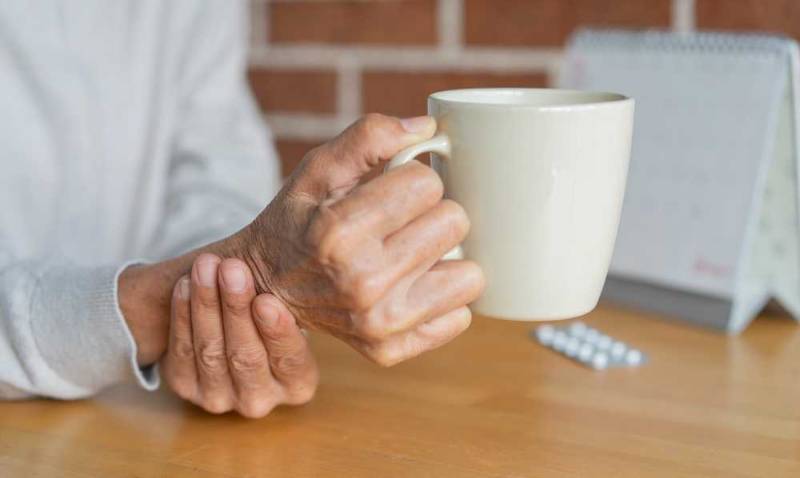
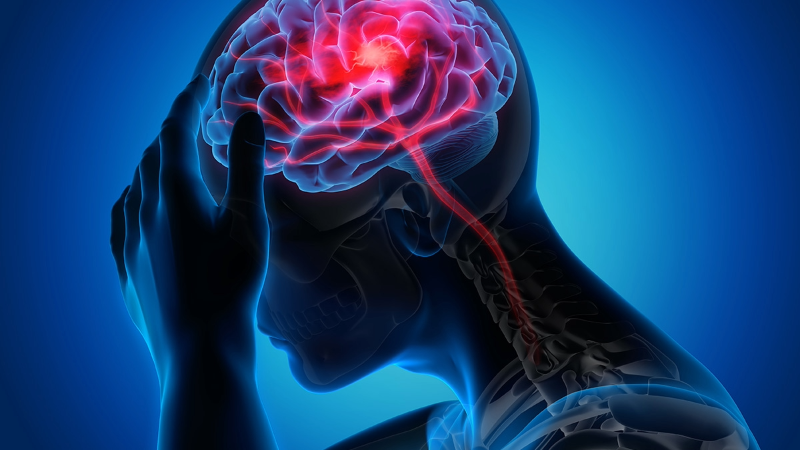
Parkinson’s disease (shaking palsy) is a degenerative condition that affects the brain, specifically the area responsible for producing dopamine, the neurotransmitter that sends signals controlling muscle movement.
When these cells die or weaken, dopamine levels drop, leading to abnormal brain activity that shows up as movement problems. The condition does not only affect movement but can also impact cognitive function and mental health.
Symptoms of Parkinson’s Disease
Parkinson’s symptoms appear gradually depending on the rate of dopamine loss and the stage of the disease, and it may take years for symptoms to fully develop.
It is often called the “disease of muscles and mood” because it affects both movement and emotional state.
Motor Symptoms
- Tremor: Usually starts at rest when the muscles are relaxed. It affects about 80% of patients, mainly in the hands and fingers, often seen as “pill-rolling tremor” when the thumb and index finger rub together.
- Slowness of movement (Bradykinesia): Caused by loss of muscle control, not weakness. Patients may struggle to get up or walk in very short steps.
- Muscle stiffness and difficulty moving: Makes it hard for patients to move muscles freely.
- Loss of balance and postural instability: Muscle stiffness and slow movement affect posture, causing a stooped appearance.
- Difficulty swallowing: Can increase the risk of choking or pneumonia.
- Reduced automatic movements: For example, blinking less often due to facial muscle weakness.
- Speech changes: Slurred, slow, or soft speech.
- Writing difficulties: Small, cramped handwriting.
- Facial expression changes: Face may appear rigid.
- Excessive saliva.
Non-Motor (Sensory and Cognitive) Symptoms
- Depression
- Difficulty concentrating or thinking
- Sleep disturbances (e.g., REM sleep disorder, restless leg syndrome)
- Reduced or lost sense of smell
- Autonomic nervous system issues: urinary incontinence, low blood pressure, constipation, digestive problems
Causes of Parkinson’s Disease
Despite ongoing research, the exact reason for the death of dopamine-producing neurons is not fully known. Scientists believe the disease results from a combination of genetic and environmental factors.
- Certain genetic mutations may slightly increase the risk but account for only a few cases.
- Exposure to toxins or pesticides may contribute slightly to disease development.
- Accumulation of a protein called alpha-synuclein inside neurons forms “Lewy bodies,” believed to play a key role in neuron damage. Studies are ongoing to understand how to prevent or reduce this harmful buildup.
Risk Factors
- Age: Rare in young people; usually begins in midlife or after age 60.
- Genetics: Having a relative with Parkinson’s slightly increases risk.
- Gender: Men are statistically more likely to develop the disease.
- Environmental exposure: Long-term contact with industrial chemicals may contribute.
Stages of Parkinson’s Disease
Stage 1
Mild early symptoms, usually on one side of the body, not affecting daily life.
Stage 2
Symptoms may take months or years to appear, including:
- Changes in facial expression
- Muscle stiffness
- Tremor
- Symptoms may involve both sides and may hinder daily tasks.
Stage 3
Symptoms worsen but patient can still live independently. Balance is affected, movement slows, and falls may occur.
Stage 4
Severe symptoms, making movement very difficult. Assistance or walking aids may be required, and living alone may be risky.
Stage 5
Almost complete loss of movement. Wheelchair use becomes necessary, and hallucinations or delusions may appear.
Diagnosis of Parkinson’s Disease
No single blood test or imaging can confirm Parkinson’s. Doctors rely on:
- Medical history and symptom review
- Detailed neurological examination
- DaTscan: A type of imaging that evaluates dopamine system function
- Response to Parkinson’s medications: Improvement supports diagnosis
Treatment of Parkinson’s Disease
Parkinson’s cannot be completely cured, but treatments can relieve symptoms, improve movement, and help patients live independently. Treatment options include:
- Medication
- Surgery
- Lifestyle adjustments
Medications
- Levodopa and Carbidopa: Gold-standard therapy to increase dopamine while preventing early breakdown.
- Dopamine agonists: Mimic dopamine effects without converting into it.
- Enzyme inhibitors (MAO-B & COMT): Extend dopamine action and prevent rapid breakdown.
- Amantadine and anticholinergics: Reduce tremor, involuntary movements, and muscle stiffness.
Surgical Options
Deep Brain Stimulation (DBS): Electrodes implanted in specific brain areas send pulses to regulate movement signals.
Pump Therapy: Surgically implanted pump delivers levodopa-carbidopa directly to the small intestine for consistent absorption.
Lifestyle Tips for Living with Parkinson’s
- Prevent falls: Remove loose rugs, avoid sudden twisting or bending, and use aids as needed.
- Safe walking: Place heel down first, walk slowly, maintain upright posture.
- Clothing: Prefer elastic bands over buttons/zippers, dress carefully to avoid tripping.
- Exercise: Regular yoga or gentle exercise improves mobility and reduces tremor.
- Nutrition: Eat fiber-rich foods, drink fluids, include omega-3s (salmon, shellfish, flaxseed), and time levodopa away from protein-rich meals.
Is Parkinson’s Disease Fatal?
Parkinson’s is not directly fatal but can cause complications:
- Swallowing and chewing difficulties (risk of choking)
- Depression and anxiety
- Cognitive decline and memory issues
- Sleep disturbances
- Loss of bladder control
- Constipation
Conclusion
Parkinson’s is a challenge, not the end. With proper medication, regular exercise, a safe environment, healthy nutrition, and social support, patients can maintain independence, improve quality of life, and slow disease progression.
If you need medical consultation, you can easily book an appointment through Vezeeta.
Related Keywords



References
- https://www.nhs.uk/conditions/parkinsons-disease/living-with/
- https://www.google.com/search?q=https://www.hopkinsmedicine.org/health/conditions-and-diseases/parkinsons-disease/parkinsons-disease-and-depression
- https://www.google.com/search?q=https://www.webmd.com/parkinsons-disease/guide/parkinsons-diet-common-issues
- https://www.google.com/search?q=https://www.michaeljfox.org/news/diet-and-parkinsons-disease
- https://www.google.com/search?q=https://www.healthline.com/health/parkinsons/at-home-care
- https://www.google.com/search?q=https://my.clevelandclinic.org/health/articles/11860-parkinsons-disease-home-safety-and-adaptations