Ozolamide 2% Eye Drops: Uses, Dosage, Side Effects, and Price in Egypt
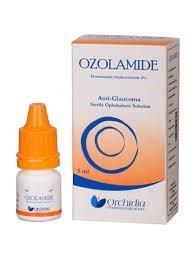
What is Ozolamide and what does it contain
Ozolamide is a prescription eye drop used to reduce elevated intraocular pressure. High pressure inside the eye can damage the optic nerve over time and may contribute to glaucoma-related vision loss if it is not monitored and treated. Ozolamide contains dorzolamide, which belongs to a group of medicines called ophthalmic carbonic anhydrase inhibitors.
Dorzolamide works mainly by decreasing the formation of aqueous humor, the clear fluid inside the eye. Less fluid production helps lower pressure within the eye. It is not a steroid, not an antibiotic, and not a pain-relieving drop. You can review the product details for Ozolamide 2% eye drops on Vezeeta.
| FeatureDetails | |
| Brand | Ozolamide |
| Active ingredient | Dorzolamide |
| Strength discussed | 2% |
| Form | Eye drops, 5 ml dropper |
| Main use | Lowering elevated eye pressure in ocular hypertension or open-angle glaucoma |
Difference between strengths/variants
The common dorzolamide eye-drop strength is 2%. Some glaucoma medicines combine dorzolamide with timolol; these combination drops are different products and are usually dosed differently. Do not switch from Ozolamide to a combination drop unless an eye doctor recommends it.
What is Ozolamide used for
Ozolamide is used to lower elevated intraocular pressure in patients with ocular hypertension or open-angle glaucoma. Lowering eye pressure helps protect the optic nerve and reduce the risk of progressive visual-field damage. Glaucoma and high eye pressure often need long-term follow-up, because symptoms may be mild or absent in early stages.
If you have blurred vision, eye pain, halos around lights, headache, nausea, or a sudden decrease in vision, seek urgent medical assessment rather than relying on eye drops alone. For diagnosis, pressure measurement, optic nerve examination, and follow-up, you can book an ophthalmologist on Vezeeta. You may also read more about glaucoma and eye pressure and high eye pressure symptoms.
Ozolamide dosage and how to use it
The usual adult dose of dorzolamide 2% eye drops is one drop in the affected eye or eyes three times daily when used alone. If it is added to some beta-blocker eye-drop regimens, the doctor may prescribe one drop twice daily. Follow your ophthalmologist’s exact schedule, because glaucoma treatment is individualized according to target eye pressure and response.
Wash your hands before use. Tilt your head back, pull the lower eyelid down gently, place one drop into the pocket of the lower eyelid, then close the eye. Do not touch the dropper tip to the eye, eyelid, fingers, or any surface. Press lightly on the inner corner of the eye for about one minute to reduce drainage into the nose and limit systemic absorption. If you use more than one eye drop, leave at least five minutes between drops.
Before or after food
Ozolamide is an eye drop, so meals do not affect its use. It can be used before or after food. What matters most is using it at evenly spaced times and continuing the plan prescribed by your eye doctor.
Missed dose
If you miss a dose, use it when you remember unless it is almost time for the next dose. If the next dose is due soon, skip the missed dose and continue your regular schedule. Do not use two doses at the same time to make up for a missed dose.
How long does Ozolamide take to work
Dorzolamide starts lowering eye pressure after administration, and the pressure-lowering effect generally reaches its peak within about two to three hours. The effect can last eight hours or longer, which is why repeated daily dosing is needed. You may not feel a noticeable difference even when the drop is working, because high eye pressure often has no symptoms. Regular pressure checks are the best way to confirm response.
What are the side effects of Ozolamide
Common side effects are usually local and may include eye burning, stinging, discomfort, redness, itching, watery eyes, blurred vision shortly after use, eyelid irritation, and a bitter or unusual taste in the mouth. These effects are often mild, but persistent or worsening symptoms should be discussed with a doctor.
Less common but important reactions may include conjunctivitis, eyelid swelling, sensitivity reactions, corneal irritation, or signs of eye infection if the bottle becomes contaminated. Because dorzolamide is a sulfonamide-related medicine, serious allergic reactions are rare but possible.
Urgent symptoms
Seek urgent medical care if you develop severe eye pain, sudden vision loss, marked swelling around the eye, intense redness, discharge, worsening light sensitivity, rash, blistering skin reaction, breathing difficulty, facial swelling, or symptoms of acute angle-closure glaucoma such as severe headache, halos around lights, nausea, and vomiting.
Contraindications and precautions
Do not use Ozolamide if you are allergic to dorzolamide or any component of the product. Tell your doctor if you have had a serious allergy to sulfonamide medicines, severe kidney disease, liver disease, corneal problems, recent eye surgery, eye infection, eye injury, or if you wear soft contact lenses. Dorzolamide is generally not recommended in severe kidney impairment unless a specialist decides the benefit is greater than the risk.
Some dorzolamide products contain benzalkonium chloride, a preservative that can be absorbed by soft contact lenses. Remove contact lenses before applying the drop and wait at least 15 minutes before reinserting them, unless your doctor advises otherwise. Do not stop glaucoma treatment suddenly without medical advice. Eye pressure can rise again without obvious symptoms, and untreated pressure may harm vision.
Ozolamide drug interactions
Important interactions include oral carbonic anhydrase inhibitors such as acetazolamide or methazolamide, because using them with dorzolamide may increase the chance of systemic carbonic-anhydrase-inhibitor effects. High-dose salicylates may also be a concern in some patients. Tell your doctor about all prescription medicines, over-the-counter medicines, supplements, and all other eye drops you use.
Ozolamide during pregnancy and breastfeeding
During pregnancy, Ozolamide should be used only when the expected benefit justifies any possible risk. If you are pregnant, planning pregnancy, or undergoing fertility treatment, ask your ophthalmologist to review your glaucoma plan.
During breastfeeding, topical dorzolamide is generally expected to produce low systemic exposure, especially when punctal pressure is used after applying the drop. Still, the decision should be individualized. A doctor may advise pressing on the tear duct and wiping away excess liquid after use to reduce the amount that reaches breast milk.
Can Ozolamide be taken every day and long term
Yes, dorzolamide eye drops may be prescribed for daily and long-term control of eye pressure. Long-term use should be supervised with regular eye-pressure checks, optic nerve assessment, and visual-field testing when needed. Do not extend, stop, or change the dose based only on how your eye feels.
What are the alternatives to Ozolamide
Alternatives depend on the type and severity of glaucoma, target pressure, other diseases, tolerability, and cost. Options may include prostaglandin analogs such as latanoprost, beta-blocker drops such as timolol, alpha agonists such as brimonidine, other carbonic anhydrase inhibitors such as brinzolamide, fixed-combination eye drops, laser treatment, or surgery. Substitution should only be done by an ophthalmologist.
Ozolamide price in Egypt
The price of Ozolamide in Egypt can change according to availability, pharmacy updates, and delivery area. For the current product details and ordering status, check the Ozolamide page on Vezeeta Pharmacy. Avoid using old prices from screenshots or outdated listings.
Frequently asked questions
What is dorzolamide used for in eye drops?
Dorzolamide eye drops are used to lower high intraocular pressure in ocular hypertension and open-angle glaucoma.
How long can you use dorzolamide eye drops?
They can be used long term if prescribed and monitored by an eye doctor. Follow-up is needed to confirm pressure control and check tolerability.
How long does it take dorzolamide to lower eye pressure?
The pressure-lowering effect generally peaks within about two to three hours after applying the drop.
Is dorzolamide eye drops a steroid?
No. Dorzolamide is a carbonic anhydrase inhibitor, not a steroid.
Can Ozolamide cure glaucoma?
No. It helps control eye pressure, but glaucoma usually needs ongoing monitoring and treatment to reduce the risk of progression.
Can Ozolamide be used with other eye drops?
Yes, it may be used with other eye-pressure-lowering drops when prescribed. Separate different eye drops by at least five minutes.
Can I use Ozolamide with contact lenses?
Remove soft contact lenses before use and wait at least 15 minutes before reinserting them, unless your doctor gives different instructions.
Why does Ozolamide cause a bitter taste?
Some medicine can drain through the tear duct into the nose and throat. Pressing the inner corner of the eye after use may reduce this.
Can children use Ozolamide?
Dorzolamide may be used in children when prescribed by a specialist, but pediatric use must be individualized and monitored.
What if my eye pressure is still high on Ozolamide?
Do not increase the dose yourself. Your ophthalmologist may add another medicine, change treatment, or consider laser or surgical options.
Medical disclaimer
The information in this article is provided for general health education and does not replace medical advice from a doctor or pharmacist. Do not start, stop, or change the dose of any medication without consulting a qualified healthcare professional.