Causes, Symptoms, and Treatment of High Eye Pressure
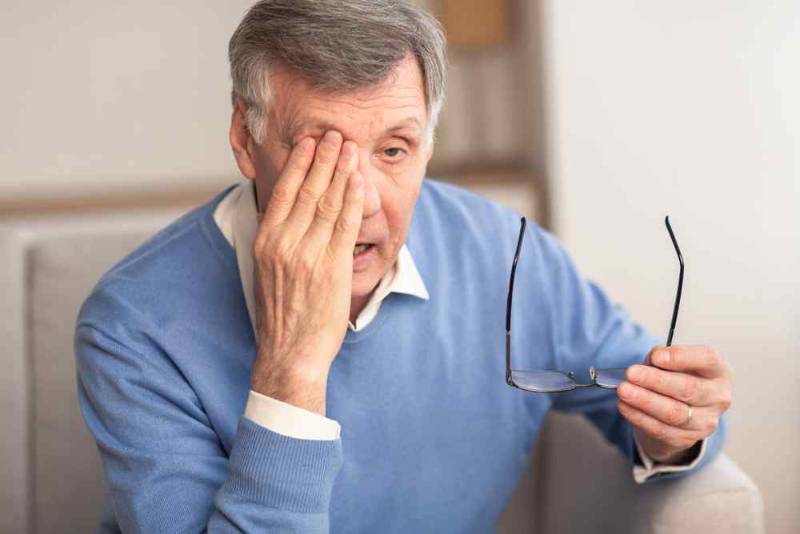
Eye pressure symptoms often result from fluid accumulation inside the eye, caused either by excessive production or inadequate drainage. Treating eye pressure with topical drops or laser therapy helps prevent the onset of glaucoma.
Why Eye Pressure Is Dangerous?
Ocular hypertension symptoms often remain hidden for a long time, which can lead to serious complications when detected at an advanced stage. For this reason, ophthalmologists recommend regular eye examinations for early detection of any arising issues.
Let’s explore together the symptoms and causes of high eye pressure, available treatments, and when it becomes dangerous.
What Is Ocular Hypertension?
Ocular hypertension refers to an increase in the internal pressure of the eye beyond the normal range, due to the accumulation of aqueous humor (eye fluid) and its insufficient drainage.
A patient may experience elevated eye pressure in one or both eyes. If left untreated, it can eventually lead to optic nerve damage or glaucoma.
Normal intraocular pressure (IOP) ranges between 11 and 21 mmHg. If the pressure exceeds this range without signs of glaucoma or optic nerve damage, the condition is diagnosed as ocular hypertension.
Eye fluids play a vital role in maintaining the shape of the eye and nourishing its tissues. When these fluids fail to drain properly through designated channels, intraocular pressure rises.
What are Symptoms of High Eye Pressure?
In most cases, ocular hypertension is asymptomatic, leading many people to remain unaware of the condition. It is often discovered during routine eye exams.
However, some patients may experience the following symptoms:
- Eye irritation
- Pain when moving the eye
- Headaches
- Dizziness
- Pain when touching the eye
- Eye redness
Doctors strongly recommend routine eye exams, especially for individuals over the age of 40 or those at risk for developing glaucoma.
What are Causes of High Eye Pressure?
Ocular hypertension occurs due to a disruption in the balance between fluid production and drainage inside the eye. This imbalance leads to fluid buildup, increasing pressure on the eye tissues and optic nerve.
Fluid buildup may result from:
- Blockage in the drainage angle of the eye
- Excessive fluid production
- Poor drainage efficiency
- Pigment or protein deposits in the drainage canals
- Eye tumors pressing on the drainage channels
- Eye injuries
- Use of certain medications such as corticosteroids
Risk factors that increase the likelihood of developing ocular hypertension include:
- Family history of eye pressure or glaucoma
- Previous eye surgery
- Eye conditions such as pigment dispersion syndrome, myopia (nearsightedness), or pseudoexfoliation syndrome
- Latin American or African descent
- Age over 40 years
- High blood pressure or diabetes
- Chronic stress
What is Diagnosis of Ocular Hypertension?
Ocular hypertension is typically diagnosed during routine eye exams. To confirm the diagnosis, doctors may use the following tests:
- Gonioscopy: Evaluates the eye’s drainage system using a slit-lamp and special lenses.
- Tonometry: Measures intraocular pressure.
- Pachymetry: Measures corneal thickness.
- Optical Coherence Tomography (OCT): Assesses optic nerve health.
- Visual Field Test: Measures peripheral vision without moving the eyes.
Can Ocular Hypertension Be Cured?
Yes, early-stage ocular hypertension can be managed or even reversed, provided that the patient adheres to prescribed medications and follows up with their doctor.
If the condition has progressed to glaucoma, the patient may experience recurring pressure spikes.
What isTreatment for Eye Pressure?
The goal of treatment is to protect the optic nerve and preserve vision. Management options include:
- Topical eye drops
- Laser therapy
- Surgical intervention, such as creating new drainage channels
What are Medications for Ocular Hypertension?
There are many eye drop medications available. The choice depends on the patient’s condition and treatment goals.
Eye drops reduce intraocular pressure either by decreasing fluid production or by increasing fluid drainage.
Doctors may prescribe more than one type of drop and may apply them to only one eye initially to assess effectiveness.
Drops that promote fluid drainage:
- Prostaglandin analogs: Used once daily
- Alpha-adrenergic agonists: Used 2–3 times daily; also reduce fluid production
- Cholinergic agents: Used four times daily
Drops that reduce fluid production:
- Beta-blockers: Used once or twice daily
- Carbonic anhydrase inhibitors: Used 2–3 times daily
- Rho kinase inhibitors: Used once daily
- Alpha-adrenergic agonists
Note: These drops may cause side effects such as eye redness and irritation. Patients should consult their doctor if symptoms worsen.
Laser Treatment for Eye Pressure
Laser treatment is considered a minimally invasive surgical procedure and is usually painless with minimal recovery time.
It works by improving fluid drainage, helping reduce intraocular pressure. Its effect typically lasts 1–5 years.
Home Remedies for Eye Pressure
Certain dietary and lifestyle changes can help lower eye pressure naturally:
- Dark leafy greens: Rich in vitamins A, C, and K, and nitrates that regulate eye pressure
- Omega-3 fatty acids: Anti-inflammatory and antioxidant benefits
- Fruits and vegetables: Contain beneficial flavonoids
- Vitamins A and B
- Berries, turmeric, and green tea
Lifestyle adjustments include:
- Weight management
- Regular exercise
- Quitting smoking
- Sleeping with the head elevated at a 20° angle
Can Ocular Hypertension Be Prevented?
While you may not be able to prevent the condition entirely, you can reduce your risk by:
- Quitting smoking
- Protecting your eyes with sunglasses or safety glasses
- Taking breaks from screens every 20 minutes
- Scheduling regular eye checkups
- Maintaining a healthy diet with leafy greens and omega-3 rich foods like salmon
- Reducing stress
- Keeping blood pressure and cholesterol levels in check
What are Complications of Ocular Hypertension?
If left untreated, ocular hypertension can lead to serious complications, including:
- Glaucoma: Caused by optic nerve damage
- Retinal vein occlusion
- Blurred vision
- Dark or blank spots in the visual field
Conclusion
Eye pressure symptoms are caused by fluid buildup within the eye due to overproduction or drainage issues. Treatment—through eye drops or laser therapy—can help prevent complications like glaucoma and preserve vision.
If you still need to consult a doctor regarding this condition, you can easily book an appointment through Vezeeta
Related Keywords



References
American Academy of Ophthalmology (AAO). Ocular Hypertension. 2024.
https://www.aao.org/eye-health/diseases/ocular-hypertension
Mayo Clinic. High Eye Pressure (Ocular Hypertension). 2023.
https://www.mayoclinic.org/diseases-conditions/ocular-hypertension/symptoms-causes/syc-20352092
National Health Service (NHS, UK). High Eye Pressure. 2022.
https://www.nhs.uk/conditions/ocular-hypertension/
WebMD. Ocular Hypertension: Symptoms, Causes, and Treatments. 2023.
https://www.webmd.com/eye-health/ocular-hypertension
American Optometric Association (AOA). Ocular Hypertension. 2023.
https://www.aoa.org/healthy-eyes/eye-and-vision-conditions/ocular-hypertension?sso=y