Fatty Liver: A Silent Battle That Threatens Your Life
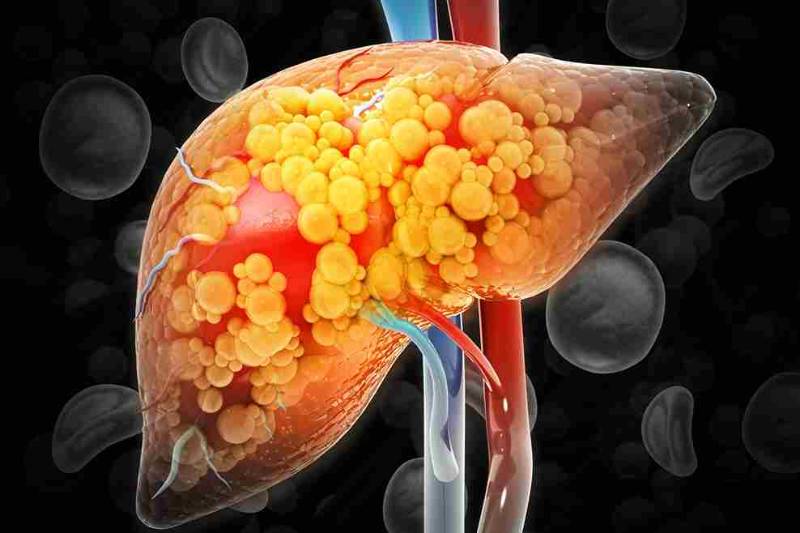
Fatty liver disease has become a major health challenge threatening the lives of many people due to poor dietary and lifestyle habits, fast food consumption, smoking, and other factors that harm this vital organ.
In this article, we explore together the causes, symptoms, risks, and treatment options for fatty liver disease, along with the factors that contribute to fat accumulation in the liver.
What is Fatty Liver?
Fatty liver disease is a condition in which fat accumulates in the liver at levels higher than normal. This leads to inflammation, swelling, and gradual scarring (fibrosis), which may eventually result in liver failure.
A person is diagnosed when fat accounts for more than 5% of the total liver weight. The condition is often linked to obesity, alcohol consumption, or certain metabolic disorders. In many cases, fatty liver can be managed or even reversed through lifestyle modifications and by avoiding risk factors.
Does Fatty Liver Cause Pain?
Yes, fat accumulation may cause pain in the upper right side of the abdomen and a sensation of fullness due to liver enlargement.
What are Symptoms of Fatty Liver?
Fat buildup in the liver often causes no noticeable symptoms. When symptoms appear, they vary depending on disease progression:
- Simple fatty liver: Fat builds up but does not damage the liver.
- Steatohepatitis (NASH): Fat accumulation along with liver inflammation.
- Fibrosis: Scarring develops due to ongoing inflammation while liver function remains relatively intact.
- Cirrhosis: The most dangerous stage, with extensive scarring that irreversibly damages liver function.
Common symptoms include:
- Pain or fullness in the upper right abdomen
- Unexplained weight loss
- Loss of appetite
- Nausea
- Abdominal swelling (ascites)
- Swelling in the hands, legs, or feet
- Jaundice (yellowing of skin and eyes)
- Fatigue and weakness
- Itchy skin
- Dark urine and pale stool
- Easy bruising
- Gynecomastia (enlarged breasts in men)
- Vomiting blood (in advanced cases)
- Enlarged spleen
- Shortness of breath
Types of Fatty Liver Disease
- Alcoholic Fatty Liver Disease (AFLD):
- Caused by heavy alcohol intake, which damages liver cells. Risk increases with:
- 15+ drinks per week for men
- 8+ drinks per week for women
- Prolonged alcohol use may lead to fibrosis and cirrhosis.
- Non-Alcoholic Fatty Liver Disease (NAFLD):
- Linked to obesity, high-calorie diets, and sedentary lifestyle. It can often be reversed with diet and exercise.
- Acute Fatty Liver of Pregnancy:
- Rare but dangerous condition that develops in the third trimester. It can endanger both mother and baby, often requiring early delivery.
- Metabolic-Associated Steatohepatitis (MASH):
- Related to alcohol use combined with metabolic disorders, leading to fat buildup and inflammation.
Causes of Fatty Liver
- Excessive alcohol use
- Insulin resistance
- Type 2 diabetes
- Obesity (BMI 25–29.9 or higher)
- Hypothyroidism or pituitary disorders
- Polycystic ovary syndrome (PCOS)
- Sleep apnea
- Low sex hormones
- Certain medications (e.g., tamoxifen, diltiazem, amiodarone)
Risk Factors
- Smoking
- Genetic predisposition
- Older age
- Family history of liver disease
- Previous hepatitis infection (e.g., Hepatitis C)
- High cholesterol or triglycerides
- Exposure to toxins
- Rapid weight loss
- Pregnancy
How is Fatty Liver Diagnosed ?
- Medical history & physical exam (checking for liver enlargement or tenderness)
- Blood tests (liver enzyme levels)
- Imaging (ultrasound, MRI, CT scan)
- Liver biopsy (definitive diagnosis of inflammation and scarring)
Can Fatty Liver Be Cured?
Yes, in the early stages it is reversible with proper lifestyle changes. In advanced stages (cirrhosis), treatment focuses on slowing disease progression and managing symptoms.
Signs of improvement include:
- Normalization of stool and urine color
- Reduced swelling in limbs and abdomen
- Return of skin color to normal
- Decreased abdominal pain
- Improved energy levels
What is the Treatment for Fatty Liver?
- Stop alcohol consumption
- Adopt a healthy diet low in saturated fats and refined carbs
- Exercise regularly (30 minutes/day, most days of the week)
- Lose excess weight
- Manage cholesterol, blood sugar, and blood pressure
- Vitamin E supplements (for some patients)
No specific drug exists yet for fatty liver, though experimental medications (e.g., Remdesivir analogs) are being studied.
What is the Recommended Diet for Fatty Liver?
Avoid:
- Fried foods
- White rice, bread, and refined carbs
- Red fatty meats
- Excess salt and sodium-rich foods
- Sugary foods and drinks
- Alcohol
Eat more:
- Fresh fruits and vegetables (especially leafy greens)
- Whole grains
- Lean proteins (fish rich in Omega-3 like salmon, tuna, sardines)
- Healthy fats (nuts, olive oil)
- Low-fat dairy
- Garlic, turmeric, sunflower seeds
What are the Complications of Fatty Liver?
If left untreated, fatty liver may cause:
- Liver fibrosis and cirrhosis
- Liver cancer
- Portal hypertension
- Esophageal varices
- Splenomegaly
- Heart disease and stroke
- Osteoporosis
- Increased risk of infections
Conclusion
Recovering from fatty liver disease may be a long journey, but with patience and persistence, it is possible to reverse or control the condition. Early treatment and lifestyle changes can prevent life-threatening complications and help protect your liver health.
If you still need to consult a doctor regarding this condition, you can easily book an appointment through Vezeeta
Related Keywords


References
National Institute of Diabetes and Digestive and Kidney Diseases (NIDDK). (2021). Definition & Facts for Nonalcoholic Fatty Liver Disease & Nonalcoholic Steatohepatitis.
https://www.niddk.nih.gov/health-information/liver-disease/nafld-nash/definition-facts
American Liver Foundation. (2022). Nonalcoholic Fatty Liver Disease.
https://liverfoundation.org/nafld-nash/
Mayo Clinic. (2023). Nonalcoholic fatty liver disease (NAFLD).
https://www.mayoclinic.org/diseases-conditions/nonalcoholic-fatty-liver-disease
Cleveland Clinic. (2023). Fatty Liver Disease: Symptoms, Causes & Treatment.
https://my.clevelandclinic.org/health/diseases/15831-fatty-liver-disease
World Gastroenterology Organisation (WGO). (2012). Nonalcoholic Fatty Liver Disease and Nonalcoholic Steatohepatitis: WGO Global Guideline.
https://www.worldgastroenterology.org/guidelines/global-guidelines/nafld-nash