Meniscus tear | Learn About the Causes, Symptoms, and Treatment

What Is a Meniscus Tear?
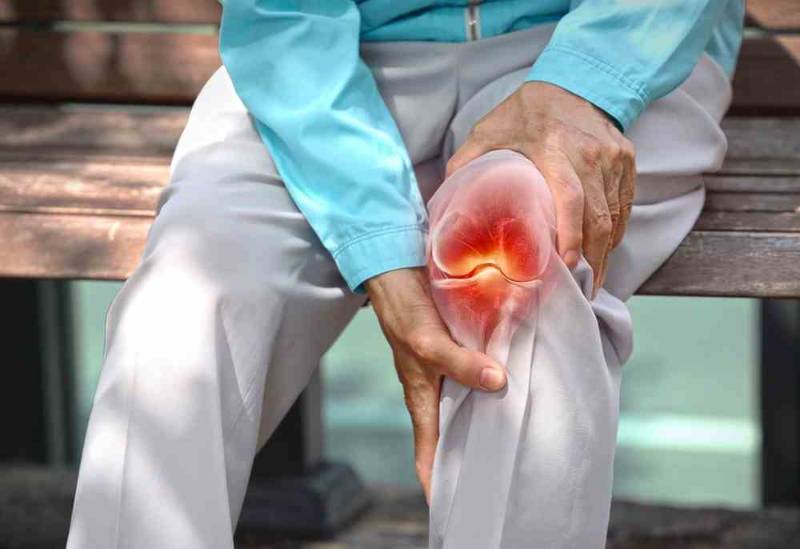
A meniscus tear is one of the most common knee injuries. It usually occurs when the knee twists or bends suddenly while the foot remains firmly planted on the ground.
The knee joint is formed by the ends of the thigh bone and shin bone, separated by two pieces of cartilage called the menisci, which act as shock absorbers to prevent friction between the bones.
Each meniscus has a crescent (C) shape. The medial meniscus is located on the inner side of the knee, while the lateral meniscus sits on the outer side.
Symptoms of a Meniscus Tear
Symptoms vary from person to person, and pain may not appear immediately. Some people may continue walking or playing sports without noticeable symptoms at first.
Symptoms usually develop as inflammation increases and may include:
- Difficulty bending or straightening the leg.
- Mild to severe knee pain depending on the extent of the injury.
- Knee swelling.
- A popping sensation at the time of injury.
- Knee stiffness or inability to move the knee properly.
Causes of a Meniscus Tear
A meniscus tear usually results from sudden twisting or forceful knee movement while the foot remains fixed on the ground.
Although it can affect anyone, it is more common among athletes involved in contact sports. Other causes include:
- Age-related degeneration of the knee cartilage.
- Deep squatting or forceful kneeling.
Diagnosis of a Meniscus Tear
Diagnosis depends on evaluating symptoms, reviewing the patient’s medical history, and performing a physical examination along with imaging tests if needed.
The doctor may ask questions such as:
- Where is the pain located?
- Are you experiencing symptoms other than pain?
- When did the swelling begin, and is it getting worse?
- Have you had a recent or previous knee injury or joint disease?
The doctor may also examine the knee by pressing on certain areas and testing leg movement and muscle strength.
Imaging tests such as X-rays or MRI scans may be recommended to confirm the diagnosis. In some cases, knee arthroscopy may be performed for a closer examination.
Can You Live With a Meniscus Tear?
A meniscus tear may cause pain that worsens over time, especially with physical activity, which can interfere with daily tasks and mobility.
Untreated cases may lead to knee stiffness, reduced movement, or even osteoarthritis.
Meniscus Tear Treatment
Treatment depends on the patient’s age, the size and location of the tear, and the severity of the injury.
Minor tears in the outer part of the meniscus tend to heal faster because this area has a better blood supply. Some mild cases can be treated without surgery, while severe injuries may require surgical intervention.
Medications for Meniscus Tears
Nonsteroidal anti-inflammatory drugs (NSAIDs), such as ibuprofen, may help reduce pain and inflammation as an initial step in treatment.
However, medications alone are usually not enough. Recovery also depends on the following measures:
- Applying cold compresses for 15–20 minutes every 3–6 hours during the first 2–3 days to reduce swelling and pain.
- Elevating the leg while sitting or lying down using a pillow under the heel.
- Getting enough rest and avoiding activities that put pressure on the knee.
- Using an elastic knee bandage to control swelling.
- Performing stretching exercises to reduce pressure on the joint.
Meniscus Surgery
Surgery may become necessary in severe cases that do not respond to conservative treatment, especially if the knee becomes stiff or locked.
The goal of surgery is to repair the torn meniscus whenever possible, especially in children and younger adults.
In cases where repair is not possible, the surgeon may remove part or all of the damaged meniscus. Patients with severe degenerative arthritis may eventually require knee replacement surgery.
Recovery After Meniscus Surgery
Many patients can walk shortly after surgery, but crutches are usually recommended for at least one month to reduce pressure on the knee during healing.
A knee brace or splint may also be needed temporarily to limit movement and support recovery.
Doctors usually recommend avoiding strenuous activities and attending physical therapy sessions to restore knee function.
Success Rate of Meniscus Surgery
Meniscus surgery has shown a success rate of approximately 85–90% in treated cases. Severe untreated tears, however, are more likely to lead to arthritis.
Recovery Time From a Meniscus Tear
Recovery time depends on the size and location of the tear as well as the type of treatment used.
Non-surgical cases generally heal faster than advanced injuries requiring surgery.
Recovery after meniscus repair surgery usually takes longer than recovery after meniscus removal. Healing may take about 4 weeks after partial removal and up to 3 months after meniscus repair, depending on the patient’s response to treatment.
Conclusion
A meniscus tear occurs when the knee twists or bends suddenly, causing pain that may range from mild to severe and sometimes limiting movement. Treatment may involve medications and supportive care, while advanced cases may require surgery to prevent complications.
If you still need to consult a doctor about this condition, you can easily book an appointment through Vezeeta.
Related Keywords
Specialized Doctors



References
https://www.nhs.uk/conditions/meniscus-tear/
https://www.orthobullets.com/knee-and-sports/3005/meniscal-tears
https://orthoinfo.aaos.org/en/diseases--conditions/meniscus-tears/
https://sma.org.au/resources/injury-fact-sheets/meniscus-injury-2/
https://purephysiotherapy.co.uk/conditions/meniscus-injury/
Specialized Doctors