Osteoarthritis Of The Knee
What is Knee Osteoarthritis?
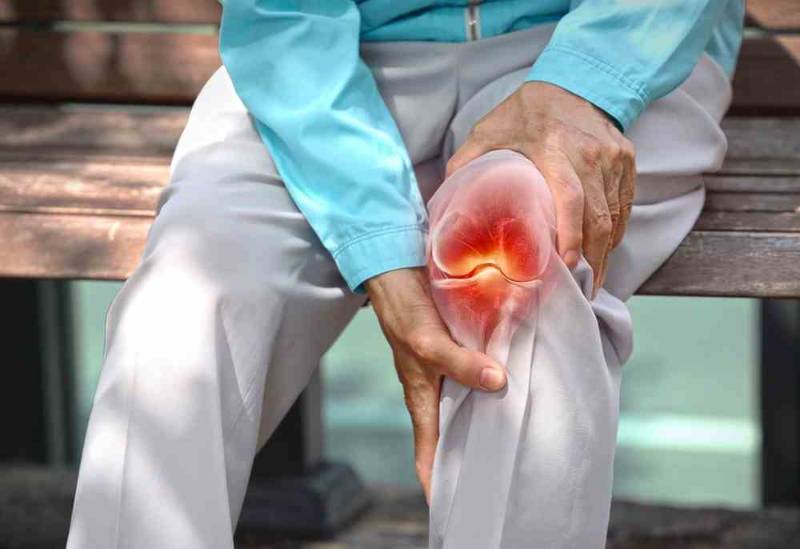
Knee osteoarthritis, medically referred to as Osteoarthritis of the Knee, is a condition caused by the gradual wear and tear of the cartilage that cushions the bones of the knee joint, leading to friction between bones and pain.
These cartilage layers act as cushions, allowing smooth, painless joint movement. Their erosion leads to friction and significant discomfort.
Osteoarthritis affects around 80% of people over 55, with symptoms appearing in about 60% of those affected.
Symptoms of Knee Osteoarthritis
Symptoms vary between individuals depending on cartilage damage severity and other factors. Common symptoms include:
- Swelling around the joint
- Sharp pain, especially during movement
- Weakness in the joint
- Loss of flexibility and limited range of motion
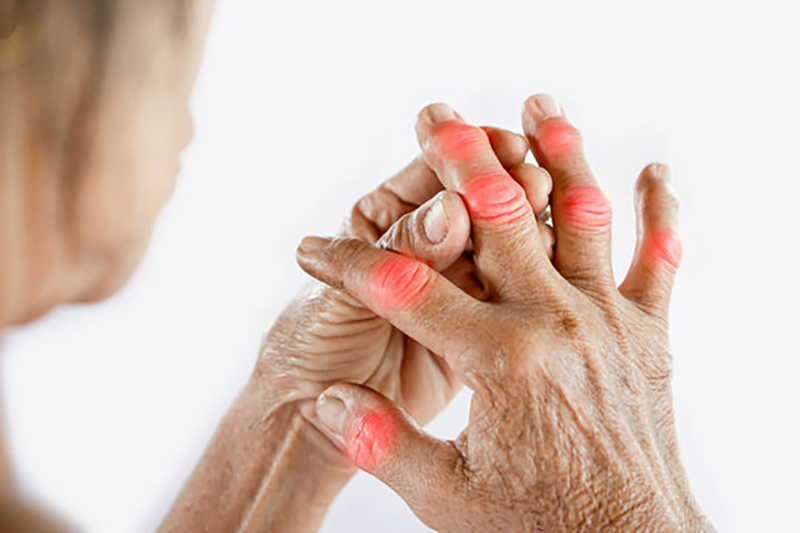
- Joint deformity
- Stiffness, especially after long periods of inactivity
- Pain upon touching the joint
- Cracking or popping sounds during movement
Causes of Knee Osteoarthritis
The primary cause is the erosion of the cartilage that allows bones in the joint to glide smoothly. In some cases, even the surrounding connective tissues become damaged, worsening the pain and stiffness.
Possible causes include:
- Car accidents
- Falls
- Sports injuries
- Medical conditions like joint hypermobility syndrome, gout, or rheumatoid arthritis
Risk factors:
- Obesity: Excess weight adds pressure on joints, accelerating cartilage wear.
- Aging: Cartilage healing ability declines with age.
- Gender: Women, particularly postmenopausal, are more prone due to lower estrogen levels, increasing oxidative stress in cartilage.
- Overuse of the joint: Jobs requiring prolonged standing or repetitive motion stress the knee.
- Weak muscles supporting the knee
- Conditions like diabetes or high cholesterol
- Genetics
Read also: Rheumatoid arthritis
Types of Knee Osteoarthritis
- Primary osteoarthritis – gradual wear of cartilage with aging
- Secondary osteoarthritis – results from trauma, usually affecting one knee
Stages of Knee Osteoarthritis
Osteoarthritis is classified into five stages:
- Stage 0 (Normal)
- No visible damage
- Stage 1 (Minor)
- Small bone spurs may appear, but no pain is usually felt
- Stage 2 (Mild)
- More noticeable wear, slight pain after prolonged use, stiffness after inactivity, or tenderness when bending the knee
- Stage 3 (Moderate)
- More cartilage damage, narrower joint space, frequent pain during movement, swelling
- Stage 4 (Severe)
- Nearly complete cartilage loss, bones touch and grind, severe pain and movement restriction
MRI scans help determine the extent of damage. Blood tests may be used to rule out conditions like rheumatoid arthritis.
How Is Knee Osteoarthritis Treated?
Treatment focuses on:
- Pain relief
- Improving mobility
Non-Surgical Treatments
- Anti-inflammatories and pain relievers: e.g., acetaminophen, ibuprofen, capsaicin creams
- Corticosteroid injections: reduce inflammation and swelling
- Hyaluronic acid injections: lubricate the joint
- Alternative therapies: acupuncture, supplements
- Knee braces: reduce joint pressure
- Newer therapies:
- Platelet-rich plasma (PRP)
- Botox injections
- Cartilage cell transplantation
- Stem cell therapy
At-home care may include:
- Weight loss
- Low-impact exercise: swimming, water aerobics
- Hot/cold compresses
- Herbal support: ginger, green tea, turmeric
- Omega-3-rich foods: salmon, tuna
- Avoiding inflammatory foods: salt, sugar, trans fats, refined carbs, gluten
Surgical Treatment for Severe Cases
When other treatments fail, surgery may be the best solution:
- Arthroscopic surgery: minimally invasive, removes damaged cartilage
- Osteotomy: reshapes bones if damage is localized
- Knee replacement: the final option, replacing the joint with a metal/plastic prosthesis
Recommended Exercises
Not all exercises suit people with knee osteoarthritis. High-impact activities can worsen symptoms.
Low-impact exercises help strengthen muscles and improve flexibility. Recommended duration: 75–150 minutes per week, with gradual progression.
Best exercises:
- Walking
- Swimming
- Cycling
- Yoga
Always consult a doctor before beginning any exercise routine.
In Conclusion
Knee osteoarthritis can cause mild to severe pain depending on the progression. If left untreated, it may severely impair mobility. However, many causes and risk factors are preventable. Early diagnosis and proper treatment can greatly improve quality of life.
If you still need to consult a doctor regarding this condition, you can easily book an appointment through Vezeeta
Related Keywords



References
- https://www.mayoclinic.org/diseases-conditions/osteoarthritis/symptoms-causes/syc-20351925
- https://my.clevelandclinic.org/health/diseases/5599-osteoarthritis
- https://www.healthline.com/health/osteoarthritis/knee-osteoarthritis-symptom
- https://www.webmd.com/osteoarthritis/knee-osteoarthritis-causes-symptoms-treatment
- https://my.clevelandclinic.org/health/diseases/5599-osteoarthritis
- https://www.healthline.com/health/osteoarthritis/knee-osteoarthritis-causes-symptoms-treatments