Dialysis: When Is It Needed, and How Is It Done?
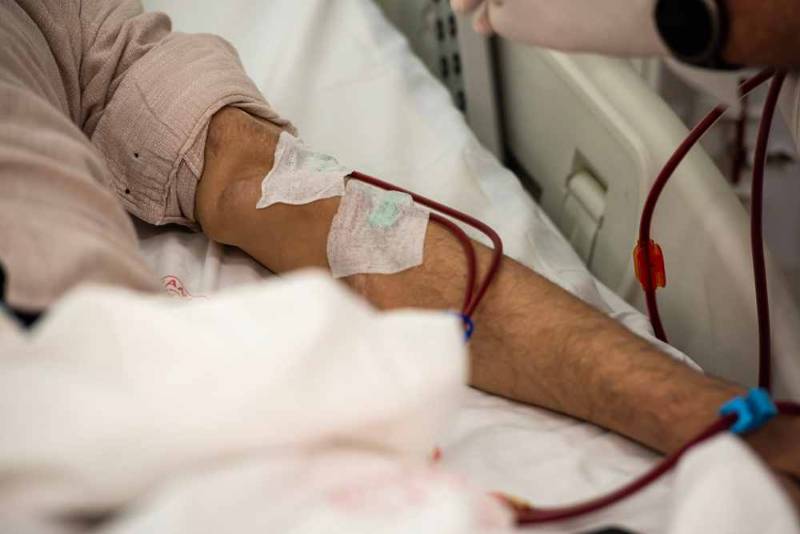
The kidneys are among the body’s most vital organs, responsible for eliminating toxins and waste through urine. When kidney function declines and the patient experiences kidney failure, dialysis becomes essential to cleanse the blood of accumulated toxins.
But what are the indications for dialysis? At what creatinine level does dialysis become necessary? Does dialysis have complications? Let’s explore these questions and more in the following sections.
What Is Dialysis?
Dialysis is a medical procedure that removes toxins and excess fluids from the blood using an external machine, especially when the kidneys have lost 85–90% of their function.
The dialysis machine takes over the kidney's role by pulling blood out of the body, cleaning it, and then returning it via another blood vessel. This prevents the buildup of harmful toxins that could cause loss of consciousness or death.
What are Causes of Kidney Failure?
Normal blood creatinine levels range from 0.5 to 1.2 mg/dL. Elevated levels may indicate reduced kidney efficiency.
If creatinine, potassium, or blood urea nitrogen (BUN) levels are significantly high, dialysis may be necessary. Typically, dialysis is required when:
- Creatinine > 2 mg/dL in children
- Creatinine > 5 mg/dL in adults
What areTypes of Dialysis?
While dialysis may seem daunting, it becomes a lifesaving procedure when kidneys fail. There are three main types of dialysis, some of which can be done at home with proper training:
- Intermittent Hemodialysis
- Continuous Peritoneal Dialysis
- Renal Replacement Therapy (in ICU settings)
1. Intermittent Hemodialysis
The most common method. A catheter is inserted into a large vein to allow blood to flow from the body to the dialysis machine, where it's filtered and returned via another vein.
Before the first session, the patient undergoes vascular access surgery to prepare blood vessels for dialysis.
Home hemodialysis is possible if:
- The patient is generally healthy
- Condition remains stable during dialysis
- A trained caregiver is available
- The home environment is clean and suitable
- The patient’s veins can accommodate home dialysis
2. Continuous Peritoneal Dialysis (CPD)
Less commonly used as it takes more time. A dialysis solution is introduced into the peritoneal cavity (abdominal space) through a catheter. It’s exchanged several times daily.
The solution, rich in glucose and minerals, pulls waste and fluid across the peritoneal membrane via osmosis.
Ideal for:
- Children
- Elderly
- Working individuals needing flexible schedules
Types of Peritoneal Dialysis:
- Ambulatory Peritoneal Dialysis (APD): 4–5 exchanges/day, each lasting ~8 hours.
- Cycler-assisted Peritoneal Dialysis (CAPD): Done over 10–12 hours at night with a machine.
3. Continuous Renal Replacement Therapy (CRRT)
Used in intensive care units for critically ill patients. The patient is connected to a dialysis machine for 24 hours straight.
What areTypes of Dialysis Catheters?
There are two main types of dialysis catheters, chosen based on the patient's condition and needs:
Temporary Catheters
- Used in emergencies or short-term treatment
- Inserted in large veins like the jugular
- Higher risk of infection after 2–3 weeks
Removal required if:
- The patient recovers
- Long-term dialysis is needed
- It causes infection
Permanent Catheters
- Safer and tunneled under the skin to reduce infection risk
- Inserted in the chest, reaching the jugular vein
- Suitable for long-term use
What is Dialysis Device Placement?
Hemodialysis Access Options:
- AV Graft: An artificial tube connects artery and vein when natural vessels are inadequate (heals in ~2 weeks)
- AV Fistula: Direct connection between an artery and vein (takes ~6 weeks to mature)
- Catheter: Quick solution for urgent dialysis, often placed in the neck
Peritoneal Dialysis Access:
- A catheter is surgically inserted into the abdominal cavity
- Takes ~3 weeks to heal before starting dialysis
How Is Dialysis Performed?
Intermittent Hemodialysis:
- The dialysis machine is connected to the access point (arm or neck)
- Blood is filtered and returned to the body
- Sessions occur 3 times per week, lasting 3–4 hours each
Peritoneal Dialysis:
- A glucose-rich solution is infused into the abdomen
- Waste and fluids move into the solution
- After a few hours, the fluid is drained and replaced with fresh solution
What are Complications of Dialysis?
Many patients fear dialysis. Common concerns include:
“Is dialysis painful?” “Can it cause death?” “How is blood removed and returned?”
Dialysis is not painful, but inserting needles may cause discomfort at first. Possible complications include:
- Anemia
- Irregular heartbeat
- Cardiac arrest
- High potassium levels
- Muscle cramps or weakness
- Nausea or vomiting
- Low blood pressure
- Itching
- Insomnia
- Fever
- Infections (especially from temporary catheters)
- Depression
When Can Dialysis Be Stopped?
Since kidney failure is chronic, stopping dialysis leads to dangerous toxin buildup and may be fatal. Missing even one session can be life-threatening.
What are Exceptions where dialysis may stop?
- Kidney transplant recipients
- Reversible acute kidney injuries (e.g., drug toxicity, sudden trauma)
How Long Can a Person Live on Dialysis?
With proper care, patients can live 10–20 years on dialysis. Longevity depends on:
- Cause of kidney failure
- Age
- General health
- Adherence to treatment and diet
Final Thoughts
Dialysis is not the end, but rather a new beginning filled with challenges that can be managed. With determination and guidance, you can improve your quality of life and avoid serious complications. Consult your doctor to choose the most suitable dialysis method for you.
If you still need to consult a doctor regarding this condition, you can easily book an appointment through Vezeeta
Related Keywords
Specialized Doctors

essam abdelwahab
Consultant of Urology, Nephrology, Andrology and Infertility - Ain Shams Medicine

Tarek El Gammal
Professor of Urology and reproductive surgery- National Institute of Urology & Nephrology- and member of the European society of Urology

Peter Samir
Consultant of urology and Endoscopy
References
National Kidney Foundation (NKF). Hemodialysis. Retrieved from: https://www.kidney.org/atoz/content/hemodialysis
National Institute of Diabetes and Digestive and Kidney Diseases (NIDDK). Treatment methods for kidney failure: Hemodialysis. Updated 2024.
Available at: https://www.niddk.nih.gov/health-information/kidney-disease/kidney-failure/hemodialysis
Mayo Clinic. Dialysis: Procedure, types, and risks. Updated 2024.
Retrieved from: https://www.mayoclinic.org/tests-procedures/dialysis/about/pac-20384825
Cleveland Clinic. Dialysis: What it is, how it works, and what to expect.
Available at: https://my.clevelandclinic.org/health/treatments/15285-dialysis
World Health Organization (WHO). Chronic kidney disease and dialysis care.
Retrieved from: https://www.who.int/news-room/fact-sheets/detail/chronic-kidney-disease
Johns Hopkins Medicine. Peritoneal Dialysis.
Available at: https://www.hopkinsmedicine.org/health/treatment-tests-and-therapies/peritoneal-dialysis
American Kidney Fund (AKF). Types of dialysis and how they work.
Retrieved from: https://www.kidneyfund.org/all-about-kidneys/treatment/dialysis
U.S. Centers for Disease Control and Prevention (CDC). Infection prevention in dialysis settings.
Retrieved from: https://www.cdc.gov/dialysis/index.html
British Renal Society (BRS). Guidelines on dialysis adequacy and patient care.
Retrieved from: https://britishrenal.org/
National Health Service (NHS, UK). Dialysis overview.
Available at: https://www.nhs.uk/conditions/dialysis/
Specialized Doctors
essam abdelwahab
Consultant of Urology, Nephrology, Andrology and Infertility - Ain Shams Medicine
Tarek El Gammal
Professor of Urology and reproductive surgery- National Institute of Urology & Nephrology- and member of the European society of Urology
Peter Samir
Consultant of urology and Endoscopy