Urinary Tract Infection: Symptoms and Treatment

Have you ever felt a burning sensation while urinating or a frequent urge to go to the bathroom without passing much urine? What you may be experiencing could be a urinary tract infection (UTI), one of the most common bacterial infections worldwide. It affects women more frequently, but it can also occur in men and children.
What is a urinary tract infection?
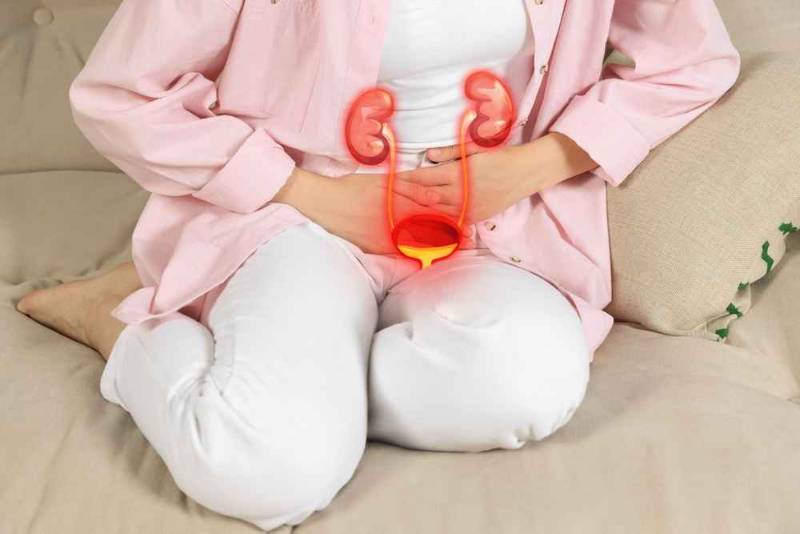
A urinary tract infection (UTI) is a bacterial infection that can affect any part of the urinary system, including the bladder, urethra, ureters, and kidneys. The most commonly affected parts are the bladder and urethra, known as lower urinary tract infections. When the infection reaches the kidneys, it is called pyelonephritis, which is more serious.
In most cases, the bacteria responsible is E. coli, which spreads from the anal area to the urinary tract. Women are more susceptible due to their shorter urethra compared to men.
What are the symptoms of a urinary tract infection?
Symptoms vary depending on the location and severity of the infection, but common signs include:
- A burning sensation or pain during urination (the most common and bothersome symptom)
- Frequent and urgent need to urinate with small amounts passed
- Cloudy, reddish, or foul-smelling urine
- Lower abdominal or pelvic pain
- A feeling of incomplete bladder emptying
If the infection spreads to the kidneys, additional symptoms may include fever, chills, nausea, and pain in the back or side.
Symptoms of UTIs in children
Young children may not clearly express their discomfort, so watch for:
- Unexplained fever
- Crying during urination or avoiding it
- Bedwetting or loss of bladder control
- Pale appearance, fatigue, or loss of appetite
Symptoms of UTIs in men
Although less common in men, UTIs may present with:
- Discharge from the penis
- Pain or swelling in the prostate or testicles
- Difficulty starting urination or weak urine flow
Why do recurrent UTIs happen in women?
Many women experience recurrent UTIs (three or more episodes per year). Common causes include:
- Shorter urethra, making it easier for bacteria to enter
- Sexual activity, which may push bacteria toward the urethra
- Menopause, due to decreased estrogen levels
- Use of certain contraceptive methods
- Weakened immune system or diabetes
- Chronic constipation, which puts pressure on the bladder
UTIs and sexual activity
Sexual intercourse is a known trigger for UTIs, especially in women. To reduce the risk:
- Urinate immediately after intercourse
- Clean the genital area from front to back
- Drink plenty of water
- Avoid scented products in the genital area
UTI does not necessarily require complete abstinence, but it is best to avoid intercourse during active infection to reduce discomfort and support recovery.
How is a UTI diagnosed?
Diagnosis typically includes:
- Urinalysis: detects white blood cells, bacteria, or nitrates
- Urine culture: identifies the bacteria and its antibiotic sensitivity
- Medical history and physical examination, especially in recurrent cases
- Ultrasound or CT scan in chronic or complicated infections
What is the treatment for UTIs?
treatment mainly depends on antibiotics, selected based on the type of bacteria and the severity of the condition. Common options include:
- Trimethoprim-sulfamethoxazole
- Nitrofurantoin
- Ciprofloxacin (usually used for more severe cases or when the infection involves the kidneys)
Treatment duration varies:
- 3–7 days for simple infections
- Up to 2 weeks for complicated cases or in men
Antibiotics should never be taken without medical consultation.
Treatment of UTIs in women
Most cases in women respond to short-course therapy, sometimes as brief as 3 days. In recurrent cases, doctors may prescribe low-dose preventive antibiotics or a single dose after intercourse.
Treatment of UTIs during pregnancy
UTIs during pregnancy require prompt and careful management due to the risk of preterm labor or fetal complications. Safe antibiotics are selected carefully, while certain medications are avoided.
Routine urine testing early in pregnancy is important to detect asymptomatic bacteriuria (bacteria in urine without symptoms), allowing early treatment and prevention of complications.
Is a UTI dangerous if it reaches the kidneys?
Yes. When the infection spreads to the kidneys, it becomes pyelonephritis, a more serious condition with symptoms such as:
- High fever
- Severe back pain
- Nausea and vomiting
If untreated, it may lead to sepsis or permanent kidney damage. Any UTI accompanied by fever requires immediate medical attention.
How can you prevent UTIs?
Prevention plays a key role, especially for women at higher risk. Simple daily habits can make a big difference:
- Drink plenty of water (at least 8 glasses daily)
- Do not delay urination
- Wipe from front to back after using the bathroom
- Urinate after intercourse
- Avoid scented genital products
- Wear cotton underwear and avoid tight clothing
Conclusion
Urinary tract infections are common and usually treatable when diagnosed early and managed properly. Whether it’s your first infection or a recurrent issue, understanding the causes and symptoms helps you act quickly. Do not ignore symptoms or delay seeking medical advice, especially if fever or back pain is present.
If you still need medical consultation, you can easily book an appointment through Vezeeta.
Related Keywords





References
https://www.mayoclinic.org/diseases-conditions/urinary-tract-infection/symptoms-causes/syc-20353447 https://www.healthline.com/health/urinary-tract-infection-adults https://my.clevelandclinic.org/health/diseases/9135-urinary-tract-infections https://www.webmd.com/women/guide/your-guide-urinary-tract-infections https://medlineplus.gov/urinarytractinfections.html https://www.medicalnewstoday.com/articles/189953