How Is Osteoporosis Treated in Women?
What Are the Symptoms of Osteoporosis in Women?
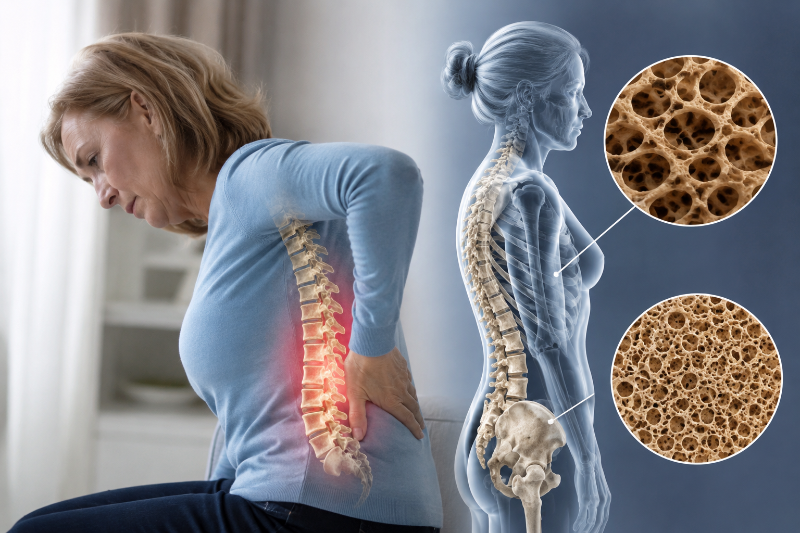
Osteoporosis is often called the "silent disease" because it usually causes no noticeable symptoms in its early stages. Many women may have the condition for years without realizing it. In many cases, osteoporosis is only diagnosed after a fracture occurs following a minor fall or injury.
As the condition progresses, the following symptoms may develop:
- Chronic back pain, often caused by compression fractures of the spine.
- Gradual loss of height over time due to vertebral compression.
- A stooped or hunched posture resulting from weakened spinal bones.
- Increased susceptibility to fractures, especially in the hip, wrist, or spine, even after minor injuries or everyday activities.
What Are the Signs of Osteoporosis in Women?
The most common signs include persistent back pain, noticeable loss of height over time, a curved upper back (kyphosis), and fractures that occur after a minor fall or slight twist.
What Is the Difference Between Osteoporosis and Rheumatoid Arthritis?
Although osteoporosis and rheumatoid arthritis are often confused, they are completely different conditions in terms of their causes, symptoms, and how they affect the body.
Osteoporosis is characterized by reduced bone density and weakened bone structure, making bones more fragile and prone to fractures, particularly in the hip, spine, and wrist. It typically does not cause joint inflammation or swelling and may remain symptom-free until the first fracture occurs.
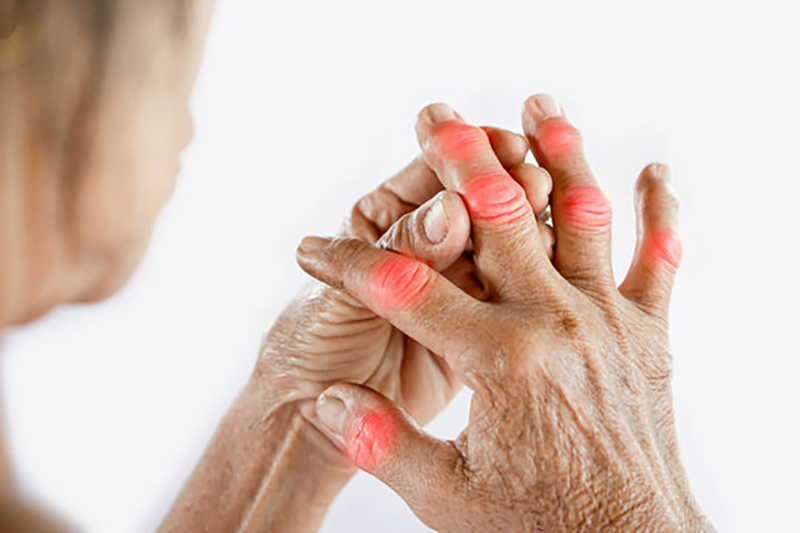
Rheumatoid arthritis (RA) is an autoimmune disease in which the immune system attacks the lining of the joints, leading to inflammation, pain, swelling, and stiffness, especially in the morning. Without treatment, RA can cause permanent joint damage and reduced mobility.
Although these conditions are different, rheumatoid arthritis and long-term corticosteroid use can increase the risk of developing osteoporosis. Each condition requires its own diagnosis and treatment plan.
Causes of Osteoporosis in Women
Several factors contribute to weakened bones. A woman's hormonal changes and natural biological processes play a major role in the development of osteoporosis. Throughout life, bone tissue is continuously broken down and rebuilt under the influence of hormones.
Common causes include:
- Low estrogen levels, the primary female hormone responsible for maintaining bone mass.
- Family history and genetic factors.
- A diet lacking calcium and vitamin D.
- Physical inactivity and lack of weight-bearing or resistance exercises.
Causes of Osteoporosis After Menopause
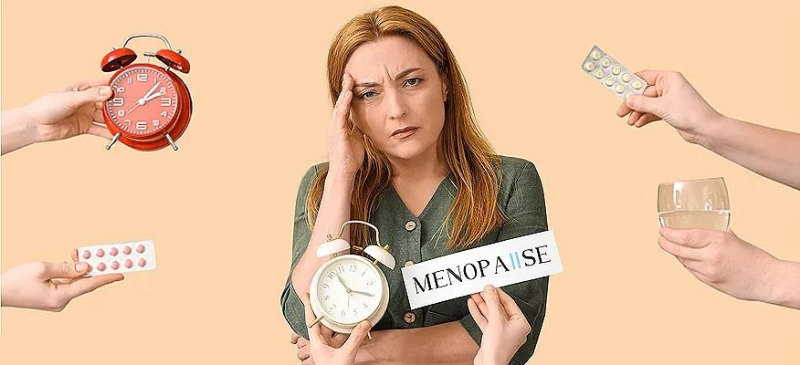
Bone health is closely linked to female hormones. During menopause, estrogen levels decline rapidly, accelerating bone loss and reducing bone density.
This hormonal change explains why many women develop osteoporosis and become more susceptible to fractures during the first few years after menopause.
How Is Osteoporosis Treated in Women?
Treatment depends on the patient's age, bone density, and fracture risk. The main goals are to strengthen bones, slow bone loss, and reduce the risk of fractures.
Treatment options include:
- Bisphosphonates and other osteoporosis medications to slow bone loss.
- Hormone replacement therapy (HRT) in selected postmenopausal women after careful medical evaluation.
- Calcium and vitamin D supplements, when needed.
- Lifestyle changes, including weight-bearing exercise, a calcium- and vitamin D-rich diet, smoking cessation, and limiting alcohol and excessive caffeine intake.
Note: Osteoporosis medications and supplements should only be taken under medical supervision, as treatment varies from one patient to another.
Which Drink Helps Strengthen Bones?
Vitamin D-fortified milk is considered one of the best drinks for bone health because it provides easily absorbed calcium. Calcium-fortified beverages, such as fortified orange juice, can also support healthy bones.
What Should Someone With Osteoporosis Eat?
A daily diet rich in calcium and vitamin D is essential. Recommended foods include:
- Dairy products.
- Dark leafy vegetables such as spinach and broccoli.
- Fatty fish such as salmon and sardines.
- Nuts and seeds.
Is Osteoporosis a Serious Disease?
Yes. Osteoporosis can become serious if it is not diagnosed and treated early. It significantly increases the risk of fractures, particularly in the hip, spine, and wrist, even after minor injuries. These fractures may lead to reduced mobility, loss of independence, and complications related to prolonged immobility. Early diagnosis and proper treatment can greatly reduce these risks.
Can Osteoporosis Be Cured?
Osteoporosis cannot be completely reversed to restore bones to their original condition. However, appropriate medical treatment and healthy lifestyle changes can slow disease progression, improve bone density, and reduce the risk of future fractures.
How Can Osteoporosis in Women Be Prevented?
Prevention begins with adopting healthy habits that help maintain strong bones and reduce bone loss with age. These include:
- Eating a balanced diet rich in calcium, including dairy products and leafy green vegetables.
- Getting enough vitamin D through safe sun exposure or supplements if recommended by a doctor.
- Exercising regularly, especially walking, resistance training, and light weight-bearing exercises.
- Avoiding smoking and limiting excessive caffeine intake.
- Undergoing a DEXA bone density scan when risk factors are present or after menopause for early detection.
When Should You See an Orthopedic Doctor?
Do not ignore symptoms or risk factors that may indicate osteoporosis. Early diagnosis can help prevent fractures and preserve bone health. You should consult an orthopedic specialist if you experience:
- Persistent back or bone pain.
- A fracture after a minor fall or injury.
- Gradual loss of height or a hunched back.
- Menopause with additional osteoporosis risk factors.
- A family history of osteoporosis or recurrent fractures.
- Low bone density on a DEXA scan.
- Long-term corticosteroid use or medical conditions that increase osteoporosis risk.
An orthopedic specialist can accurately diagnose osteoporosis, develop an appropriate treatment plan, and provide guidance to help prevent fractures and maintain bone strength.
Conclusion
Osteoporosis in women is a condition that can often be prevented and effectively managed when detected early. Maintaining a healthy diet, staying physically active, and having bone density screenings when recommended are essential steps for preserving bone strength and reducing the risk of fractures.
If you still need a doctor’s consultation for this condition, you can easily book an appointment through Vezeeta.
Related Keywords


References
https://pmc.ncbi.nlm.nih.gov/articles/PMC10711335/
https://www.sciencedirect.com/topics/medicine-and-dentistry/postmenopause-osteoporosis
https://academic.oup.com/edrv/advance-article/doi/10.1210/endrev/bnag006/8498994
https://www.mdpi.com/2077-0383/15/1/102