Vaginal Dryness Unbearable? Discover Its Causes and Effective Solutions
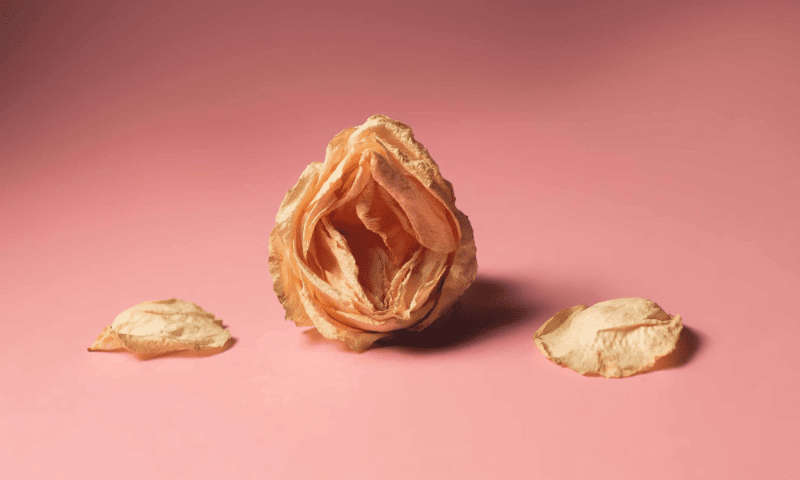
Vaginal dryness is a condition that many women experience but often hesitate to talk about. Whether it occurs during menopause, after childbirth, or at any other stage of life, it can significantly impact a woman’s comfort, sexual health, and overall quality of life. While it's often dismissed as a natural part of aging, vaginal dryness is not something you have to live with — effective treatments are available, and understanding the underlying causes is the first step to relief.
What Is Vaginal Dryness?
Vaginal dryness refers to the lack of natural moisture in the vaginal walls. This condition can lead to irritation, itching, burning, and discomfort, especially during sexual intercourse. While it can affect women of all ages, it’s most commonly associated with hormonal changes, particularly a decline in estrogen levels.
What are Common Causes of Vaginal Dryness?
- Hormonal Changes: Menopause, postpartum period, breastfeeding, and certain hormonal therapies can lower estrogen levels, reducing natural lubrication.
- Medications: Some antidepressants, antihistamines, and cancer treatments can dry out mucous membranes, including the vaginal lining.
- Stress and Anxiety: Mental health plays a big role in physical wellness — chronic stress can affect hormone balance and decrease natural lubrication.
- Use of Irritants: Scented soaps, douches, and harsh personal hygiene products may disrupt the natural pH and cause dryness.
- Autoimmune Conditions: Disorders like Sjögren’s syndrome may reduce secretions from glands, including vaginal moisture.
What are Signs and Symptoms of Vaginal Dryness?
- Vaginal itching or burning
- Discomfort or pain during intercourse (dyspareunia)
- A feeling of tightness or dryness
- Light bleeding after sex
- Recurrent vaginal or urinary infections
- Decreased libido due to discomfort
How is Vaginal Dryness Diagnosed?
If you're experiencing persistent symptoms, a healthcare provider will likely perform a pelvic exam to assess vaginal tissue and may recommend hormone level testing or additional diagnostic procedures to rule out underlying conditions.
What are the Treatment Options for Vaginal Dryness?
1. Vaginal Moisturizers
These are non-hormonal products used regularly to maintain vaginal hydration and comfort.
2. Water-Based Lubricants
Used during sexual activity to ease discomfort and improve intimacy.
3. Estrogen Therapy
Local estrogen creams, tablets, or rings can restore moisture by targeting the vaginal tissue directly with minimal systemic absorption.
4. Laser Therapy
Non-invasive vaginal rejuvenation treatments help stimulate collagen and improve tissue elasticity and lubrication.
5. Lifestyle Changes
Staying hydrated, avoiding irritants, managing stress, and maintaining sexual activity can help support natural vaginal health.
When to See a Doctor?
Consult a healthcare provider if vaginal dryness:
- Persists despite using moisturizers or lubricants
- Affects your sexual life or relationship
- Causes frequent infections or bleeding
- Is accompanied by other unusual symptoms
Final Thoughts
Vaginal dryness is a manageable condition, and you don’t have to suffer in silence. By identifying the cause and choosing the right treatment, you can restore comfort, enhance your intimate health, and improve your overall well-being. Don’t hesitate to speak with your doctor — your comfort and confidence are worth it.
If you still need to consult a doctor regarding this condition, you can easily book an appointment through Vezeeta
Related Keywords



References
Mayo Clinic – Vaginal Dryness
Overview of causes, symptoms, and treatments.
Website: https://www.mayoclinic.org/symptoms/vaginal-dryness/basics/definition/sym-20050794
National Health Service (NHS) UK
Information on vaginal dryness causes and treatment options.
Website: https://www.nhs.uk/conditions/vaginal-dryness/
American College of Obstetricians and Gynecologists (ACOG)
Patient FAQs about vaginal dryness and management.
Website: https://www.acog.org/womens-health/faqs/vaginal-dryness
UpToDate – Vaginal Dryness
Clinical resource on evaluation and treatment of vaginal dryness.
Website: https://www.uptodate.com/contents/vaginal-dryness
World Health Organization (WHO) – Menopause and Vaginal Health
Information on vaginal dryness related to menopause.
Website: https://www.who.int/reproductivehealth/topics/ageing/menopause/en/
Journal Article: "Vaginal dryness: diagnosis and treatment"
Climacteric, 2017; Volume 20, Issue 4, Pages 307-311