Menopause: Your Complete Guide to Navigating the Change with Health and Peace
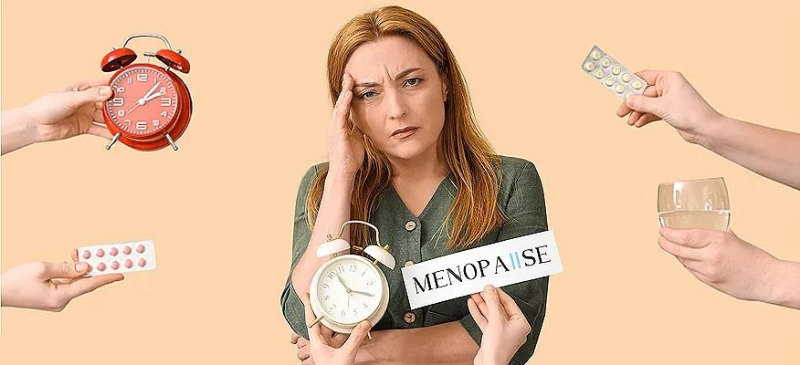
Menopause, also known as "the change of life," is a natural stage in every woman’s life. However, it often comes with physical and emotional changes that can affect one’s quality of life. It typically occurs between the ages of 45 and 55 and marks the end of fertility due to a decrease in female hormones like estrogen and progesterone.
Although menopause is not a disease, its symptoms can be uncomfortable and require proper awareness and care. In this article, we’ll explore everything you need to know about menopause: its symptoms, stages, causes, and how to manage it in a way that helps you maintain your health and confidence.
What is Menopause?
Menopause is defined as the permanent cessation of menstruation for 12 consecutive months without another medical cause. It happens due to a significant decline in estrogen levels, which regulate ovulation and the menstrual cycle.
Before menopause, there is a transitional phase called perimenopause, which can last for several years and is often marked by hormonal fluctuations and noticeable symptoms.
What are the Stages of Menopause?
- Perimenopause:
- The transitional phase before menopause, characterized by irregular periods and symptoms such as hot flashes and mood swings.
- Menopause:
- Diagnosed after 12 consecutive months without menstruation.
- Postmenopause:
- The phase following menopause, when symptoms may persist and the risk of conditions like osteoporosis and heart disease increases.
What are the Most Common Symptoms of Menopause?
- Hot flashes and night sweats
- Mood swings, anxiety, or depression
- Sleep disturbances (insomnia)
- Vaginal dryness and low libido
- Trouble concentrating or memory issues
- Weight gain or slowed metabolism
- Hair thinning or brittle nails
- Joint and bone pain
What are the Causes of Early Menopause?
While menopause is typically natural, some factors may trigger early menopause, such as:
- Surgical removal of the ovaries
- Chemotherapy or radiation therapy
- Autoimmune diseases
- Genetic predisposition
How is Menopause Diagnosed?
- Reviewing symptoms and medical history
- Hormonal blood tests (e.g., FSH, estrogen)
- Bone density testing
- Ruling out other causes for menstrual changes
How to Manage Menopause?
1. Healthy Lifestyle
- Eat foods rich in calcium and vitamin D to support bone health
- Exercise regularly
- Reduce caffeine, sugar, and fatty foods
- Maintain a healthy weight
2. Medical Treatments
- Hormone Replacement Therapy (HRT): Used under medical supervision
- Non-hormonal medications to manage symptoms like hot flashes or mood changes
- Vaginal moisturizers or lubricants to ease dryness
3. Natural Remedies and Supplements
- Phytoestrogens (plant-based estrogens found in soy)
- Evening primrose oil
- Green tea and nerve-supporting nutrients
Note: Always consult a doctor before taking any supplements or alternative medications.
When to See a Doctor?
- If symptoms are severe and interfere with daily life
- In case of postmenopausal vaginal bleeding
- Sudden weight gain or detection of a breast lump
- Persistent anxiety or depression
Conclusion
Menopause is not the end—it's the beginning of a new phase in a woman’s life that requires deeper understanding and self-care. Through proper nutrition, physical activity, and regular medical follow-ups, this stage can be navigated with ease.
Don’t hesitate to seek support or talk to a healthcare provider—getting the right care can make a world of difference in your comfort and confidence.
If you still need to consult a doctor regarding this condition, you can easily book an appointment through Vezeeta
Related Keywords
Specialized Doctors

ماهر الشاذلي
استشاري امراض النساء و التوليد و العقم و الحقن المجهري و الجراحات و المناظير النسائية طب الازهر

حبيبة اسامة
إستشاري أمراض النساء والتوليد والتجميل النسائي والحقن المجهري والعقم

محمد رزق
استشاري التوليد وأمراض النساء والعقم
References
North American Menopause Society (NAMS)
Comprehensive information on menopause symptoms, stages, and treatments.
Website: https://www.menopause.org/
Mayo Clinic – Menopause
Overview of signs, symptoms, causes, and treatment options for menopause.
Website: https://www.mayoclinic.org/diseases-conditions/menopause/symptoms-causes/syc-20353397
National Health Service (NHS) UK
Information on menopause symptoms, diagnosis, and management.
Website: https://www.nhs.uk/conditions/menopause/
UpToDate – Menopause
Clinical resource covering physiology, diagnosis, and treatment of menopause.
Website: https://www.uptodate.com/contents/menopause
World Health Organization (WHO) – Menopause
Facts and figures on menopause and women's health.
Website: https://www.who.int/reproductivehealth/topics/ageing/menopause/en/
Journal Article: "Menopause: Biology and Management"
The Lancet, 2019; Volume 393, Issue 10158, Pages 1138-1150.
DOI: 10.1016/S0140-6736(18)33258-7
Specialized Doctors
ماهر الشاذلي
استشاري امراض النساء و التوليد و العقم و الحقن المجهري و الجراحات و المناظير النسائية طب الازهر
حبيبة اسامة
إستشاري أمراض النساء والتوليد والتجميل النسائي والحقن المجهري والعقم
محمد رزق
استشاري التوليد وأمراض النساء والعقم