

How Can You Stop Grinding Your Teeth While Sleeping?
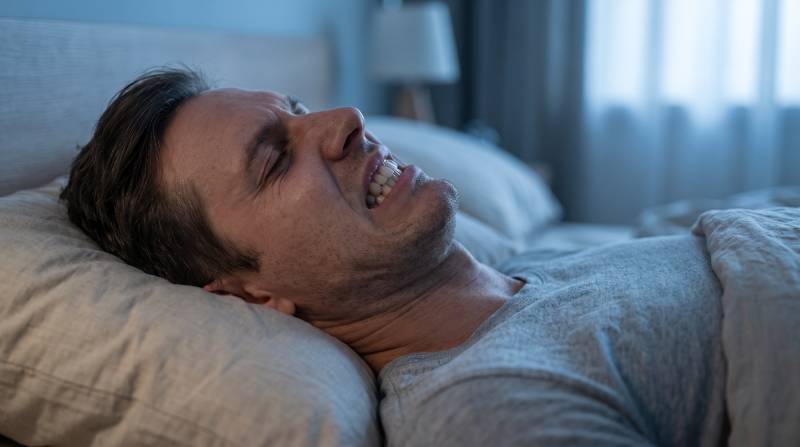
What Is Sleep Bruxism?
Sleep bruxism is a sleep-related movement disorder in which you forcefully clench your teeth or move and rub them together involuntarily while asleep, without realizing it.
Teeth grinding may involve clenching the teeth or holding the jaws tightly together. Its severity and frequency vary from person to person.
Repeated grinding places extra pressure on the teeth and jaw muscles. This may wear down the tooth enamel, increase tooth sensitivity, or cause cracks. It may also lead to jaw and facial pain and morning headaches.
Having bruxism does not necessarily mean that you have a serious problem. However, persistent symptoms require a dental examination to assess the condition and reduce complications.
What Are the Symptoms of Sleep Bruxism?
You may not notice that you clench your teeth while sleeping, but your body may show you through signs that appear when you wake up or during the day.
Common signs of bruxism include:
- Jaw pain when waking up: You may feel pain or stiffness in the jaw muscles, especially when trying to open your mouth or chew food.
- Morning headaches: You may sometimes have a headache around the temples because of continued strain on the jaw muscles.
- Tooth wear: You may notice changes in the shape of your teeth or small cracks caused by repeated rubbing.
- Tooth sensitivity: You may feel pain when drinking hot or cold beverages because of enamel wear.
- Facial and ear pain: Pain may spread to the cheeks or the area around the ear because of pressure on the jaw muscles and joint.
- Sleep problems: You may wake up several times during the night or feel that your sleep is not restful.
In some cases, someone sleeping near you may be the first person to notice the problem because they hear the sound of your teeth grinding.
What Causes Sleep Bruxism?
If you wonder why you clench your teeth so strongly while sleeping, it is useful to know that this condition is not linked to one factor only. It may result from a combination of psychological and physical factors and sleep disorders.
Common causes of bruxism include:
Stress, Anxiety and Psychological Pressure
Are you going through a stressful period or thinking constantly? This may appear during sleep as increased jaw muscle activity and involuntary teeth clenching.
Bruxism is linked to stress and anxiety, and it may become worse for some people during periods of psychological pressure or nervousness.
Sleep Disorders
Bruxism may be linked to sleep disorders such as obstructive sleep apnea, a condition in which breathing stops repeatedly for short periods during the night.
It may also occur along with snoring, repeated awakenings and poor sleep quality.
Genetic Factors
If someone in your family has bruxism, you may be more likely to develop it. Studies suggest that genetic factors may increase the likelihood of this condition.
Excessive Caffeine Intake and Smoking
Drinking too much coffee, tea or energy drinks, especially in the evening, may increase nervous system activity and affect sleep quality.
Smoking is also linked to a higher likelihood of bruxism. Some lifestyle habits may affect how severe the problem becomes.
Some Medications
Bruxism may be linked to the use of certain medications, including some antidepressants. If the problem began after you started a new medication, discuss it with your doctor. Do not stop taking the medication on your own.
How Can I Stop Grinding My Teeth While Sleeping?
Treatment for bruxism depends on its cause, severity and effect on the teeth and jaw muscles.
If you grind your teeth while sleeping, treatment aims to reduce pressure on the teeth, relieve muscle pain and address factors that trigger the problem.
Common treatment options include:
Using a Night Guard
A night guard is a common way to protect the teeth from damage caused by rubbing and pressure during sleep.
A dentist usually designs the device to fit the shape of your teeth. It is placed between the upper and lower teeth during sleep to reduce contact between them and protect them from wear and breakage.
A night guard protects the teeth from damage, but it does not necessarily treat the underlying cause of bruxism or stop it completely.
Reducing Stress and Anxiety
If stress triggers your bruxism, managing psychological pressure may help reduce the problem.
You can try habits such as:
- Practicing deep-breathing exercises before bed.
- Setting aside time to relax away from work-related pressure.
- Practicing yoga or meditation.
- Getting enough sleep.
- Asking a mental health professional for help if anxiety continues and affects your life.
Making Lifestyle Changes
Some daily changes may improve your sleep quality and reduce factors linked to bruxism, including:
- Reducing coffee, tea and energy drinks, especially in the evening.
- Avoiding smoking.
- Avoiding alcohol.
- Keeping regular sleep and wake times.
- Avoiding chewing gum for long periods, especially if you have jaw muscle strain.
Treating Sleep Disorders
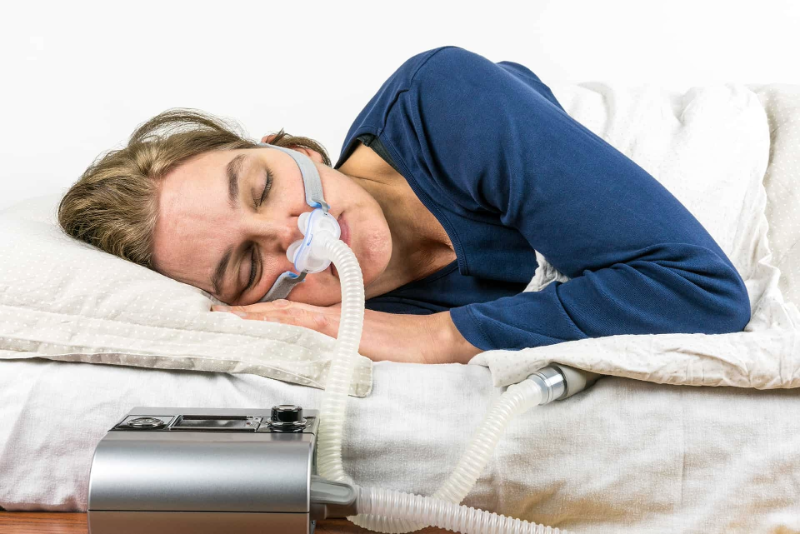
If bruxism is linked to sleep apnea or another sleep disorder, the problem should be diagnosed and treated.
A doctor may recommend a sleep evaluation to identify the cause and choose the right treatment. This may improve sleep quality and address factors linked to bruxism.
Treating Jaw Muscle Pain
If you have ongoing pain or spasms in the jaw muscles, your doctor may recommend supportive treatments such as physical therapy and jaw muscle relaxation exercises.
In some cases, medication may be used for a limited period to relieve pain or muscle spasms, based on your doctor’s assessment.
When Should You See a Doctor About Teeth Grinding?
Mild cases may not need extensive treatment, but certain signs require a dental visit, including:
- Repeated jaw or facial pain when waking up.
- Noticeable tooth wear or cracks.
- Increased tooth sensitivity without a clear cause.
- Difficulty opening the mouth or pain when chewing.
- Repeated morning headaches.
- Frequently hearing the sound of teeth rubbing together during sleep.
Your dentist may refer you to a sleep specialist if they suspect a problem such as sleep apnea.
Is Sleep Bruxism Dangerous?
Sleep bruxism is not dangerous in every case. However, if it continues or is severe, it may wear down or break the tooth enamel and increase tooth sensitivity. It may also cause jaw muscle pain and headaches. Early management can help prevent complications.
Can Sleep Bruxism Be Cured Permanently?
This depends on its cause. The problem may improve when triggers such as stress or sleep disorders are addressed. However, some cases require ongoing monitoring and use of a night guard to protect the teeth from damage.
Sleep bruxism may seem like nothing more than an involuntary habit, but over time it can affect your dental health, jaw muscles and sleep quality. Do not ignore jaw pain, morning headaches or signs of tooth wear. Work with your dentist to identify the cause and choose the right treatment, whether that involves a night guard, lifestyle changes or treatment for an associated sleep disorder.
If you still need a doctor’s consultation regarding this condition, you can easily book an appointment through Vezeeta.
Related Keywords

Specialized Doctors
ToothMate Dental
Dr. Mohamed Seleem ElAbd

Ahmed Mansour
Consultant of Endodontics and Cosmetic Dentistry - Member of The Royal Surgeons Collage -Edinburgh

Ahmed Askar
Specialist in prosthetics, implants and cosmetic dentistry
References
https://www.nhs.uk/symptoms/teeth-grinding/
https://www.mayoclinic.org/diseases-conditions/bruxism/symptoms-causes/syc-20356095
https://www.mayoclinic.org/diseases-conditions/bruxism/diagnosis-treatment/drc-20356100
https://medlineplus.gov/ency/article/001413.htm
https://my.clevelandclinic.org/health/diseases/10955-teeth-grinding-bruxism
Specialized Doctors
ToothMate Dental
Dr. Mohamed Seleem ElAbd
Ahmed Mansour
Consultant of Endodontics and Cosmetic Dentistry - Member of The Royal Surgeons Collage -Edinburgh
Ahmed Askar
Specialist in prosthetics, implants and cosmetic dentistry


