Is sleep apnea a psychological disorder?
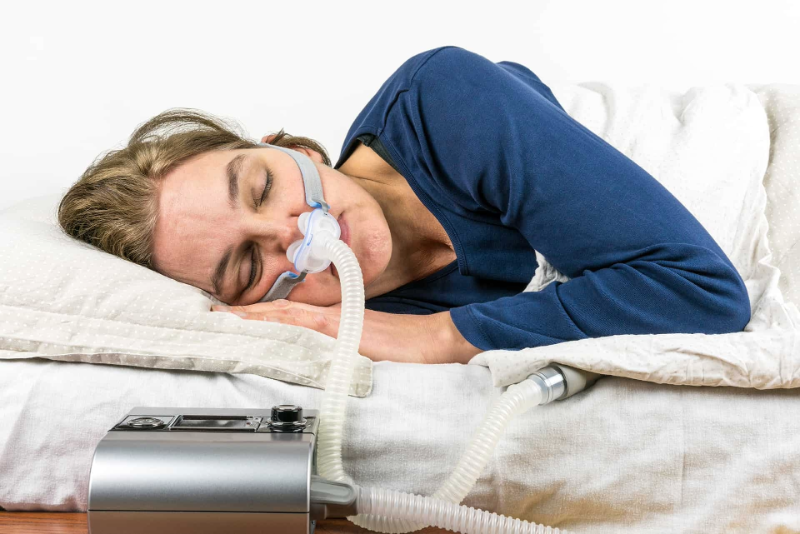
Do you feel exhausted and fatigued despite getting long hours of sleep? Do you wake up multiple times during the night without knowing why? Sleep apnea may be the hidden reason behind your chronic fatigue.
Let’s explore together the causes, symptoms, and treatment strategies for sleep apnea—along with effective medical devices that can help manage this condition.
What Is Sleep Apnea?
Sleep apnea is a serious sleep disorder where breathing repeatedly stops during sleep, prompting the brain to wake the person to restore breathing—causing sleep disruption and discomfort.
Sleep apnea affects around 5–10% of people globally and is classified into two main types:
- Obstructive Sleep Apnea (OSA): Caused by a blockage in the airway.
- Central Sleep Apnea (CSA): Caused by the brain failing to regulate breathing properly.
Though treatable, long-term untreated sleep apnea can lead to serious heart-related complications.
What are Symptoms of Sleep Apnea?
Sleep apnea symptoms vary but may include:
- Loud snoring
- Insomnia
- Dizziness and excessive daytime sleepiness (especially in severe cases)
- Mood swings, depression, or anxiety
- Morning fatigue despite sleeping long hours
- Cognitive issues like poor focus and memory loss
- Gasping or choking upon waking
- Disrupted breathing pattern—deepening and weakening until stopping for several seconds
- Headaches
- Night sweats
Note: There’s a difference between regular snoring (due to sleep position, obesity, or nasal/throat issues) and snoring caused by sleep apnea, which is louder and linked to brain or muscle dysfunction.
What are Symptoms of Sleep Apnea in Children?
Children may show different symptoms such as:
- Unusual sleep postures
- Bedwetting
- Loud snoring
- Acid reflux or digestive discomfort
- Hyperactivity or poor attention
- Difficulty swallowing
- Mouth breathing during the day
- Repeated leg or arm movement during sleep
- Night sweats
What are Stages of Sleep Apnea?
Sleep apnea is classified by severity:
- Mild: 5–15 episodes/hour
- Moderate: 15–29 episodes/hour
- Severe: 30 or more episodes/hour
What are Causes of Sleep Apnea?
Causes differ based on type:
Obstructive Sleep Apnea Causes:
- Relaxation of head and neck muscles, causing tissue collapse onto the airway
- Enlarged tonsils
Central Sleep Apnea Causes:
The brain fails to send proper signals to breathing muscles. Causes may include:
- Heart failure
- Low oxygen levels (e.g., high altitudes)
- Nervous system disorders (e.g., ALS, spinal cord or brainstem damage)
- Use of CPAP (Continuous Positive Airway Pressure) devices in some patients
- Psychological stress or anxiety
Mixed Sleep Apnea:
This type starts as obstructive and transitions into central apnea, especially during treatment.
Other Contributing Factors:
- Alcohol or smoking
- Large neck circumference
- Family history
What are Negative Effects of Sleep Apnea?
- Frequent night awakenings and poor sleep quality
- Mood disorders and unexplained emotional changes
- Daytime fatigue and sluggishness
- Increased risk of accidents (e.g., while driving) due to drowsiness
Who’s at Risk?
Sleep apnea can affect anyone, but risk increases with:
- Obstructive Sleep Apnea:
- Age (men under 50; women over 50)
- Obesity
- Darker skin tone
- Central Sleep Apnea:
- Age over 60
- Living at high altitudes
- Heart conditions (e.g., atrial fibrillation, heart failure)
- Use of opioid pain medications
- Prior CPAP therapy
How is Sleep Apnea Diagnosed?
Patients often don’t notice their condition—it’s usually detected by others.
Diagnostic Methods:
- At-Home Sleep Apnea Test: Evaluates sleep patterns at home. Not suitable for complex or central cases.
- In-Lab Polysomnography: Done in a sleep center with monitoring devices for oxygen levels, heart rate, brain waves, and breathing. Useful for diagnosing severe or unclear cases.
What is the Sleep Apnea Treatment?
Sleep apnea is chronic but manageable. Treatment depends on type and severity and often requires daily use.
1. Home Remedies:
- Change sleep position (avoid sleeping on the back) with the help of soft, supportive pillows
- Lose excess weight
- Adjust medications that may cause apnea
- Treat underlying health issues
- Use nasal sprays or nasal strips
- Avoid alcohol, smoking, sleeping pills, and sedatives
2. Medical Devices:
- CPAP (Continuous Positive Airway Pressure): Delivers pressurized air through a mask to keep the airway open.
- Oral Appliances: Custom mouthpieces to keep the jaw and tongue in position and reduce airway pressure.
- Nerve Stimulators:
- Devices that stimulate the hypoglossal nerve (tongue control) or diaphragm nerves
- Help prevent airway collapse during sleep
3. Surgical Treatments:
- Tonsillectomy: Especially effective in children
- Septoplasty: Corrects nasal passage
- Jaw Surgery: For structural jaw issues
- Uvulopalatopharyngoplasty (UPPP): Removes parts of the uvula and pharynx
- Tracheal Reconstruction (Radiofrequency): Removes upper tracheal tissue to widen the airway
4. Medications:
Used mainly for central sleep apnea; examples include acetazolamide and triazolam.
5. Psychological Therapy:
Stress and anxiety may trigger or worsen apnea. Therapy helps improve emotional stability, sleep hygiene, and includes:
- Relaxation techniques
- Anger management
- Sleep behavior therapy
What are Risks of Untreated Sleep Apnea?
Sleep apnea can be life-threatening, especially if the brain fails to signal breathing resumption.
Major Risks:
- Irregular heartbeat, atrial fibrillation, heart attacks, or stroke
- Heart muscle damage or heart failure
- Sudden cardiac death due to severe arrhythmias
- Drowsiness-related accidents
What are Risks of Untreated Sleep Apnea for Pregnant Women?
Hormonal changes during pregnancy may increase sleep apnea risk, leading to:
- High blood pressure
- Preterm birth
- Low birth weight
- Gestational diabetes
- Need for cesarean delivery
CPAP is considered a safe treatment during pregnancy.
Conclusion:
Sleep apnea can be managed through medical strategies and devices, but ignoring it poses serious health risks. Don’t hesitate to seek medical advice and find the most suitable treatment based on your type and severity of sleep apnea.
If you still need to consult a doctor regarding this condition, you can easily book an appointment through Vezeeta
Related Keywords
Specialized Doctors



References
- American Academy of Sleep Medicine (AASM). (2023). Sleep Apnea. Retrieved from https://aasm.org/
- Mayo Clinic. (2024). Sleep Apnea: Symptoms and Causes. Retrieved from https://www.mayoclinic.org/
- National Heart, Lung, and Blood Institute (NHLBI). (2023). Sleep Apnea. Retrieved from https://www.nhlbi.nih.gov/
- Cleveland Clinic. (2024). Sleep Apnea Overview. Retrieved from https://my.clevelandclinic.org/
- World Health Organization (WHO). (2023). Sleep disorders and health risks. Retrieved from https://www.who.int/
Specialized Doctors