Oral Thrush Treatment: Medical and Home Remedies
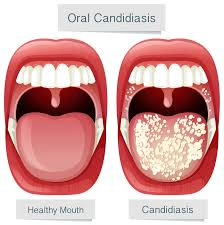
Oral fungus is one of the most common fungal infections that can affect anyone, but it is more prevalent among the elderly, children, people with diabetes, and those with weakened immune systems. The treatment for oral fungus depends on the patient’s age, the extent of the infection, and its underlying causes.
In this article, we will highlight everything related to the treatment options, causes, and effective preventive tips that help boost immunity and reduce the risk of infection.
What Is Oral Fungus?
Oral fungus is a fungal infection caused by Candida, a type of yeast that normally lives in small amounts on the skin, in the mouth, and in the intestines. Under certain conditions, it can grow excessively and cause infection.
While it can affect anyone, it is more active in those with compromised immunity, such as infants, children, and the elderly.
Other common names for this condition include:
- Oral candidiasis
- Thrush
- Oral yeast infection
What isTreatment for Oral Fungus?
Treatment for oral fungus in children or otherwise healthy adults usually involves antifungal medications along with some effective home remedies. Managing oral fungus in immunocompromised patients requires more time and care.
Over-the-Counter Treatment
Antifungal medications come in various forms. The doctor will choose the appropriate form based on the patient's age, the site and extent of the infection, and the underlying cause. Treatment usually lasts about 7 to 14 days and may include:
- Nystatin
- Miconazole
- Clotrimazole
- Fluconazole – used in more advanced cases
Oral Fungus Gel for Infants and Adults
This is one of the most commonly used treatments and is suitable for all age groups. It is easy to apply and widely available.
Oral Fungus Spray for Children
Some may not tolerate topical creams, making liquid sprays an ideal solution. Sprays can reach deeper areas of the mouth that gels may miss and are easier to apply to infants.
Lozenges
Many prefer lozenges over topical treatments, especially for children.
Oral Tablets
These have a systemic effect and are suitable for adults and the elderly, particularly in cases of widespread fungal infection.
How to Treat Oral Fungus at Home?
You can treat oral fungus at home using simple remedies, including:
- Brushing teeth and cleaning the mouth regularly
- Eating probiotic-rich foods (e.g., yogurt) to support immune function and restore balance in the mouth
- Regularly cleaning and disinfecting removable dentures and removing them before sleeping
- Rinsing the mouth with a solution of half a teaspoon of baking soda in a cup of warm water
- Using a saltwater rinse (½ tsp salt in a cup of water)
- Rinsing the mouth with a mixture of one teaspoon of apple cider vinegar in a cup of water
- Rinsing the mouth after using steroid inhalers
Treating Oral Fungus in Infants
Treating oral fungus in infants may involve both the baby and the mother. Key steps include:
- Giving the infant antifungal medications as prescribed
- Sterilizing bottles, pacifiers, and breast pump parts regularly in boiling water for 10 minutes
- Washing hands before touching the baby or feeding items
- Applying antifungal cream to the mother’s nipples between feeds and ensuring it’s removed before nursing
- Washing the nipples with water after feeding and allowing them to dry
- Limiting each feeding session to no more than 20 minutes to avoid oral discomfort
- Using nursing pads to prevent fungal spread to clothing, changing them regularly, and changing bras daily
What Does Oral Fungus Look Like?
The appearance of oral fungus varies based on the type of infection. Affected areas may appear white or red:
- Slightly raised white patches that resemble cottage cheese
- Creamy white coating on the tongue, inside of the cheeks, or other parts of the mouth, which can be scraped off, sometimes causing bleeding
- Red, painful sores in the mouth accompanied by burning and discomfort when eating or swallowing
- Red ulcers near the edges of dentures
- Loss or dulling of taste
- Cotton-like sensation in the mouth
- Cracks at the corners of the mouth
- Hard plaques on the tongue or mouth that can’t be removed – often seen in immunocompromised patients (e.g., HIV/AIDS)
Oral Fungus in Infants
The symptoms in infants are similar to those in older children and adults but often include difficulty nursing or latching onto the breast.
In many cases, the infection can be passed back and forth between the infant and the mother. Symptoms in the mother may include:
- Breast and nipple pain during or after breastfeeding
- Cracked or red nipples
- Flaking of the dark skin around the nipple (areola)
What Causes Oral Fungus?
As previously mentioned, Candida lives in the body in small, harmless amounts. But under certain circumstances, it can overgrow and cause infection. Common causes include:
- Disruption of the balance of beneficial bacteria and weakened immunity due to medications like steroids, immunosuppressants, and antibiotics
- Hormonal changes during pregnancy or when using birth control pills
- Immunocompromising illnesses such as HIV/AIDS or cancer
- Poorly fitting dentures
- Smoking
- Dry mouth
- Undergoing chemotherapy or radiation
- Weakened immunity, as seen in infants and the elderly
- Uncontrolled diabetes, which increases sugar levels in saliva and promotes fungal growth
Is Oral Fungus Contagious?
Oral fungus is not typically contagious from person to person. However, Candida can be transmitted through direct contact with infected saliva.
What Happens If Oral Fungus Is Left Untreated?
In healthy individuals, oral fungus usually isn’t dangerous. But in people with compromised immune systems, the infection can spread to other parts of the body such as the esophagus, lungs, liver, or vagina.
What are Top Tips to Prevent Oral Fungus?
To reduce your risk of developing oral fungus, consider these precautions:
- Maintain good oral hygiene and brush your teeth regularly
- Follow a healthy diet and avoid excessive sugar intake
- If you have diabetes, take your medications as prescribed and follow a proper diet to control blood sugar. Also, visit the dentist regularly
- Clean and remove dentures before sleeping; consult your dentist if any changes are noticed
- Avoid dry mouth or treat it if present
Conclusion
Effectively treating oral fungus—whether through medical treatment or home remedies—is essential. Prevention through proper oral hygiene, healthy nutrition, and regular cleaning of dental tools greatly reduces your chances of getting infected.
If you still need to consult a doctor regarding this condition, you can easily book an appointment through Vezeeta
Related Keywords
Specialized Doctors

Heba Hassan Hadhoud
Specialist in oral and dental medicine, implants, root canal treatment, gum implants and surgeries, and dental plastic surgery

ToothMate Dental
Dr. Mohamed Seleem ElAbd

Mostafa Elkhashab
Dental implants and cosmetic dentistry
References
World Health Organization (WHO) . Oral Health: Fungal Infections Overview
https://www.who.int/news-room/fact-sheets/detail/oral-health
Centers for Disease Control and Prevention (CDC) . Candida Infections of the Mouth, Throat, and Esophagus
https://www.cdc.gov/fungal/diseases/candidiasis/thrush
Mayo Clinic . Oral Thrush (Oral Candidiasis): Symptoms and Treatment
https://www.mayoclinic.org/diseases-conditions/oral-thrush
Cleveland Clinic . Oral Thrush: Symptoms, Causes, and Treatment
https://my.clevelandclinic.org
WebMD . Oral Thrush: Causes, Symptoms, and Treatments
https://www.webmd.com/oral-health/guide/oral-thrush
Specialized Doctors
Heba Hassan Hadhoud
Specialist in oral and dental medicine, implants, root canal treatment, gum implants and surgeries, and dental plastic surgery
ToothMate Dental
Dr. Mohamed Seleem ElAbd
Mostafa Elkhashab
Dental implants and cosmetic dentistry