What is Adrenaline (the Stress and Fear Hormone), Its Importance, and Its Side Effects?
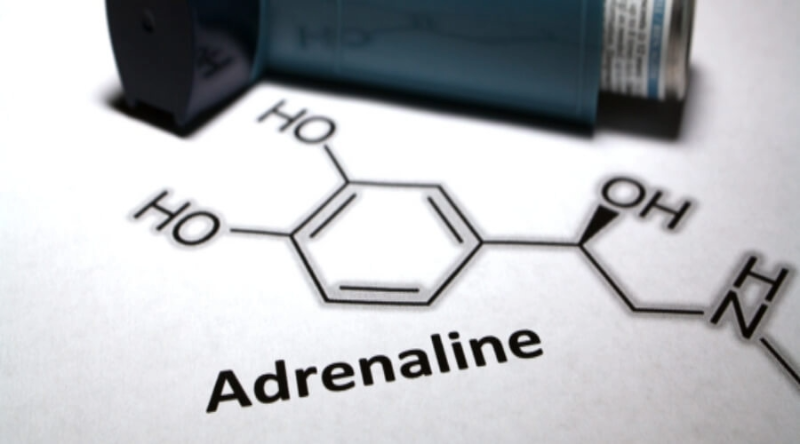
Adrenaline, also known as epinephrine or the hormone of excitement and stimulation, is one of the most powerful chemical compounds produced by the human body. But what’s the story behind this hormone that ignites our senses and pushes us to achieve the impossible?
What Is Adrenaline?
Adrenaline (epinephrine) is a chemical substance secreted by the adrenal glands, located above the kidneys. It plays a vital role in the human body.
It is part of the body’s emergency response system and is released in situations of stress, threat, or excitement.
Additionally, adrenaline plays a major role in the response to fear, stress, and emotional stimulation. It can have strong physical and emotional effects such as increased heart rate, nervous tension, and anxiety.
What Does Adrenaline Do in the Body?
Adrenaline affects multiple systems in the body. The most important functions include:
- Stimulating the heart: It increases heart rate and the strength of heart contractions, boosting blood flow to the organs and delivering oxygen and nutrients needed for physical effort.
- Raising blood pressure: It dilates blood vessels in the muscles and constricts them in the skin and intestines, increasing blood pressure and blood flow to critical muscles.
- Increasing breathing rate: Adrenaline expands the airways, increasing oxygen intake for physical activity.
- Raising blood sugar: It stimulates the liver to convert glycogen into glucose, providing quick energy to muscles.
- Enhancing alertness and mood: As a natural stimulant for the central nervous system, it boosts concentration, awareness, and mental clarity.
What are Symptoms of High Adrenaline Levels?
When adrenaline levels rise in the blood, the following symptoms may occur:
- Increased heart rate
- Rapid breathing
- Heightened focus and awareness
- Reduced sensitivity to pain in fearful situations
- Boost in physical energy and strength
- Pupil dilation
- Increased alertness
- Feeling anxious or under pressure
- Pale skin
- Slowed digestion
- Elevated blood sugar
- Constant feeling of readiness
What are the Causes of High Adrenaline?
Several factors trigger the release and elevation of adrenaline in the body, such as:
- Engaging in extreme sports (e.g., mountain climbing, skydiving)
- Experiencing a panic or anxiety attack
- Facing danger or threats
- Watching horror movies
- Feeling stressed or anxious
- Taking exams
- Exposure to intense psychological stress
What are Symptoms of Adrenaline Deficiency?
Adrenaline deficiency, also known as Addison’s Disease, occurs when the adrenal glands fail to produce enough hormones, including cortisol. Symptoms include:
- Chronic fatigue
- Depression
- Muscle weakness
- Appetite loss
- Weight loss
- Abdominal pain
- Low blood sugar
- Migraines
- Darkened skin
- Vomiting and diarrhea
- Low blood pressure
- Irregular menstrual cycles in women
How to Control Adrenaline Levels?
Since fear, anxiety, and stress are key triggers of adrenaline, managing these emotions can help regulate its levels. Useful strategies include:
- Deep breathing exercises
- Practicing yoga
- Taking walks in nature
- Listening to calming music
- Avoiding noise and chaos
- Talking with supportive people
- Following a healthy, light diet
What are Side Effects and Risks of Excess Adrenaline?
Although adrenaline is vital for responding to challenges, excessive or prolonged exposure can have negative effects, such as:
- High blood pressure: Due to constant narrowing of blood vessels
- Heart issues: Overstimulating the heart may increase the risk of cardiovascular disease
- Nervous system effects: Can cause anxiety and psychological disorders if constantly elevated
- Digestive problems: May lead to cramps, nausea, vomiting, or diarrhea
- Sleep disturbances: May result in insomnia or disrupted rest
- Weakened immunity: Long-term elevation can reduce immune response, increasing vulnerability to illness
Adrenaline and Fear
Adrenaline is released as a natural response to fear or danger. In threatening situations—like escaping an attacking animal or dodging a speeding car—the adrenal glands release adrenaline to prepare the body for immediate action.
It strengthens the heart, increases heart rate, opens airways for better oxygen supply, and redirects blood flow to essential muscles.
Is Adrenaline a Happiness Hormone?
Adrenaline increases physical energy and influences mood, but it’s not the main hormone responsible for happiness. That title goes to serotonin, which is primarily produced in the gut and central nervous system.
How Long Does an Adrenaline Rush Last?
It depends on the cause. In temporary situations (e.g., a scare or short-term stress), adrenaline levels return to normal within minutes. In crises, the rush may last up to an hour. However, chronic stress can cause prolonged stimulation of the nervous system, with long-term negative effects.
Conclusion
Adrenaline affects both the body and mind. It symbolizes energy and motivation, giving us the power to act in critical moments. When adrenaline rises, we may feel stronger and more mentally driven—but it’s important to keep levels within a healthy range to avoid side effects.
If you still need to consult a doctor regarding this condition, you can easily book an appointment through Vezeeta
Related Keywords
Specialized Doctors

Amira Gamea
Consultant in general internal medicine, diabetes and gastroenterology at Police Authority Hospitals

ahmed samir
Consultant in Internal Medicine

Wael Ahmed
Senior Consultant in Gastroenterology, Hepatology, Diabetes, and Endocrinology. PhD in Internal Medicine, Gastroenterology, and Hepatology.
References
Mayo Clinic – Adrenaline: What it is and how it works.
https://www.mayoclinic.org/tests-procedures/adrenaline/about/pac-20384639
Cleveland Clinic – Understanding adrenaline and its effects.
https://my.clevelandclinic.org/health/articles/21956-adrenaline
Healthline – What is adrenaline and what does it do?
https://www.healthline.com/health/adrenaline
Britannica – Epinephrine (Adrenaline).
https://www.britannica.com/science/epinephrine
Specialized Doctors
Amira Gamea
Consultant in general internal medicine, diabetes and gastroenterology at Police Authority Hospitals
ahmed samir
Consultant in Internal Medicine
Wael Ahmed
Senior Consultant in Gastroenterology, Hepatology, Diabetes, and Endocrinology. PhD in Internal Medicine, Gastroenterology, and Hepatology.