Brain Tumor Symptoms: When Is a Headache a Real Warning Sign?
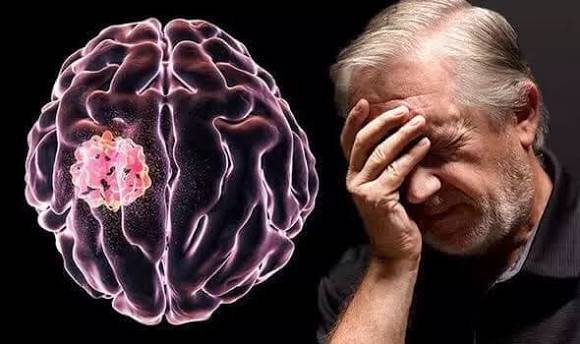
What Is a Brain Tumor?
A brain tumor is an abnormal growth of cells in or around the brain. It is classified into two main types: a primary tumor, which originates in brain cells, and a secondary (metastatic) tumor, which spreads to the brain from another organ such as the lungs or breast. Primary tumors can be either benign (non-cancerous) or malignant (cancerous). Notably, about two-thirds of primary brain tumors are benign — yet even a non-cancerous tumor can cause serious symptoms if it grows large enough to press on surrounding brain tissue.
Common Brain Tumor Symptoms
The symptoms of a brain tumor vary widely depending on the tumor's location in the brain and its size. The most common symptoms include:
- Persistent headaches: Especially if they are worse early in the morning, wake the person from sleep, or become more severe when coughing or bending over. This type of headache may indicate increased pressure inside the skull caused by the tumor.
- Nausea and vomiting: These may occur suddenly and often accompany severe headaches, particularly in the morning.
- Seizures: In some cases, seizures are one of the earliest warning signs. They may be mild, such as twitching in one limb, or more widespread, resembling focal seizures that affect a specific area of the brain.
- Vision changes: These may include blurred vision, double vision, or partial loss of vision, depending on which part of the brain is affected.
- Weakness on one side of the body: This may begin subtly and gradually progress to partial paralysis affecting one side of the body.
- Difficulty speaking or understanding others: This can occur when the tumor is located near the brain's language centers.
- Personality or mood changes: Family members or close friends may notice these changes before the patient does. They can include increased aggression, sudden depression, or loss of initiative.
- Problems with balance and walking: These are common when the tumor affects the cerebellum.
Causes and Risk Factors
Scientists are still investigating the root cause of brain tumors. What is established is that a tumor develops when specific genes in brain cells are damaged and those cells begin dividing uncontrollably. Known risk factors include exposure to high doses of radiation and a family history of certain rare inherited syndromes such as neurofibromatosis. Extensive mobile phone use has not been confirmed as a direct cause by current research.
Brain tumors are slightly more common in males, except for meningioma — the most common benign primary brain tumor — which occurs at a higher rate in females.
How Is a Brain Tumor Diagnosed?
If you describe brain tumor symptoms to your doctor, they will start with a neurological examination to assess your reflexes, balance, muscle strength, and vision. The next step is usually an MRI scan, which provides a detailed image of the tumor's location and size. In some cases, a CT scan is used as an alternative, and a tissue biopsy may be taken to confirm the tumor's type and grade.
Brain Tumor Treatment Options
Treatment depends on the type, location, and size of the tumor, as well as the patient's age and overall health. Surgery is the primary treatment option in most cases and aims to remove the tumor completely or reduce its size. It may be followed by one or more of the following therapies:
- Radiation therapy: Uses high-energy radiation to destroy tumor cells.
- Chemotherapy: Anti-cancer medications given orally or intravenously to kill remaining cancer cells or slow their growth.
In some cases, particularly with small tumors that are not causing symptoms, the doctor may recommend regular monitoring with periodic imaging instead of immediate treatment.
When Should You See a Doctor?
Do not wait for symptoms to accumulate. Seek medical attention promptly if you experience any of the following:
- A new or unusual headache, especially if it gradually worsens or wakes you from sleep.
- A seizure occurring for the first time in your life.
- Unexplained weakness in an arm, hand, leg, or foot.
- New vision problems or difficulty speaking.
- Noticeable changes in personality or behavior observed by those around you.
These symptoms do not necessarily indicate a brain tumor, but early evaluation is essential regardless of the cause. Brain tumor symptoms can resemble those of many other medical conditions, so it is important not to self-diagnose and to seek assessment from a qualified healthcare professional.
In conclusion, the symptoms of a brain tumor can vary significantly from one person to another depending on the tumor's location, size, and rate of growth. Therefore, persistent symptoms such as recurrent headaches, vision problems, seizures, or difficulties with movement and balance should not be ignored. Although these symptoms do not necessarily indicate a brain tumor, their persistence or worsening warrants a medical evaluation to undergo the appropriate tests and obtain an accurate diagnosis.
If you still need to consult a doctor regarding this condition, you can easily book an appointment through Vezeeta.
Related Keywords


Specialized Doctors

Mohamed Abd Elhamed Hefny
Consultant in Oncology ,Hematology and Nuclear Medicine, Al-Azhar Medicine

Abdelhaleem Mahmoud Eisa
Oncology Consultant

Ahmed Ashour
Lecturer Clinical Oncology Faculty of Medicine Alexandria University
References
- https://my.clevelandclinic.org/health/diseases/6149-brain-cancer-brain-tumor
- https://www.healthline.com/health/brain-tumor
- https://www.webmd.com/cancer/brain-cancer/brain-tumors-in-adults
Specialized Doctors
Mohamed Abd Elhamed Hefny
Consultant in Oncology ,Hematology and Nuclear Medicine, Al-Azhar Medicine
Abdelhaleem Mahmoud Eisa
Oncology Consultant
Ahmed Ashour
Lecturer Clinical Oncology Faculty of Medicine Alexandria University