Vagus nerve (vagal nerve) symptoms: does it cause dizziness? | Vezeeta
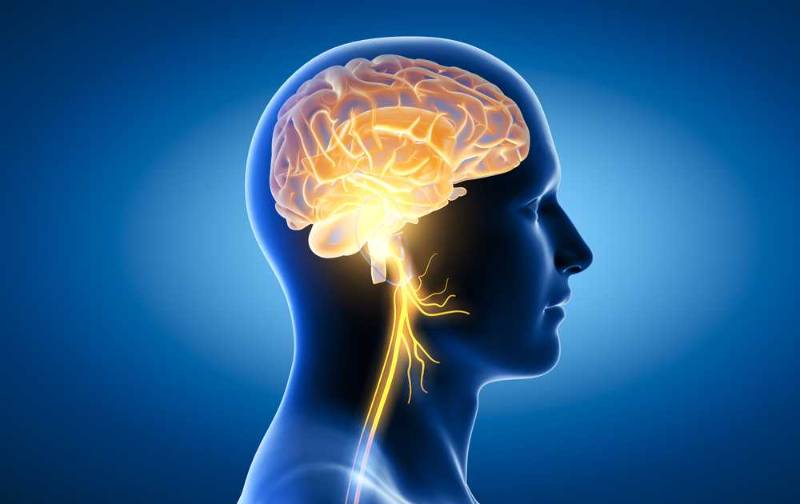
What is the vagus nerve?
The vagus nerve, also known as the “Vagus Nerve,” is one of the autonomic nerves and belongs to the parasympathetic nervous system, which is responsible for reducing stress and calming the body after any event.
The vagus nerve controls involuntary functions such as digestion, breathing, and sweating, as it carries nerve signals from the brain to the organs to carry out their functions.
The vagus nerve is also known as the tenth cranial nerve, and it is the longest cranial nerve. It makes up about 75% of the parasympathetic nervous system.
What is the role of the tenth nerve?
The vagus nerve plays a major role in many involuntary body functions and can be described as the “nerve of rest.” Its function is associated with internal body processes during relaxation and rest.
The vagus nerve regulates the following functions:
- Breathing rate
- Taste and speech
- Digestion
- Saliva and mucus secretion
- Urination
- Heart rate
- Sensory perception in skin and muscles
- Immune response
- Mood improvement
Based on this, the vagus nerve has been linked to helping manage certain conditions by counteracting the effects of the sympathetic nervous system.
Vagus nerve stimulation benefits
Vagus Nerve Stimulation (VNS) is a medical procedure used in specific cases such as epilepsy and treatment-resistant depression. It is usually performed through a small device implanted under the skin in the chest, connected by a wire to the vagus nerve in the neck, delivering mild electrical impulses that help regulate nervous system activity and reduce abnormal neural overactivity.
Its main benefits include:
- Reducing seizures in patients who do not respond adequately to medication
- Improving symptoms of treatment-resistant depression in some cases
- Helping improve mood stability in some patients
- Reducing the severity and frequency of certain neurological symptoms by calming excessive neural activity
What are the symptoms of vagus nerve dysfunction?
Vagus nerve dysfunction affects its functions, leading to various symptoms in different parts of the body.
Gastrointestinal symptoms
Since the vagus nerve is a key regulator of the digestive system, damage may lead to:
- Difficulty swallowing
- Bloating
- Acid reflux
- Abdominal pain
- Loss of appetite
- Nausea or vomiting
- Early satiety
- Loss of gag reflex
- Gastroparesis (slow stomach emptying)
General body symptoms
- Irregular heart rate
- Blood pressure or blood sugar fluctuations
- Hoarseness or voice changes
- Dizziness
- Unexplained weight loss
- Fainting
- Mood changes
Can the vagus nerve cause dizziness?
The vagus nerve may contribute to dizziness in some cases, such as vasovagal syncope, where a sudden drop in blood pressure and heart rate occurs due to an exaggerated nervous response. This may lead to dizziness or fainting in some individuals.
What health problems are related to the vagus nerve?
Some health issues may be associated with vagus nerve dysfunction, which affects many vital body functions.
Possible conditions include:
- Gastroparesis
- Vasovagal syncope
Research is also ongoing regarding its role in headaches, mental health, and Alzheimer’s disease.
Gastroparesis
Gastroparesis is a condition similar to paralysis of the stomach, caused by dysfunction or damage to the vagus nerve, leading to reduced stomach muscle contractions and delayed digestion.
Vasovagal syncope
As mentioned earlier, this is a condition in which a person experiences dizziness or fainting due to a sudden drop in blood pressure caused by excessive vagus nerve activity triggered by factors such as heat, hunger, stress, pregnancy, pain, or heart rhythm changes.
Heart rate disturbances
The type of disturbance depends on the nature of the nerve dysfunction. Damage may increase heart rate, while excessive vagal stimulation may significantly slow it down, causing dizziness.
Causes of vagus nerve dysfunction
The most common causes include viral infections or physical and psychological stress. Other causes may include:
- Diabetes
- Scleroderma
- Abdominal surgery
How is the vagus nerve examined?
Diagnosis may involve several tests, including:
- Echocardiogram to assess heart function
- CT or MRI scans to detect abdominal or intestinal issues
- Endoscopy of the digestive tract
- Gastric emptying test to measure how long food stays in the stomach
- Blood pressure measurement
- Gag reflex test to assess vagus nerve function
Treatment of vagus nerve dysfunction
Treatment depends on the underlying condition.
For gastroparesis:
- Avoid foods that delay stomach emptying and increase fiber and fluids
- Electrical stimulation of stomach muscles
- Medications for nausea and pain
- IV nutritional support in severe cases
- Gastric decompression procedures
For vasovagal syncope:
- Avoid medications that lower blood pressure
- Increase salt intake
- Use medications to raise blood pressure if needed
- Wear compression stockings to improve blood circulation
Is the vagus nerve dangerous?
The vagus nerve plays an essential role in regulating vital body functions. Dysfunction itself is not usually dangerous, but severity depends on the underlying cause and symptoms. In some cases, it may lead to heart or digestive complications if untreated.
Conclusion
The vagus nerve is one of the most important nerves in the body due to its control over many involuntary functions. When it is affected, various symptoms may appear, differing in severity from one person to another. Some conditions may be managed through vagus nerve stimulation.
If you still need medical advice regarding this condition, you can easily book an appointment through Vezeeta.
Related Keywords






References
https://my.clevelandclinic.org/health/body/22279-vagus-nerve
https://www.mayoclinic.org/tests-procedures/vagus-nerve-stimulation/about/pac-20384565
https://pmc.ncbi.nlm.nih.gov/articles/PMC5859128/
https://www.massgeneral.org/news/article/vagus-nerve
https://www.psychologytoday.com/us/basics/vagus-nerve