After Cholecystectomy: How Your Body Changes and How to Recover
What Is a Cholecystectomy?
The gallbladder is a small, pear-shaped organ tucked beneath the liver. It stores bile — a digestive fluid produced by the liver that helps break down fats. When gallstones, chronic inflammation, or other gallbladder diseases cause persistent problems, surgical removal becomes the most effective solution. After the gallbladder is removed, bile flows directly from the liver to the small intestine without stopping to be stored.
Types of Cholecystectomy
There are two main approaches, and the surgeon chooses based on the patient's condition:
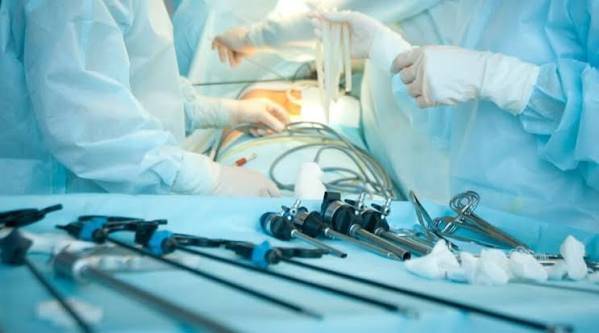
Laparoscopic Cholecystectomy: The standard and most common approach today. The surgeon makes 3-4 small incisions in the abdomen, then inserts a tiny camera (laparoscope) and slender surgical instruments. The gallbladder is viewed on a monitor and removed without opening the abdomen. Recovery is significantly faster.
Open Cholecystectomy: Requires a single larger incision of about 4-6 inches beneath the right ribs. Surgeons use this approach when inflammation is severe or when laparoscopic visibility is limited. Hospital stay after open surgery typically lasts 2-3 days, and full recovery takes longer.
A laparoscopic procedure usually takes 60-90 minutes; open surgery takes approximately one to two hours.
What is the difference between laparoscopic and open cholecystectomy?
Laparoscopic surgery uses small incisions, causes less pain, and has a faster recovery. Open surgery involves a larger incision and a longer recovery period. The surgeon decides which approach is appropriate based on each patient's condition.
When Is Cholecystectomy Needed?
Gallstones causing repeat painful episodes are the most common reason. Other conditions that may require surgical removal include:
• Acute or chronic cholecystitis that does not respond to medication.
• Blockage of the bile ducts, preventing bile from draining normally.
• Gallbladder cancer or suspected malignancy.
• Pancreatitis triggered by gallstones.
Gallstones that cause no symptoms rarely need surgery. However, once they begin causing repeated attacks, cholecystectomy becomes the most reliable preventive treatment.
Recovery After Cholecystectomy
After a laparoscopic procedure, many patients go home the same day or the following day. Full recovery takes about two weeks. Recovery after open surgery extends to six to eight weeks.
On the dietary side, doctors recommend starting with light, easily digestible foods and avoiding fatty or heavy meals for the first few weeks. The digestive system needs time to adapt to the new bile pathway. The vast majority of patients return to a normal, varied diet once recovery is complete.
Short-term side effects such as diarrhea, bloating, or nausea are common and usually resolve on their own. In rare cases, a small number of people experience longer-lasting symptoms — a condition sometimes called post-cholecystectomy syndrome — which requires specialist follow-up.
When Should You Call Your Doctor After Surgery?
A scheduled follow-up appointment is required a few weeks after the procedure. Contact your doctor immediately if you notice:
• Fever above 38°C (101°F).
• Increasing pain or abnormal swelling around the incision.
• Jaundice (yellowing of the skin or whites of the eyes).
• Persistent nausea or vomiting that does not settle.
• Dark-colored urine or pale-colored stools.
Is cholecystectomy a dangerous operation?
It is a very safe procedure performed successfully on thousands of patients every year. As with any surgery, rare complications such as bleeding or bile leakage can occur, but they are uncommon.
How long does recovery from cholecystectomy take?
Most patients recover from laparoscopic surgery within two weeks and return to work within 7-10 days. Open cholecystectomy may require up to six weeks for full recovery.
In conclusion, gallbladder removal is a common and safe procedure that relieves symptoms and improves the quality of life for most patients. Following your doctor's instructions and maintaining an appropriate diet after surgery can help speed recovery, while any unusual symptoms should be evaluated promptly by a healthcare provider.
If you still need to consult a doctor regarding this condition, you can easily book an appointment through Vezeeta.
Related Keywords
Specialized Doctors
محمد رفاعي
أخصائى الجراحه العامه - و حاصل على زماله الكلية الملكية للجراحين بلندن

أيمن عبد المهيمن
استشاري و أستاذ م جراحة الأورام والجراحة العامة بكلية طب جامعة الأزهر

خالد عبدالمولى
استشاري الجراحة العامة و جراحة الاورام و جراحات المناظير و جراحات السمنة
References
- https://www.nhs.uk/tests-and-treatments/gallbladder-removal/
- https://my.clevelandclinic.org/health/procedures/21614-gallbladder-removal
- https://www.healthdirect.gov.au/cholecystectomy
Specialized Doctors
محمد رفاعي
أخصائى الجراحه العامه - و حاصل على زماله الكلية الملكية للجراحين بلندن
أيمن عبد المهيمن
استشاري و أستاذ م جراحة الأورام والجراحة العامة بكلية طب جامعة الأزهر
خالد عبدالمولى
استشاري الجراحة العامة و جراحة الاورام و جراحات المناظير و جراحات السمنة