Medical Articles about General Surgery
Anal Fissure: Causes, Treatment, and When Surgery Becomes Necessary
You might notice that going to the bathroom isn't as simple as it used to be. Every time you try to have a bowel movement, there's a sudden, sharp pain. A burning sensation lingers afterward. Maybe you spot bright red blood on the toilet paper. These signs could point to an anal fissure, a condition closely tied to constipation and hard stools. But can it heal by itself? And when do medications stop working, making laser treatment or surgery the next step? That's exactly what we'll cover here.

After Cholecystectomy: How Your Body Changes and How to Recover
Deciding to have your gallbladder removed is not easy, but for many people it is the only option that truly ends months or years of recurring pain. Cholecystectomy is one of the most commonly performed surgical procedures in the world, and surgeons carry it out successfully every day. The good news: you can live a completely healthy life without a gallbladder. Your body is remarkably capable of adapting, and digestion continues to function well once the adjustment period is over.
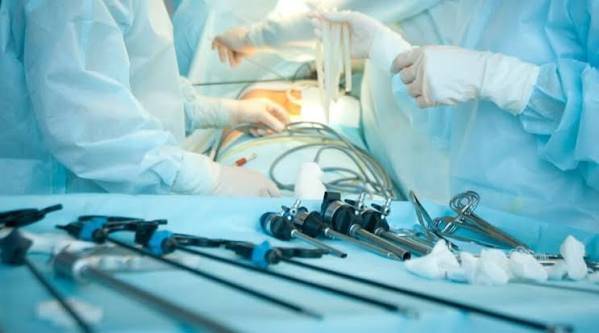
What are the symptoms of Appendicitis, and how dangerous is it?
It often starts with mild pain around the navel, then suddenly turns into a sharp stabbing pain in the lower right abdomen. This pattern is not a coincidence—it is the classic hallmark of Appendicitis, a medical emergency that requires prompt action. Appendicitis can affect anyone at any age, but it is more common during adolescence and young adulthood. In this article, you will learn about the symptoms of Appendicitis, its causes, how it is diagnosed and treated, and when delayed treatment can become life-threatening.

Lipoma (Fatty Cyst): Causes, Locations, Symptoms, and Treatment
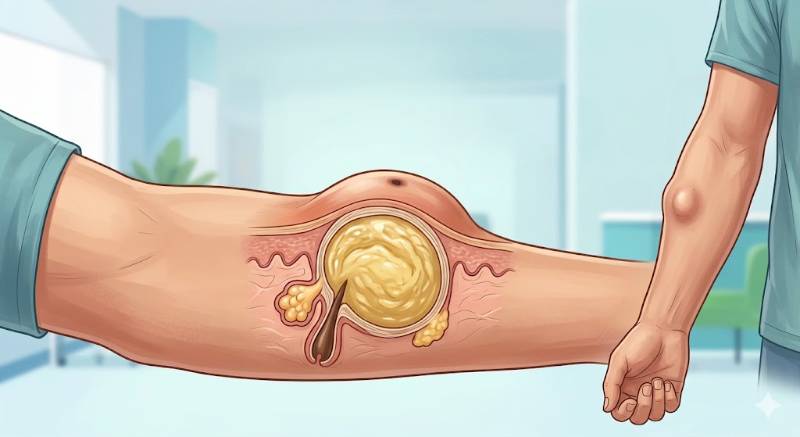
You run your hand across your skin and feel a soft, rubbery lump that moves easily under your fingers — and doesn't hurt. Chances are, what you've found is a lipoma, often called a fatty cyst. Lipomas affect roughly 1 in every 1,000 people and are almost always harmless. But knowing what they are, where they tend to appear, and when to get one checked can save you a lot of unnecessary worry.
Esophageal Varices: When Your Veins Become a Ticking Time Bomb
Esophageal varices are enlarged veins in the esophagus caused by increased portal hypertension in the liver. These veins may rupture and lead to bleeding. Treatment options include medications, therapeutic interventions, or surgery.

What Is a Hernia? Its Types and Treatment
What Is a Hernia? A question many people ask in search of a clear answer that can help them get rid of those painful bulges. Although hernias come in different types, the treatment methods are often similar.