What's the Treatment for Fatty Liver? And Can You Actually Get Rid of It for Good?
What Does Fatty Liver Treatment Look Like?
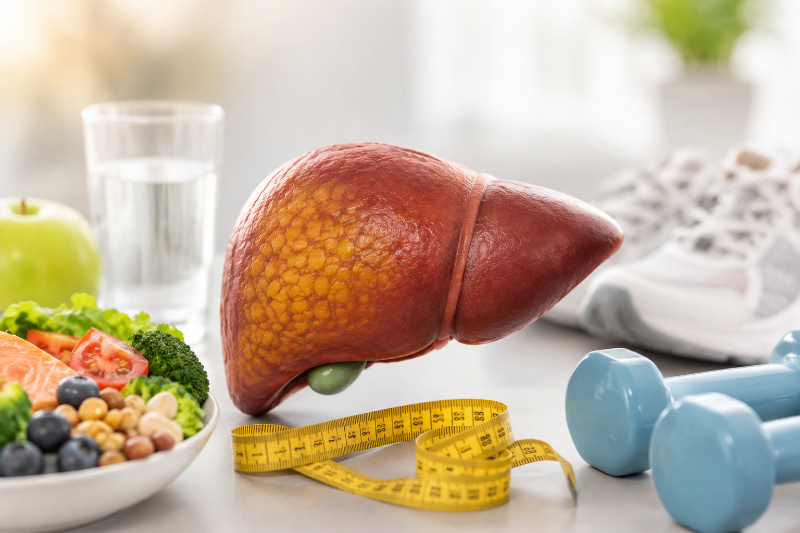
The goal is pretty straightforward: bring down the amount of fat sitting inside your liver, protect liver cells from inflammation and damage, and lower the risk of fibrosis developing down the line. That said, there's no one-size-fits-all approach. Your treatment plan might look different depending on whether the fat is tied to excess weight, insulin resistance, diabetes, high blood lipids, or alcohol use.
We'll break all of this down for you in the sections below, based on the severity of your fatty liver, the underlying cause, and your overall health.
How Can You Get Rid of Fatty Liver?
In most cases linked to excess weight and metabolic issues, treatment starts with practical steps to reduce fat and improve liver health. These include:
- Losing weight if you're carrying extra pounds: Shedding weight helps clear fat from the liver. Losing a higher percentage of body weight can also improve inflammation and fibrosis.
- Cleaning up your diet: Focus on whole foods, vegetables, whole grains, and healthy proteins. Cut back on added sugars, sweetened drinks, saturated fats, and processed foods.
- Moving more: Exercise helps reduce liver fat and improve insulin sensitivity. It can make a real difference even if the number on the scale doesn't drop much.
- Getting co-existing conditions under control: Managing diabetes, cholesterol problems, high triglycerides, and obesity takes away the risk factors that feed fatty liver.
- Cutting out alcohol: If alcohol is driving the fat buildup or making liver damage worse, quitting is a non-negotiable part of treatment.
What's the Best Diet for Fatty Liver?
You don't need to starve yourself or follow some extreme eating plan. What works best is a balanced pattern you can actually stick with long-term, combined with portion control if you need to lose weight.
Focus on:
- Vegetables of all kinds.
- Whole fruits instead of juice.
- Whole grains like oats and brown rice.
- Legumes like lentils and beans.
- Fish, chicken, and eggs for protein.
- Olive oil, nuts, and seeds in reasonable amounts.
- Less processed meat and fried food.
On the flip side, try to cut down on sodas, sweetened juices, desserts, and anything loaded with added sugar. Overdoing simple sugars, especially fructose, is strongly linked to more fat accumulating in the liver.
A diet that follows the Mediterranean pattern is one of the most practical and well-supported approaches for improving the quality of what you eat and reducing liver fat.
Can Fatty Liver Be Cured Permanently?
In many cases, yes, you can bring down liver fat significantly. The liver can even go back to normal, especially if you catch the problem early and address the root cause.
Evidence shows that weight loss can reduce liver fat, and losing a bit more weight can improve inflammation and fibrosis in some patients.
But "permanently" needs a caveat. Getting rid of the fat doesn't mean it can't come back. If weight creeps back up or blood sugar and lipid levels go haywire again, fat can re-accumulate. So keeping up healthy habits and treating the underlying cause isn't just part of getting better. It's part of staying better.
When Do You Need Medication for Fatty Liver?
Not every case of fatty liver calls for a liver-specific drug. In milder situations, the priority is usually weight loss, better nutrition, more physical activity, and managing any related conditions.
But if there's inflammation, fibrosis, or elevated risk factors, your doctor may evaluate whether you need prescription treatment or specialized follow-up. You might also need medications for diabetes, obesity, or high cholesterol, depending on your situation.
Don't start any medication or supplement on your own with the goal of treating fatty liver. The right treatment depends on the diagnosis and how much the liver has been affected.
Treating Fatty Liver Based on the Cause
Knowing you have fat on your liver isn't enough. What matters is understanding why the fat built up, because addressing the cause is what shapes the right treatment plan.
Fatty Liver Linked to Obesity and Insulin Resistance
When fat buildup is connected to excess weight or insulin resistance, the focus falls on losing weight, improving diet quality, increasing physical activity, and treating any blood sugar or lipid abnormalities.
Fatty Liver with Diabetes
If you have type 2 diabetes, getting blood sugar under control is a key piece of the puzzle. Your doctor might choose diabetes medications that also help with weight loss or improve metabolic factors, tailored to your specific case.
Fatty Liver and High Cholesterol
If your cholesterol or triglycerides are elevated, you'll likely need to adjust your diet and step up physical activity. Your doctor may prescribe lipid-lowering medication when necessary. And don't stop taking prescribed cholesterol drugs just because you have fatty liver without talking to your doctor first.
Alcoholic Fatty Liver
If alcohol is what's driving the fat accumulation, stopping is the essential first step. Your doctor will also evaluate the liver's condition and check for any signs of inflammation or fibrosis.
Treating Fatty Liver by Grade
Fatty liver can show up on imaging at different grades, but the grade alone doesn't always tell the full story of how serious things are. Your doctor also needs to assess whether there's inflammation, fibrosis, or other risk factors.
Grade 1 Fatty Liver Treatment
The fat is usually mild at this stage, and treatment centers on addressing the underlying cause, particularly if you're dealing with excess weight, blood sugar issues, or lipid abnormalities. Sticking to a healthy lifestyle can reduce the fat and keep things from progressing.
Grade 2 Fatty Liver Treatment
This grade warrants closer attention to risk factors and more consistent follow-up, especially alongside obesity, diabetes, or high lipids. Having grade 2 alone doesn't automatically mean you need medication. That decision depends on the full picture of your liver's health.
Grade 3 Fatty Liver Treatment
This calls for a more thorough medical evaluation to rule out significant inflammation or advanced fibrosis. Your doctor may order additional tests to gauge the degree of fibrosis and decide whether specialized treatment is needed.
Can You Treat Fatty Liver at Home?
You can support your treatment at home by following the plan your doctor lays out: choosing healthy foods, staying physically active, maintaining a reasonable weight, and avoiding alcohol when your condition calls for it.
But treating fatty liver at home doesn't mean relying on herbal remedies or special drinks as a way to flush fat out of your liver. Some supplements and herbs can actually damage the liver, so check with your doctor before using anything.
How Long Does It Take to Treat Fatty Liver?
There's no fixed timeline. How fast you improve depends on the amount of fat, your weight, any co-existing conditions, and how closely you follow the plan. You may start seeing gradual improvements within the months following lifestyle changes, but holding onto those results means maintaining healthy habits over the long haul.
When Should You See a Liver Specialist?
Fatty liver often causes no symptoms at all, so don't wait for something dramatic to happen before seeking evaluation. This is especially true if you have obesity, diabetes, elevated lipids, or if the fatty liver was discovered incidentally on imaging.
A doctor can assess your situation through your medical history, a physical exam, blood tests, and imaging. They may also use additional tests to estimate fibrosis risk and determine whether you need specialized follow-up.
The bottom line: having fat on your liver doesn't mean the problem will inevitably stick around or get worse, particularly if you catch it early and start tackling the causes. Fatty liver treatment is built on practical, sustainable steps. With the right medical follow-up, you can reduce the fat, protect your liver from complications, and keep it healthy for the long run.
If you still need a doctor’s consultation regarding this condition, you can easily book an appointment through Vezeeta.
Related Keywords
Specialized Doctors

Mohamed Abdel Fatah Al Malatawy
Professor of gasteoenterology & hepatology Ain shams university

Andrew Atef saweras
consultant of Gastrointestinal Diseases, Liver Diseases, Endoscopy, and Infectious Diseases - Faculty of Medicine (Kasr El Aini).

Mohamed Said Abdel Aziz
Consultant and Professor of Hepatogastroenterology and liver Transplantation - Kasr Al Ainy - Cairo University
References
https://my.clevelandclinic.org/health/diseases/15831-fatty-liver-disease
https://www.niddk.nih.gov/health-information/liver-disease/nafld-nash/treatment
https://www.nhs.uk/conditions/non-alcoholic-fatty-liver-disease/
https://www.mayoclinic.org/diseases-conditions/fatty-liver-disease-masld/in-depth/fatty-liver-disease-masld-diet/art-20588469
https://www.webmd.com/fatty-liver-disease/fatty-liver-disease
https://www.healthline.com/nutrition/mediterranean-diet-for-fatty-liver
https://www.niddk.nih.gov/health-information/liver-disease/nafld-nash
Specialized Doctors
Mohamed Abdel Fatah Al Malatawy
Professor of gasteoenterology & hepatology Ain shams university
Andrew Atef saweras
consultant of Gastrointestinal Diseases, Liver Diseases, Endoscopy, and Infectious Diseases - Faculty of Medicine (Kasr El Aini).
Mohamed Said Abdel Aziz
Consultant and Professor of Hepatogastroenterology and liver Transplantation - Kasr Al Ainy - Cairo University