What is stress diabetes, and can it suddenly happen after strong anger?
What is stress-induced diabetes?
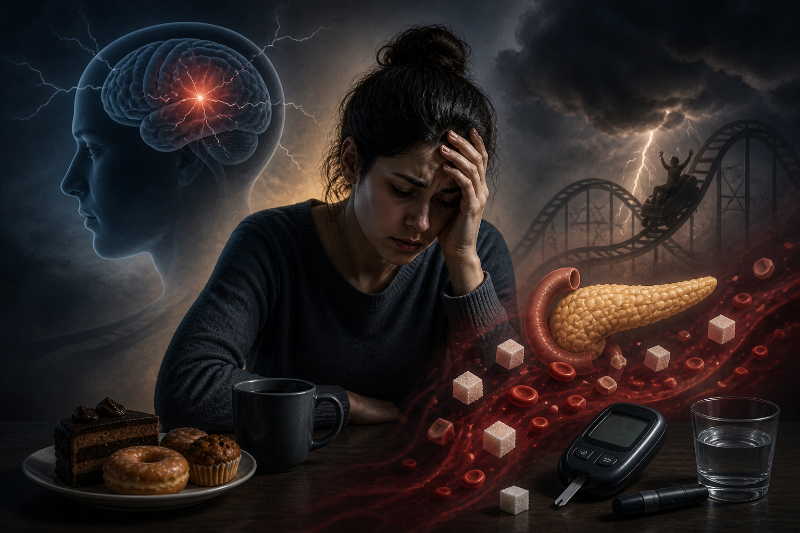
When you go through difficult situations or intense sadness, your body activates a complex chemical defense system that affects all your vital functions. People use the term “stress-induced diabetes” to describe a condition in which blood sugar suddenly rises after psychological shock or a severe anger episode. In reality, emotional states do not create the disease from nothing, but they play a major role in revealing an underlying problem or accelerating symptoms if you are already at higher risk.
Does sadness cause diabetes?
The scientific answer is not a simple “yes” or “no,” but depends on how your body responds to stress. Sadness raises blood sugar temporarily in everyone, but for this rise to develop into a chronic disease, other factors must be present.
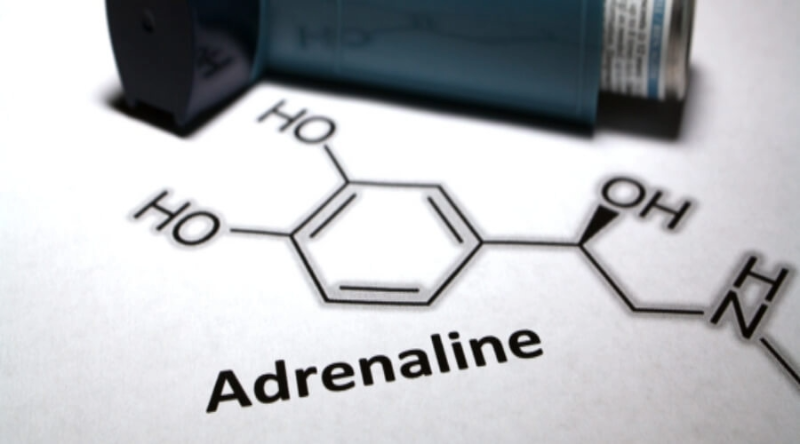
When you feel upset, your body releases stress hormones such as cortisol and adrenaline. These hormones act as insulin antagonists, meaning they prevent your cells from using sugar for energy, causing glucose to build up in your bloodstream.
If your pancreas is healthy, it will release extra insulin to overcome this situation. But if you already have insulin resistance or a genetic predisposition, a sudden rise in blood sugar due to stress may be the triggering moment that leads to an official diabetes diagnosis, especially if the body cannot return to normal levels after the stress has passed.
Symptoms of stress-related blood sugar spikes
The symptoms are similar to those of regular diabetes, but they often appear more clearly during or after periods of intense emotional stress. The most common symptoms include:
- Blurred vision: caused by changes in the eye lens due to fluctuating blood sugar levels in surrounding fluids.
- Severe fatigue: sudden exhaustion after an emotional outburst.
- Dry mouth: increased thirst and frequent need to drink water.
- Frequent urination: the body tries to eliminate excess sugar through the kidneys.
Why does blurred vision happen during stress?
Because excess sugar pulls fluid from eye tissues, temporarily changing the shape of the lens and causing unclear vision.
The effect of stress on diabetic patients
If you have already been diagnosed with diabetes, stress can have a more serious impact. Ongoing psychological pressure can make blood sugar harder to control, even with medication. Severe sadness may also increase the risk of complications such as retinopathy or nerve damage, because the body remains in a state of chemical stress that strains blood vessels and slows recovery.
Can stress increase HbA1c?
Yes. If you live under continuous stress for long periods, it can raise your average blood sugar levels, which will appear in the HbA1c test.
Causes behind stress-related blood sugar issues
Several biological and behavioral factors explain how stress and sadness can influence diabetes risk, including:
- Hormonal imbalance: increased cortisol stimulates the liver to release stored glucose, raising blood sugar levels.
- Pancreatic strain: chronic stress may reduce insulin-producing cell efficiency over time.
- Lifestyle changes: emotional distress may lead to unhealthy eating habits and reduced physical activity, contributing to weight gain and increased diabetes risk.
How much can blood sugar rise due to severe stress?
There is no fixed number, as the body responds individually. However, studies suggest that acute stress may raise glucose levels by 50 to 100 mg/dL in a short time. This sharp rise can explain dizziness or shortness of breath after emotional shock, indicating that the metabolic system is under strain.
Can stress-induced diabetes be prevented?
Managing emotions is the first line of defense. Techniques such as deep breathing help calm the nervous system and reduce cortisol levels. Staying hydrated and maintaining regular physical activity, such as walking, also helps muscles use glucose more effectively during stress.
In conclusion, protecting yourself from stress-related blood sugar problems starts with understanding that your mental and physical health are closely connected. Emotional balance is not only a psychological benefit but also a medical necessity for maintaining stable blood sugar and preventing complications.
If you still need a doctor’s consultation regarding this condition, you can easily book an appointment through Vezeeta.
Related Keywords





References
- https://my.clevelandclinic.org/health/articles/22187-cortisol
- https://www.google.com/search?q=https://www.healthline.com/health/diabetes/stress-and-diabetes
- https://www.mayoclinic.org/diseases-conditions/diabetes/symptoms-causes/syc-20371444
- https://www.google.com/search?q=https://www.webmd.com/diabetes/how-stress-affects-diabetes
- https://www.medicalnewstoday.com/articles/324854
- https://medlineplus.gov/ency/article/000305.htm