What are the causes of Hypersomnia and how can it be treated?
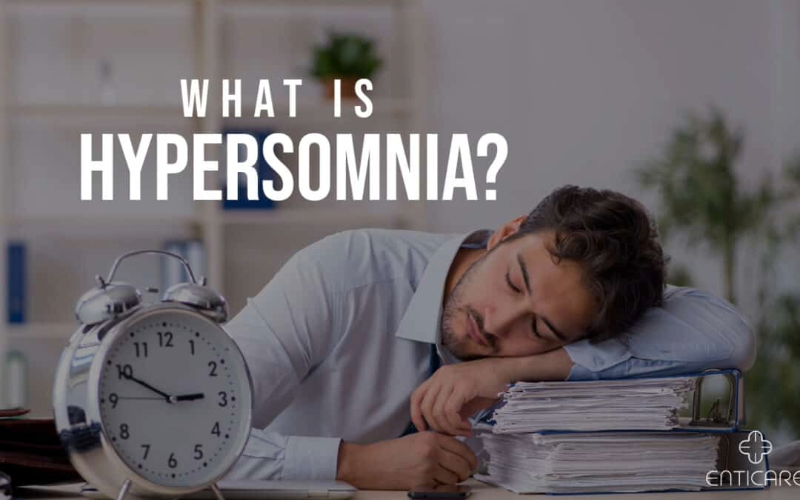
Understanding the causes of excessive sleep can help break the cycle of fatigue and change unhealthy habits or address psychological reasons leading to oversleeping. This paves the way to discovering helpful and innovative solutions to the problem.
Oversleeping can significantly disrupt social life and job performance. It’s one of the symptoms that affects some individuals, leading to excessive fatigue and a strong urge to sleep — also known as narcolepsy. The causes of excessive sleep may be temporary due to circumstances like general exhaustion or lack of prior rest, or they may indicate a chronic issue requiring medical attention. This is what we’ll explore in the following lines.
What is Hypersomnia (Excessive Sleepiness)?
Hypersomnia is a condition where a person feels extremely sleepy during the day despite getting enough sleep at night. It affects around 2% of people, with daily sleep durations reaching 12 hours or more. This impacts one’s energy, memory, and physical activity.
What are the Causes of Excessive Sleepiness?
Many people seek to understand the cause behind excessive sleep to overcome it. Here are some of the most common causes:
- Thyroid disorders
- Obesity and weight gain
- Narcolepsy (sleep disorder)
- Sleep apnea
- Genetic factors
- Use of certain medications such as sedatives
- Head injuries
- Neurological diseases (e.g., Parkinson’s)
- Depression
- Epilepsy
- Heart diseases
What are the Causes of Narcolepsy?
Narcolepsy is one of the most common causes of excessive sleep. It’s a condition where the brain loses control over sleep-wake cycles. People with narcolepsy experience recurring sleep episodes during the day along with other symptoms, but it often responds well to treatment.
Key Symptoms of Narcolepsy:
- Excessive daytime sleepiness
- Sudden muscle weakness (cataplexy), often affecting one side of the body
- Sleep-related hallucinations (right before sleep or after waking)
- Sleep paralysis — an inability to move upon waking
There are two main types of narcolepsy:
- Type 1: Includes cataplexy, about 20% of cases
- Type 2: Does not include cataplexy, about 80% of cases
Is Excessive Sleep the Same as Narcolepsy?
No. While both share symptoms like severe daytime drowsiness, narcolepsy involves sudden sleep attacks, while hypersomnia doesn’t. Also, naps in narcolepsy are refreshing, unlike in hypersomnia where naps may last over an hour and leave the person still feeling tired.
Why Is Excessive Sleepiness More Common in Women?
Women are more likely to experience hypersomnia due to:
- Psychological stress (e.g., anxiety and depression)
- Vitamin D deficiency
- Thyroid disorders
- Anemia
- Obesity
- Poor sleep quality
What are the Symptoms of Excessive Sleep?
- Recurrent daytime drowsiness
- Long sleep duration (10+ hours) with continued fatigue
- Difficulty waking up
- Anxiety
- Low energy
- Sluggish thinking
- Memory problems
- Headaches
- Appetite loss
- Hallucinations
How is Excessive Sleep Diagnosed?
Diagnosis begins with medical history and medication review. Tests may include:
- Polysomnography (overnight sleep study)
- Multiple Sleep Latency Test (MSLT)
- Sleep questionnaires
- EEG (electroencephalogram to assess brain activity)
Diagnosis is likely if you:
- Fall asleep multiple times during the day
- Sleep more than 10 hours but still feel tired
- Wake up abruptly but remain groggy
How is Hypersomnia Treated?
Treatment depends on the underlying cause:
- If related to thyroid issues, proper hormone regulation is key
- For psychological causes, treat conditions like depression or neurological diseases
Medications used:
- Wakefulness-promoting drugs: Modafinil, Armodafinil, Pitolisant
- Stimulants: Amphetamines, Dextroamphetamine
- Sodium oxybate and Flumazenil (used in resistant cases)
What is the Narcolepsy Treatment?
Narcolepsy can be managed but not cured. Treatment includes medication and lifestyle adjustments.
Common Medications:
- Modafinil, Armodafinil (first-line)
- Amphetamines and amphetamine-like stimulants
- Antidepressants like Venlafaxine, Fluoxetine, Clomipramine
- Histamine-related medications
10 Tips to Overcome Excessive Sleepiness
- Sleep at the same time every night
- Get enough sleep at night
- Keep your bedroom quiet, dark, and well-ventilated
- Avoid caffeine-containing products at night
- Avoid alcohol before bedtime
- Quit smoking
- Exercise regularly
- Eat a balanced diet
- Limit sugar and fats
- Avoid sleep-inducing medications
- Turn off screens and phones at night
Conclusion
Finding and addressing the causes of excessive sleepiness — including narcolepsy — is crucial for improving daily functioning, productivity, and mental well-being. With proper medical support and healthy lifestyle changes, this issue can often be managed effectively.
If you still need to consult a doctor regarding this condition, you can easily book an appointment through Vezeeta
Related Keywords



References
National Center for Biotechnology Information (NCBI) – Bookshelf.
Idiopathic Hypersomnia: Etiology, Symptoms, Diagnosis, and Treatment.
https://www.ncbi.nlm.nih.gov/books/NBK585065/
Mayo Clinic.
Hypersomnia: Symptoms and Causes.
https://www.mayoclinic.org/diseases-conditions/hypersomnia/symptoms-causes/syc-20362332
Mayo Clinic.
Hypersomnia: Diagnosis and Treatment.
https://www.mayoclinic.org/diseases-conditions/hypersomnia/diagnosis-treatment/drc-20362338
Sleep Foundation.
Hypersomnia: Overview, Causes, Symptoms, and Treatment.
https://www.sleepfoundation.org/hypersomnia
Sleep Foundation.
Narcolepsy: Symptoms, Causes, and Treatments.
https://www.sleepfoundation.org/narcolepsy
Mayo Clinic.
Narcolepsy: Symptoms and Causes.
https://www.mayoclinic.org/diseases-conditions/narcolepsy/symptoms-causes/syc-20375497
Mayo Clinic.
Narcolepsy: Diagnosis and Treatment.
https://www.mayoclinic.org/diseases-conditions/narcolepsy/diagnosis-treatment/drc-20375503
StatPearls – NCBI Bookshelf.
Narcolepsy: Pathophysiology, Clinical Presentation, and Management.
https://www.ncbi.nlm.nih.gov/books/NBK459236/