What Is the HbA1c Test and Does It Require Fasting?
What Is the HbA1c Test?
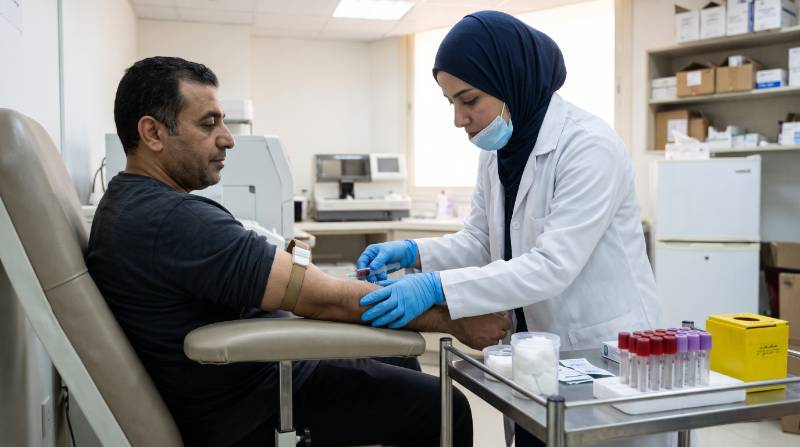
The HbA1c test is a blood test that measures your average blood glucose level over approximately the past two to three months. It is also known in English as hemoglobin A1c or glycated hemoglobin.
To understand how the test works, you need to know that red blood cells contain a protein called hemoglobin. Some of the glucose in the blood attaches to this protein. The higher your blood sugar level, the more glucose attaches to hemoglobin.
Because red blood cells live for up to 120 days, measuring the percentage of hemoglobin attached to glucose gives your doctor an estimate of your average glucose levels during the previous period.
Why Does a Doctor Request an HbA1c Test?
A doctor may request an HbA1c test to learn your average blood sugar level over the past two to three months and use the results to:
- Detect prediabetes early, before the condition develops further.
- Help diagnose diabetes.
- Assess how well the body is responding to treatment in people with diabetes.
- Monitor blood sugar control and reduce the risk of complications.
Your doctor may ask you to repeat the test at regular intervals to monitor the condition and make sure that the treatment plan is effective. Because monitoring may require more than one test, you may benefit from a Vezeeta comprehensive subscription, which offers discounts of up to 80% on laboratory tests and imaging services at a wide network of laboratories and imaging centers.
Do You Need to Fast Before an HbA1c Test?
No. You do not need to fast for an HbA1c test, and you can eat and drink normally before the test. This is because the test measures your average blood sugar levels over the past two to three months, rather than your glucose level only at the time the sample is taken.
Therefore, breakfast or drinking beverages before the test does not directly affect the result. You can have the test at any time of day, whether you have eaten or not.
However, if your doctor asks you to have an HbA1c test along with a fasting blood glucose test, you will need to avoid food and drinks, except water, for at least eight hours, according to the instructions for the other test.
What Is the Normal HbA1c Level?
A normal HbA1c level is below 5.7% in most nonpregnant adults. Test results are divided into three categories according to diagnostic criteria:
- Below 5.7%: Normal and does not indicate diabetes.
- 5.7% to 6.4%: Prediabetes. This means that blood sugar is higher than normal and that the likelihood of developing type 2 diabetes is increased.
- 6.5% or higher: Within the diagnostic range for diabetes. The diagnosis usually needs to be confirmed with another test.
When Is HbA1c Considered High?
HbA1c is considered higher than normal when it is 5.7% or higher. A level from 5.7% to 6.4% indicates prediabetes, while a level of 6.5% or higher falls within the diagnostic range for diabetes.
However, if you already have diabetes, a level below 6.5% is not necessarily ideal for you. Blood sugar control is assessed according to the treatment target set by your doctor for your condition.
Can the HbA1c Test Be Inaccurate?
Although the HbA1c test is reliable, it may not accurately reflect your true average blood sugar in some medical conditions that affect the lifespan of red blood cells or the structure of hemoglobin.
Factors that may affect the test result include:
- Anemia: Especially anemia caused by iron or vitamin B12 deficiency. Depending on the type of anemia and the person’s condition, it may raise or lower the result.
- Chronic kidney disease: Some complications may affect the accuracy of the HbA1c measurement.
- Liver disease: Some liver disorders may affect red blood cells and hemoglobin levels.
- Inherited hemoglobin disorders: Such as sickle cell anemia and some types of thalassemia.
- Severe bleeding: This may lower the result because it changes the age distribution of red blood cells.
- A recent blood transfusion: This may affect the result because the transfused blood cells differ from the body’s own cells.
If you have any of these conditions, tell your doctor before interpreting the test result. You may need other tests to assess your blood sugar more accurately.
What Factors Affect the HbA1c Test?
Other factors can affect your average blood sugar level and, as a result, your HbA1c result. These include:
- Eating large amounts of sugar and refined carbohydrates.
- Low physical activity and not exercising regularly.
- Not taking prescribed diabetes medicines as directed.
- Weight gain and insulin resistance.
- Certain illnesses or infections that may raise glucose levels.
It is important to distinguish between factors that actually raise blood sugar and conditions that affect the accuracy of the test itself.
How to Read an HbA1c Test Result
You can read your HbA1c result by looking at the percentage written next to HbA1c and comparing it with the recognized diagnostic ranges.
For example:
- A result of 5.5% is within the normal range.
- A result of 6% indicates prediabetes.
- A result of 7% falls within the diagnostic range for diabetes.
If you already have diabetes, you should compare the result with the treatment target set by your doctor because the appropriate level varies from person to person.
Can HbA1c Return to a Normal Level?
Yes. You may be able to lower your HbA1c and bring it into the normal range, especially if you have prediabetes, by changing your lifestyle and following healthy habits.
Helpful steps include:
- Reducing added sugars and sweetened drinks.
- Eating balanced meals rich in vegetables and fiber.
- Exercising regularly.
- Maintaining a healthy weight.
- Following the prescribed treatment if you have diabetes.
Which Is More Dangerous, High Blood Sugar or Low Blood Sugar?
Both can be dangerous if they become severe or are not managed correctly, but their complications are different:
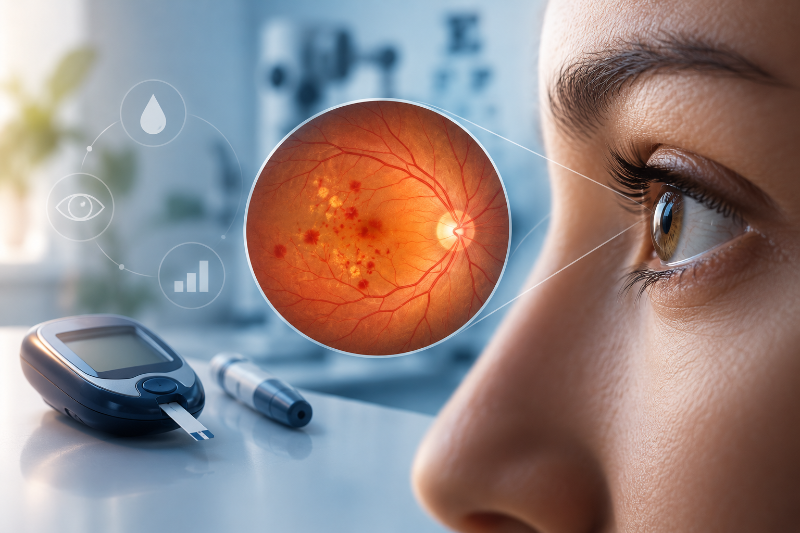
- High blood sugar: Persistently high blood sugar may damage the nerves, kidneys, eyes, heart, and blood vessels.
- Low blood sugar: This may cause sweating, trembling, dizziness, and confusion. Severe low blood sugar may lead to seizures or loss of consciousness.
If you have diabetes, it is important to monitor your glucose levels regularly and avoid severe highs and lows.
In the end, the HbA1c test helps you learn your average blood sugar level over the past two to three months, whether for early diabetes detection or to monitor treatment effectiveness. Although the test does not require fasting, interpreting the result depends on your health and your doctor’s assessment. Do not rely on the number alone to diagnose your condition or change your treatment. Have the test at the times recommended by your doctor to help keep your blood sugar stable and prevent complications.
If you still need a doctor’s consultation regarding this condition, you can easily book an appointment through Vezeeta.
Related Keywords




References
https://www.cdc.gov/diabetes/diabetes-testing/prediabetes-a1c-test.html
https://www.niddk.nih.gov/health-information/diagnostic-tests/A1C-test
https://www.niddk.nih.gov/health-information/diabetes/overview/tests-diagnosis
https://www.medlineplus.gov/a1c.html
https://www.mayoclinic.org/tests-procedures/a1c-test/about/pac-20384643
https://my.clevelandclinic.org/health/diagnostics/9731-a1c