Iron Deficiency Symptoms (Anemia): Treatment, and the Best Iron-Rich Foods
What Is Iron Deficiency and How Does It Affect the Body?
Iron deficiency occurs when the body's iron stores fall below normal levels, directly affecting the production of hemoglobin, the protein responsible for carrying oxygen from the lungs to the rest of the body.
When iron levels are low, cells receive less oxygen than they need, leading to fatigue, reduced concentration, and decreased physical performance. If left untreated, iron deficiency can impair essential body functions and may eventually contribute to complications affecting the heart and brain.
What Are the Symptoms of Iron Deficiency?
Iron deficiency symptoms usually develop gradually and are often mild at first, making them easy to mistake for everyday stress or tiredness. As iron levels continue to decline, symptoms become more noticeable, especially when hemoglobin production is affected and the blood's ability to transport oxygen decreases.
Early Symptoms of Iron Deficiency
During the early stages, the body attempts to adapt to lower iron levels. Although symptoms may seem minor, they are important warning signs, including:
- Persistent fatigue and exhaustion, even after minimal physical activity, due to reduced oxygen delivery to cells.
- Poor concentration and low energy, affecting mental performance and focus.
- Mild pale skin, particularly on the face or inside the lower eyelids.
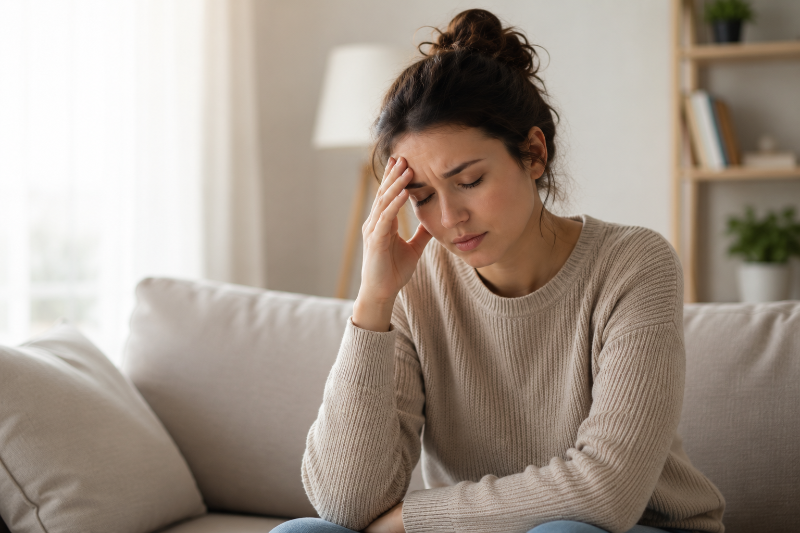
- Frequent headaches or occasional dizziness caused by reduced oxygen supply to the brain.
Advanced Symptoms of Iron Deficiency Anemia
As iron deficiency progresses and remains untreated, the body can no longer compensate effectively, resulting in more severe symptoms such as:
- Shortness of breath during even light physical activity because of reduced oxygen in the blood.
- Rapid or irregular heartbeat as the heart works harder to deliver oxygen throughout the body.
- Persistent dizziness or a feeling of unsteadiness.
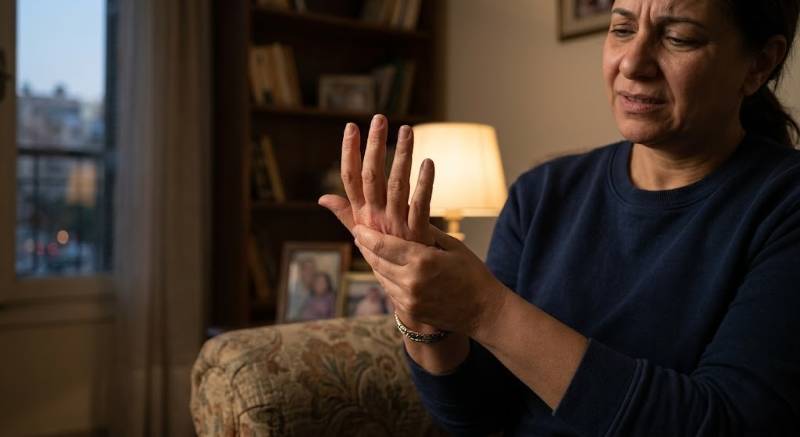
- Cold hands and feet caused by poor circulation.
- Noticeable hair loss due to reduced nourishment reaching the hair follicles.
- Brittle or weak nails that may become spoon-shaped (koilonychia) in advanced cases.
What Causes Iron Deficiency?
Iron deficiency can result from several underlying factors, including:
- Poor iron absorption: The body may not absorb iron efficiently due to digestive disorders, inflammatory bowel diseases, or previous gastrointestinal surgery.
- Blood loss: Chronic blood loss gradually depletes iron stores. This may occur because of gastrointestinal bleeding, certain medications, or underlying medical conditions.
- An iron-poor diet: A diet lacking sufficient iron-rich foods, especially poorly planned vegetarian or vegan diets, can lead to gradual iron depletion.
Iron Deficiency in Women: Why Are Women at Higher Risk?
Women are more likely than men to develop iron deficiency because of several physiological factors, including:
- Heavy menstrual bleeding, which causes regular blood loss.
- Pregnancy, when iron requirements increase to support fetal growth and development.
- Breastfeeding, which raises the body's nutritional demands.
- Uterine fibroids, which may cause excessive or irregular bleeding.
Can Iron Deficiency Cause Hair Loss?
Yes. There is a well-established link between iron deficiency and hair loss. When iron levels are low, the body prioritizes oxygen delivery to vital organs such as the heart and brain, reducing the oxygen and nutrients available to hair follicles.
As a result, you may experience:
- Weakened hair roots.
- Increased hair shedding.
- Slower hair growth.
- Brittle nails, which may become spoon-shaped in severe cases.
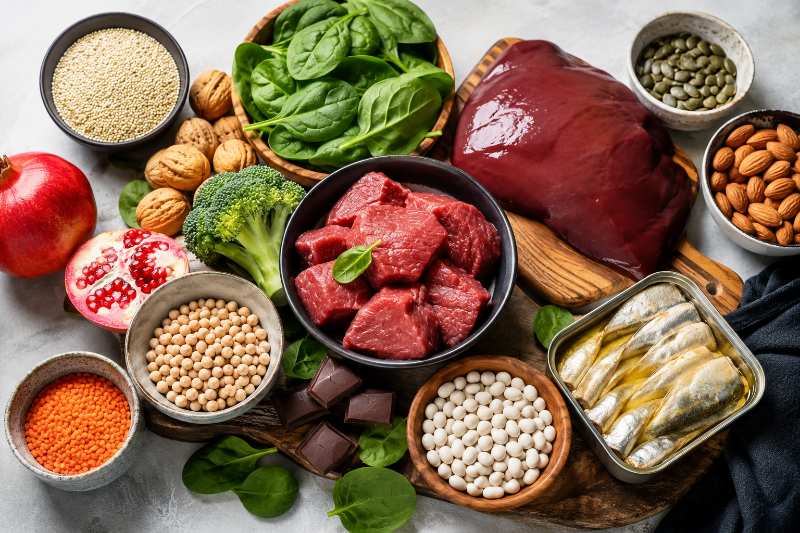
Iron-Rich Foods: The Best Natural Sources to Boost Iron Levels
A balanced diet plays a key role in treating and preventing iron deficiency. Including iron-rich foods can naturally improve iron stores over time.
Animal-Based Iron Sources (Best Absorbed)
- Red meat.
- Liver.
- Poultry.
- Fish, including sardines and mackerel.
Plant-Based Iron Sources
- Lentils.
- Chickpeas.
- Beans.
- Spinach.
- Seeds.
Tips to Improve Iron Absorption
To maximize the amount of iron your body absorbs from food:
- Eat vitamin C-rich foods with meals, such as oranges, lemons, strawberries, or bell peppers, to enhance iron absorption.
- Avoid drinking tea or coffee during or immediately after meals, as they contain compounds that reduce iron absorption, particularly non-heme iron from plant foods.
- Limit calcium-rich foods or supplements with iron-rich meals because calcium may interfere with iron absorption.
Iron Deficiency Treatment: How to Increase Iron Levels Quickly
The most effective treatment for iron deficiency depends on the underlying cause and the severity of the deficiency. Treatment should always be based on blood test results and an individual's overall health. The primary goal is to restore iron stores safely while preventing the deficiency from recurring.
Iron Supplements
Iron supplements are the most common first-line treatment for iron deficiency. Your healthcare provider will recommend the appropriate dose based on your condition.
Iron supplements help replenish iron stores gradually and increase hemoglobin levels.
For the best results:
- Take them on an empty stomach when possible, or follow your healthcare provider's instructions.
- Taking iron with vitamin C, such as orange juice, can improve absorption.
- Complete the full prescribed course, even if your symptoms improve before treatment ends.
Intravenous (IV) Iron Therapy
Intravenous iron may be recommended when iron deficiency is severe or when oral supplements are ineffective.
IV iron is commonly used if:
- The body cannot absorb iron properly because of digestive disorders.
- Oral iron supplements cause intolerable side effects.
- Iron levels need to be restored more rapidly.
Treating the Underlying Cause
Correcting iron deficiency requires identifying and treating the root cause. Taking supplements alone may provide temporary improvement, but the deficiency can return if the underlying issue is not addressed.
Treatment may include:
- Managing chronic blood loss, such as gastrointestinal bleeding or heavy menstrual periods.
- Treating digestive conditions that interfere with iron absorption.
- Improving dietary habits by regularly including iron-rich foods.
Conclusion
Even mild symptoms of iron deficiency should never be ignored, as they may be an early warning sign of a condition that is highly treatable when detected early. Recognizing the symptoms, eating a balanced diet rich in iron, and following the right treatment plan can help restore healthy iron levels, improve energy, and support overall well-being. Early diagnosis remains the most effective way to prevent iron deficiency from progressing to iron deficiency anemia and more serious health complications.
If you still need a doctor’s consultation regarding this condition, you can easily book an appointment through Vezeeta
Related Keywords

Specialized Doctors

Amira Gamea
Consultant in general internal medicine, diabetes and gastroenterology at Police Authority Hospitals

Ahmed El Gammal
Consultant of Internal Medicine and Diabetology

Ayman Mahmoud Moustafa
Senior Consultant of Internal medicine
References
https://www.who.int/news-room/fact-sheets/detail/anaemia
https://ods.od.nih.gov/factsheets/Iron-HealthProfessional/
https://www.mayoclinic.org/diseases-conditions/iron-deficiency-anemia/symptoms-causes/syc-20355034
https://www.mayoclinic.org/diseases-conditions/iron-deficiency-anemia/diagnosis-treatment/drc-20355040
https://my.clevelandclinic.org/health/diseases/22824-iron-deficiency-anemia
https://www.nhs.uk/conditions/iron-deficiency-anaemia/
Specialized Doctors
Amira Gamea
Consultant in general internal medicine, diabetes and gastroenterology at Police Authority Hospitals
Ahmed El Gammal
Consultant of Internal Medicine and Diabetology
Ayman Mahmoud Moustafa
Senior Consultant of Internal medicine