What Is the Difference Between the Symptoms of a Herniated Disk and Sciatica?
What Is a Herniated Disk and How Does It Develop?
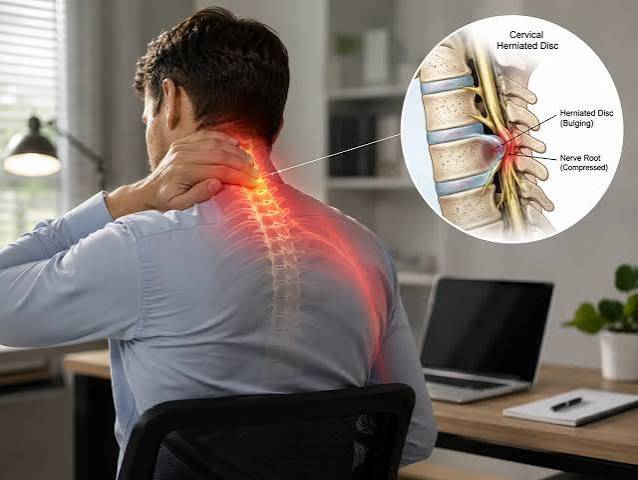
A herniated disk occurs when the material inside a spinal disk, located between the vertebrae, pushes through a weak or damaged part of its outer layer. This may put pressure on nearby nerves and cause pain, numbness, or muscle weakness.
Spinal disks act as flexible cushions between the vertebrae. They help absorb shock and support movement of the spine. With age, these disks may lose some of their flexibility and water content, making them more vulnerable to damage or bulging.
A herniated disk may develop because of several factors, including:
- Aging: The likelihood of disk wear and loss of flexibility increases with age.
- Lifting heavy objects incorrectly: Especially when bending or twisting suddenly while carrying something.
- Sitting for long periods: Particularly with poor sitting posture and little movement.
- Being overweight: This may increase the pressure placed on the spinal vertebrae.
- Sudden movements and repeated strain: These may contribute to disk injury.
What Is the Difference Between a Herniated Disk and Sciatica?
A herniated disk is a bulge in the disk between the vertebrae. Sciatica is pain that travels along the sciatic nerve, from the lower back through the buttocks and into the leg. A herniated disk may cause sciatica when it presses on the nerve roots, but sciatica can also have other causes.
What Are the Symptoms of a Herniated Disk in the Back and Neck?
The symptoms of a herniated disk vary according to the location of the injury and how much it affects the nerves. They may include localized pain or pain that extends into the limbs, as well as numbness, tingling, and muscle weakness.
Symptoms of a Lumbar Herniated Disk
A lumbar herniated disk occurs in the lower back and is one of the most common types. Symptoms may become noticeable when bending down to pick something up, sitting for a long time, or trying to stand after waking up.
The main symptoms include:
- Lower back pain, which may worsen with certain movements or when coughing or sneezing.
- Pain extending to the buttocks, thigh, leg, and foot. This is sometimes known as sciatica.
- Numbness or tingling in the leg or toes.
- Weakness in some leg muscles, which may make walking or lifting the foot more difficult.
Not all of these symptoms need to occur together. Some people may have more leg pain than back pain.
Symptoms of a Cervical Herniated Disk
When a herniated disk affects the cervical vertebrae, it may press on the nerves that travel toward the shoulders, arms, and hands.
Possible symptoms include:
- Neck pain that may extend to the shoulder or arm.
- Numbness or tingling in the fingers and hand.
- Weakness in the arm or hand muscles.
- Difficulty moving the neck in certain directions because of pain.
If a cervical herniated disk presses on the spinal cord, more serious symptoms may occur, such as impaired balance, difficulty walking, or weakness in the hands. These symptoms require prompt medical assessment.
Symptoms of a Mild Herniated Disk
A mild herniated disk may cause limited pain in the back or neck without significant nerve pressure or muscle weakness. Symptoms may gradually improve with appropriate treatment and changes to daily activities.
However, the severity of a herniated disk cannot be determined by the level of pain alone. Symptoms and a clinical examination should be assessed, and a doctor may request magnetic resonance imaging when there are signs that require further evaluation.
Is a Herniated Disk Dangerous?
A herniated disk is not dangerous in most cases, and its symptoms gradually improve with conservative treatment. However, it may become serious if it presses on the nerves or spinal cord to a degree that affects movement or bladder and bowel control.
To assess the seriousness of the condition, watch for the following signs:
- Persistent or worsening pain, especially if it does not improve with treatment or begins to affect sleep and daily movement.
- Muscle weakness, such as difficulty lifting the foot, holding objects, or walking normally.
- Balance problems, especially with a cervical herniated disk and possible spinal cord involvement.
- Loss of sensation in certain areas, particularly if the numbness is severe or progressively worsening.
How Is a Herniated Disk Diagnosed?
If you have back or neck pain accompanied by numbness, the doctor will usually ask about the nature of your symptoms, when they began, and whether they extend into the arm or leg.
The doctor may then perform examinations to assess muscle strength, sensation, and reflexes. The examination may also include checking your walking pattern and the range of motion of the spine.
Additional tests may include:
- Magnetic resonance imaging (MRI): This helps identify the location of the herniated disk and how much it is pressing on the nerves. It is requested when appropriate based on the symptoms and examination.
- CT scan: This may be used in certain situations when MRI is not suitable or available.
- X-ray: This shows the condition of the bones and the alignment of the vertebrae, but it does not show the disk itself in detail.
Not every patient needs imaging immediately. When there are no warning signs, the doctor may begin conservative treatment and monitor improvement first.
What Are the Treatment Options for a Herniated Disk?
Treatment depends on the severity of the pain, the location of the injury, the extent of nerve involvement, and the patient’s response to treatment. In many cases, symptoms improve within weeks without surgery. Treatment options include:
Conservative Treatment and Medication
Treatment often begins with nonsurgical options intended to relieve pain and help the patient regain movement. These may include:
- Using suitable pain relievers or anti-inflammatory medicines according to the doctor’s instructions.
- Avoiding movements that increase pain while continuing light activity instead of staying in bed for long periods.
- Using cold or warm compresses to relieve pain, depending on what suits the condition.
- Adjusting sitting and sleeping positions and temporarily avoiding heavy lifting.
Medicines should not be used for long periods without medical advice, especially anti-inflammatory medicines, which may not be suitable for some people.
Physical Therapy for a Herniated Disk
Physical therapy helps restore movement and improve the strength of the muscles that support the spine while reducing movements that increase pressure on the affected area.
A physical therapist may create a program that includes stretching exercises, core-strengthening exercises, and improvements to posture and movement patterns.
However, not all back exercises are suitable for every condition. Avoid strenuous exercises or exercises that increase pain extending into the arm or leg without specialist assessment.
Spinal Injections
If pain extending into the leg or arm continues despite initial treatment, the doctor may recommend corticosteroid injections around the nerve or into the epidural space, depending on the location of the problem and the patient’s medical condition.
These injections aim to reduce inflammation and relieve pain. However, they do not necessarily return the disk to its original condition, and their effect may be temporary.
Herniated Disk Surgery
A doctor may recommend surgery when troublesome symptoms do not improve with nonsurgical treatment, when there is progressive nerve weakness, or when severe pressure requires urgent intervention.
One possible procedure is removal of the protruding part of the disk that is pressing on the nerve. Minimally invasive surgical techniques may be used in suitable cases.
How Can Recurrent Herniated Disk Pain Be Prevented?
Pressure on the spine may be reduced by following habits such as:
- Taking part in appropriate physical activity regularly.
- Maintaining a healthy weight.
- Avoiding lifting heavy objects while bending the back or twisting suddenly.
- Taking short movement breaks when sitting for long periods.
- Strengthening the back and abdominal muscles through exercises suitable for the condition.
In the end, the symptoms of a herniated disk differ from one person to another depending on the location of the injury and the amount of pressure on the nerves. Some cases improve with conservative treatment and physical therapy, while others require more specialized medical care. Do not ignore back or neck pain accompanied by numbness or muscle weakness. Consult a doctor to determine the appropriate diagnosis and treatment. If you notice loss of bladder or bowel control or severe, sudden weakness in the limbs, go to the emergency department immediately to help prevent complications.
If you still need a doctor’s consultation regarding this condition, you can easily book an appointment through Vezeeta.
Related Keywords





References
https://www.mayoclinic.org/diseases-conditions/herniated-disk/symptoms-causes/syc-20354095
https://medlineplus.gov/ency/article/000686.htm
https://medlineplus.gov/ency/article/000442.htm
https://www.nhs.uk/conditions/Slipped-disc/
https://my.clevelandclinic.org/health/diseases/12768-herniated-disk
https://my.clevelandclinic.org/health/diseases/12792-sciatica