Osteoarthritis: Causes and the Difference Between It and Rheumatoid Arthritis

Causes of Osteoarthritis
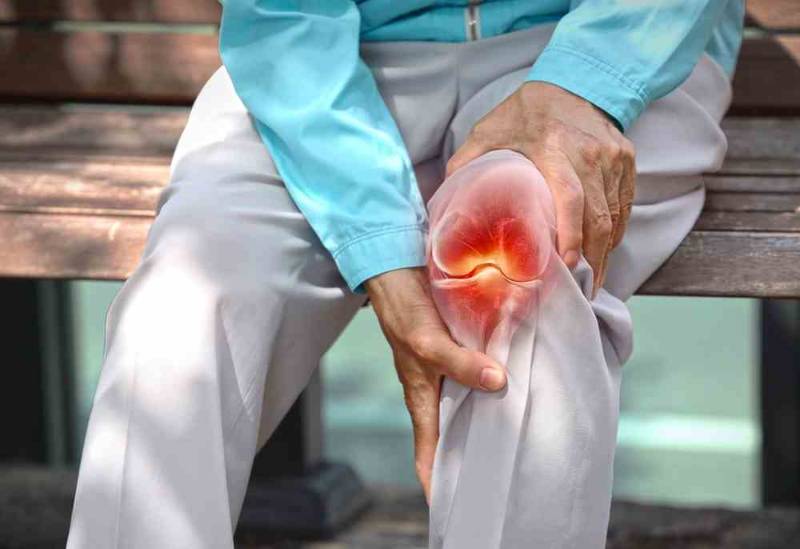
When a joint functions normally, cartilage helps bones move smoothly and absorbs some of the pressure placed on them. With osteoarthritis, gradual changes occur in the cartilage and tissues around the joint. These changes may cause pain, stiffness, and a reduced range of motion.
The main factors that may increase the risk include:
- Age: The likelihood of osteoarthritis increases with age.
- Excess weight: Extra weight increases the load on the joints, especially the knees and hips.
- Previous joint injuries: These may include ligament or cartilage injuries caused by sports or accidents.
- Repeated joint stress: Certain jobs and sports may place extra pressure on a particular joint.
- Genetic factors: Some genetic factors may increase susceptibility.
- Problems with joint structure: These may include certain deformities or problems with joint alignment.
Osteoarthritis does not necessarily mean that a person is simply getting older. It can develop at a younger age when certain risk factors are present.
Causes of Osteoarthritis in Young Adults
Some people may think that osteoarthritis cannot occur in young adults, but early disease can occur, especially after a significant joint injury or long-term repeated stress.
For example, a young person may injure their knee while playing sports, receive initial treatment, and then return to normal activities. However, damage to some parts of the joint may increase the risk of degenerative changes later.
Obesity, repeated injuries, certain structural problems, and genetic factors may also contribute to osteoarthritis at a younger age.
If a young person has persistent joint pain, swelling, or stiffness, it is better not to assume that the cause is only temporary strain. The joint should be evaluated to identify the cause.
Causes of Osteoarthritis in the Hand
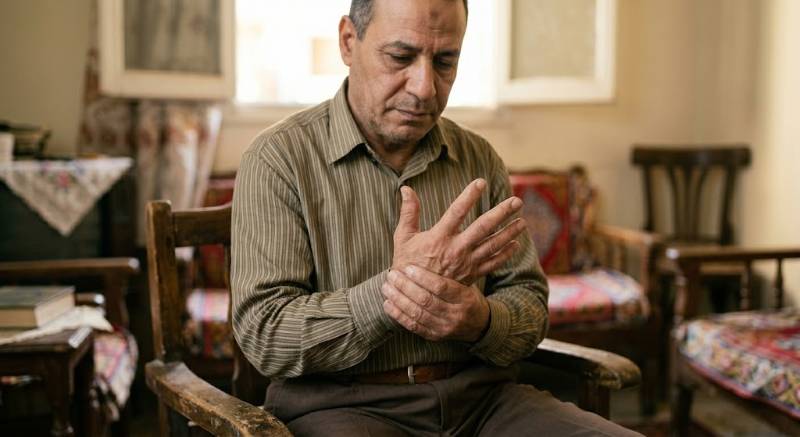
Osteoarthritis of the hand can be particularly troublesome because it affects movements used throughout the day, such as writing, holding objects, or opening containers.
Symptoms may appear at the base of the thumb or in the finger joints. They may include:
- Pain that increases with hand use.
- Stiffness and difficulty moving the fingers.
- Swelling around the joint.
- Reduced grip strength.
- Bumps or changes in the shape of some joints as the condition progresses.
Symptoms vary from person to person. The appearance of a joint does not always match the level of pain the patient experiences.
What Is the Difference Between Osteoarthritis and Rheumatoid Arthritis?
The main difference between osteoarthritis and rheumatoid arthritis is the nature of each disease and how it develops.
Osteoarthritis is a degenerative condition linked to gradual changes in cartilage and the tissues around a joint. Rheumatoid arthritis is an autoimmune disease in which the immune system attacks the lining of the joints, causing ongoing inflammation.
Some common differences include:
- Osteoarthritis: Pain usually increases with joint use, while morning stiffness is generally brief.
- Rheumatoid arthritis: It may cause clear swelling and inflammation, with morning stiffness lasting longer. It may also affect joints symmetrically on both sides of the body.
Symptoms alone are not enough to determine the type of joint disease or inflammation. A doctor may need to perform a physical examination and order blood tests and imaging to reach the correct diagnosis.
Can Osteoarthritis Cause Permanent Disability?
Osteoarthritis does not necessarily cause permanent disability. Its effects vary according to the affected joint, the extent of the changes, the severity of symptoms, and how much they affect movement and daily activities.
In the early and moderate stages, appropriate physical activity, physical therapy, weight loss when needed, and suitable medications may help control pain and improve movement.
How Is Osteoarthritis Treated?
Treatment does not depend on one medication. The doctor develops a plan according to the affected joint, symptom severity, age, and overall health.
Treatment options include:
Exercise and Physical Therapy
Appropriate exercises can strengthen the muscles around the joint, improve movement, and reduce pressure on the joint.
A physical therapist may create a program suited to the patient’s condition. It may include strengthening, flexibility, and low-impact exercises.
Weight Loss When Needed
If the patient is overweight, losing some weight may reduce the load on weight-bearing joints, especially the knees.
A person does not need to reach an ideal weight to benefit. Losing an appropriate amount of weight may be a useful part of a knee osteoarthritis treatment plan.
Pain Relievers and Anti-Inflammatory Medicines
Some pain relievers or anti-inflammatory medicines may be used to reduce pain. However, the choice of medicine, dose, and duration depends on the patient’s health, especially when there are stomach, kidney, or heart problems or when other medicines are being used.
Injections Into the Joint
In some cases, a doctor may suggest an injection into the joint, such as a corticosteroid injection to reduce pain and inflammation for a limited time.
The effect of these injections varies from person to person, and they are not suitable for everyone.
Surgery and Joint Replacement
If osteoarthritis becomes severe, significantly affects movement and quality of life, and nonsurgical treatments are no longer enough, the doctor may discuss surgical options, including joint replacement in some cases.
The Best Medicine for Osteoarthritis
There is no single best medicine for osteoarthritis that suits every patient. Treatment depends on pain severity, the affected joint, chronic diseases, and other medicines the patient takes.
Options may include:
- Pain relievers: These may be used to reduce pain according to the doctor’s assessment.
- Nonsteroidal anti-inflammatory drugs (NSAIDs): These may help reduce pain and inflammation, but they may not be suitable for some people because of possible effects on the stomach, kidneys, and heart.
- Topical pain relievers: These include products containing topical anti-inflammatory medicines and may be especially useful for some cases of knee or hand osteoarthritis.
Do not use anti-inflammatory medicines for long periods without consulting a doctor, especially if you have chronic diseases or take other medicines.
Is Walking Helpful for Osteoarthritis?
Yes. Walking may be helpful for many people with osteoarthritis, especially when it is regular and performed at an intensity suitable for the condition.
Movement helps maintain muscle strength and joint flexibility. It is better to start gradually, choose a suitable surface, and wear comfortable shoes.
If walking causes severe or persistent worsening of pain, the patient may need to modify the activity or try low-impact exercises, such as using a stationary bicycle or doing water-based exercises, after consulting a specialist.
Can Osteoarthritis Be Cured Completely?
There is currently no treatment that restores worn cartilage completely to its original condition in every case of osteoarthritis. However, symptoms and movement can improve, and the effect of osteoarthritis on daily life can be reduced.
Results depend on the severity of osteoarthritis, the affected joint, and other factors. Early diagnosis and an appropriate treatment plan are among the most important steps in managing the condition.
Is Osteoarthritis Dangerous?
Osteoarthritis is not necessarily dangerous, but it may affect movement and daily activities if it is severe or its symptoms are not controlled. In advanced cases, some patients may need surgery.
When Should You See a Doctor for Joint Pain?
Medical evaluation is recommended if joint pain persists or returns, or if it is accompanied by noticeable swelling, severe stiffness, difficulty moving, or an effect on daily activities. Sudden, severe pain after an injury also requires prompt medical evaluation.
In summary, osteoarthritis usually begins with gradual changes in a joint and may appear as pain, stiffness, or difficulty moving. It does not necessarily lead to permanent disability. In many cases, symptoms can be controlled and movement preserved through appropriate activity, physical therapy, weight loss when needed, and medicines selected by a doctor. Distinguishing osteoarthritis from rheumatoid arthritis depends on the symptoms, examination, and medical tests because each condition has a different mechanism and treatment.
If you still need a doctor’s consultation regarding this condition, you can easily book an appointment through Vezeeta.
Related Keywords




References
https://medlineplus.gov/osteoarthritis.html
https://www.nhs.uk/conditions/osteoarthritis/
https://www.nhs.uk/conditions/osteoarthritis/symptoms/
https://www.nhs.uk/conditions/osteoarthritis/treatment/
https://www.mayoclinic.org/diseases-conditions/osteoarthritis/diagnosis-treatment/drc-20351930
https://www.mayoclinic.org/diseases-conditions/arthritis/symptoms-causes/syc-20350772
https://www.niams.nih.gov/health-topics/arthritis