Rough, bumpy skin? It could be keratosis pilaris — here’s the solution
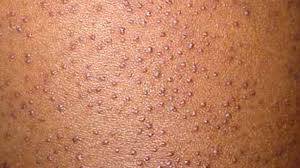
Do you notice tiny bumps on your arms, thighs, or cheeks that resemble goosebumps or the surface of a strawberry? You may be dealing with a common skin condition called keratosis pilaris, often nicknamed “strawberry skin.” While harmless, this condition can be frustrating, especially when you're aiming for smooth, clear skin. Let’s explore what causes keratosis pilaris, how to recognize it, and the most effective ways to treat and prevent it.
What Is Keratosis Pilaris?
Keratosis pilaris is a benign skin condition caused by a buildup of keratin—a protein that protects skin from infections—around hair follicles. This leads to tiny, rough bumps, usually on the upper arms, thighs, buttocks, or cheeks. It’s most common in children and teenagers but can continue into adulthood.
What are Causes of Keratosis Pilaris?
- Excess keratin production: This protein clogs hair follicles and causes the bumps.
- Dry skin: The condition often worsens in colder months.
- Genetics: It tends to run in families.
- Underlying skin conditions: Like eczema or atopic dermatitis.
What are Symptoms of Keratosis Pilaris?
- Small, rough bumps (like sandpaper)
- Redness or irritation around the bumps
- Dry or scaly patches of skin
- Appearance of “gooseflesh” or dotted skin on arms, legs, or face
Who Is at Risk?
- Children and adolescents
- People with dry skin or eczema
- Individuals with a family history of keratosis pilaris
How Is It Diagnosed?
A dermatologist can typically diagnose keratosis pilaris through a physical exam—no tests needed. The appearance of the skin is often distinctive enough.
What is the Treatment and Management for Keratosis pilaris?
Although there's no cure, consistent skincare can significantly reduce its appearance:
Moisturizing Creams
Look for lotions with urea, lactic acid, or glycolic acid to soften and smooth the skin.
Gentle Exfoliation
Use mild exfoliants (chemical or physical) to remove dead skin cells. Avoid harsh scrubs that can irritate.
Hydration
Keep your skin well-moisturized—especially in dry weather.
Prescription Creams
In stubborn cases, dermatologists may recommend retinoids (like tretinoin) to increase cell turnover.
Laser Treatments
For persistent redness or bumps, laser therapy may help reduce inflammation.
What are Home Tips to Prevent Keratosis Pilaris?
- Avoid hot showers which dry out the skin
- Use a humidifier during winter
- Wear breathable clothing
- Gently pat skin dry instead of rubbing
When to See a Doctor?
If the condition worsens, becomes itchy, or affects your confidence, consult a dermatologist. While keratosis pilaris is harmless, professional treatments can greatly improve the skin’s texture and appearance.
Bottom Line
Strawberry skin may be common and harmless, but you don’t have to live with it. With the right skincare routine and expert guidance, smoother, softer skin is possible.
If you still need to consult a doctor regarding this condition, you can easily book an appointment through Vezeeta
Related Keywords
Specialized Doctors



References
Mayo Clinic. Keratosis Pilaris.
https://www.mayoclinic.org/diseases-conditions/keratosis-pilaris
Cleveland Clinic. Keratosis Pilaris (Chicken Skin): Causes, Symptoms & Treatment.
https://my.clevelandclinic.org/health/diseases/17733-keratosis-pilaris
American Academy of Dermatology (AAD). Keratosis Pilaris: Overview.
https://www.aad.org/public/diseases/a-z/keratosis-pilaris-overview
NHS (National Health Service, UK). Keratosis Pilaris.
https://www.nhs.uk/conditions/keratosis-pilaris
MedlinePlus. Keratosis Pilaris.
https://medlineplus.gov/keratosispilaris.html
Specialized Doctors