Pabal 100 mcg/ml Ampoules: Uses, Dose, Side Effects, and Price
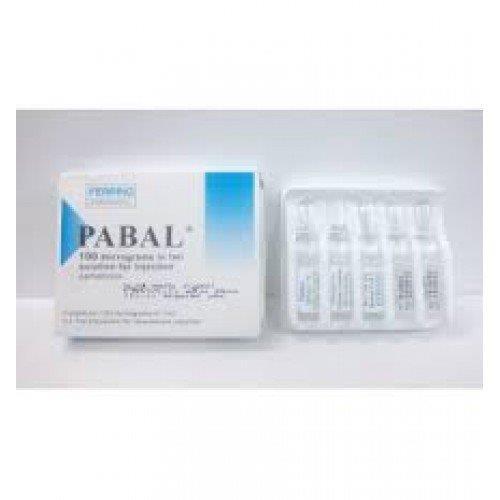
What is Pabal and what does it contain
Pabal is a prescription injectable uterotonic medicine. Its active ingredient is carbetocin, a medicine related to oxytocin. It works by stimulating oxytocin receptors in the uterine muscle, helping the uterus contract firmly after delivery. Strong uterine contraction after birth is important because it helps compress blood vessels where the placenta was attached and reduces the risk of excessive bleeding.
Pabal amp 100 mcg/ml is usually used in hospitals or delivery units by trained healthcare professionals. It is not intended for self-injection, routine menstrual bleeding, abortion without medical supervision, or starting labor.
| FeatureDetails | |
| Brand | Pabal |
| Active ingredient | Carbetocin |
| Strength discussed | 100 micrograms/ml |
| Form | Intravenous ampoules |
| Main use | Helping control bleeding after delivery by supporting uterine contraction |
The product page for Pabal 100 mcg/ml 5 IV ampoules on Vezeeta may help patients check availability through Vezeeta Pharmacy.
What is Pabal used for
Pabal is mainly used after delivery to help control postpartum bleeding. It is especially relevant when the uterus needs support to contract well after childbirth, including after cesarean delivery when the doctor decides that a uterotonic medicine is needed.
Postpartum bleeding can become serious quickly, so Pabal is used in a clinical setting where the mother can be monitored. The doctor will assess blood loss, uterine tone, blood pressure, pulse, and whether additional treatment is required. Women with pregnancy, delivery, or postpartum concerns can book a gynecologist on Vezeeta. If the search intent is related to cesarean delivery, this Vezeeta guide on cesarean delivery tips may also be useful.
Pabal dosage and how to use it
The commonly referenced adult dose of carbetocin for helping control bleeding after delivery is 100 micrograms, equivalent to 1 ml of a 100 mcg/ml ampoule, injected slowly into a vein over about 1 minute after delivery of the baby. The exact timing and suitability must be decided by the obstetrician, anesthetic team, or hospital protocol.
Pabal should not be repeated automatically if bleeding continues. Persistent bleeding after a uterotonic injection needs urgent medical reassessment because causes may include uterine atony, retained placental tissue, genital tract injury, clotting problems, or another obstetric emergency.
Should Pabal be taken before or after food?
Food does not affect Pabal because it is given as an intravenous injection in a hospital or delivery-room setting. The patient should follow the hospital’s instructions about fasting before cesarean delivery or anesthesia; these instructions are related to surgery and anesthesia, not to food absorption of Pabal.
What should you do after a missed dose?
Pabal is not a medicine taken on a daily schedule, so the usual concept of a missed dose does not apply. If it was not given when expected, the medical team decides whether it is still needed based on uterine contraction and bleeding status.
How long does Pabal take to work
Because Pabal is given into a vein after delivery, the medical team expects an effect during the immediate postpartum period and monitors the mother closely. The practical sign of response is improved uterine tone and better control of bleeding. If the uterus remains soft or bleeding continues, the team should investigate and treat the cause promptly rather than relying only on another dose.
What are the side effects of Pabal
Like all medicines, Pabal may cause side effects, although not every patient experiences them. Possible side effects include:
- Abdominal pain or uterine cramping.
- Nausea or vomiting.
- Headache, dizziness, light-headedness, or faintness.
- Feeling warm, sweating, trembling, or unusual tiredness.
- Itching or skin discomfort.
- Back pain or a metallic taste.
- Fast heartbeat, chest discomfort, shortness of breath, chills, or paleness in less common cases.
Which symptoms need urgent care?
Urgent medical attention is needed if there is heavy or continuing bleeding, fainting, severe dizziness, chest pain, breathing difficulty, severe allergic reaction, swelling of the face or throat, very fast heartbeat, confusion, seizures, or symptoms suggesting fluid overload or low sodium such as severe headache, vomiting, marked drowsiness, or convulsions.
Contraindications and precautions
Pabal should not be used in patients with known allergy to carbetocin, oxytocin-like medicines, or any component of the injection. It should not be given before the baby is delivered and should not be used to induce or speed up labor. It should be used carefully in women with heart or blood-vessel disease and in any patient whose clinical condition makes strong uterine contraction or changes in blood pressure risky.
Extra caution may be needed in patients with asthma, migraine, epilepsy, cardiovascular disease, or significant fluid and electrolyte problems. If bleeding continues after Pabal, the patient must be reassessed for obstetric causes rather than assuming the medicine has failed in isolation.
Pabal drug interactions
Before Pabal is administered, the medical team should know about all medicines used during pregnancy, labor, anesthesia, and surgery. Important interaction concerns include other uterotonic medicines, prostaglandins such as misoprostol, blood-pressure medicines, drugs that may lower blood pressure, anesthetic agents, and vasoconstrictor medicines used during some anesthesia procedures. Combining medicines that affect uterine contraction, blood pressure, or heart rhythm requires monitoring.
Pabal during pregnancy and breastfeeding
Pabal is used after delivery, not as a treatment during ongoing pregnancy. It should not be used before birth to induce labor because prolonged uterine contraction before delivery can endanger the mother and baby. During breastfeeding, the decision is medical and depends on the mother’s condition and the potential benefit versus risk. Since Pabal is given as a single hospital dose after birth, doctors usually consider the overall postpartum situation when advising about breastfeeding.
Can Pabal be taken every day and long term
No. Pabal is not a daily or long-term medicine. It is a single-dose injectable medicine used around the time of delivery for a specific medical purpose. Repeated or long-term use is not appropriate unless a specialist makes a specific emergency decision in a monitored setting.
What are the alternatives to Pabal
Alternatives depend on the reason for use and the mother’s condition. Options used in postpartum bleeding management may include oxytocin, misoprostol, methylergometrine, carboprost, uterine massage, intravenous fluids, blood products, examination for retained placenta or injury, balloon tamponade, or surgery in severe cases. These are not automatic substitutes. The safest choice depends on blood pressure, asthma history, heart disease, bleeding severity, and the cause of hemorrhage.
Pabal price in Egypt
The price of Pabal amp in Egypt may change depending on availability, pharmacy updates, pack size, and supply conditions. To avoid outdated price information, check the verified Pabal amp product page on Vezeeta or ask a licensed pharmacist. Do not buy or use Pabal without a doctor’s prescription and supervision.
Frequently asked questions
What is Pabal injection?
Pabal injection is an intravenous carbetocin ampoule used after delivery to help the uterus contract and reduce bleeding risk.
What are the uses of Pabal?
Its main use is helping control postpartum bleeding by improving uterine contraction after the baby is delivered.
Is Pabal used before childbirth?
No. It should not be used before delivery or for labor induction. It is intended for use after the baby is born.
What is the active ingredient in Pabal amp?
The active ingredient is carbetocin, an oxytocin-like uterotonic medicine.
What is the dose of Pabal 100 mcg/ml amp?
A common adult dose is 100 micrograms, or 1 ml, given slowly into a vein after delivery. The treating team decides the dose and timing.
Can Pabal be injected at home?
No. It should be administered by trained healthcare professionals in a monitored obstetric setting.
What is the price of Pabal amp?
The price can change. Check Vezeeta Pharmacy or a licensed pharmacy for the current price and availability.
What is the alternative to Pabal injection?
Possible alternatives include oxytocin and other postpartum hemorrhage treatments, but the doctor must choose based on the patient’s condition.
Does Pabal stop all postpartum bleeding?
No. It helps uterine contraction, but continued bleeding may have other causes that need urgent assessment.
Does Pabal affect breastfeeding?
Breastfeeding advice should be individualized. The doctor weighs the benefit of controlling bleeding against any potential infant risk.
Is Pabal the same as oxytocin?
No. It is related to oxytocin and acts on similar uterine receptors, but it is a different medicine with its own dosing and precautions.
Can Pabal cause dizziness?
Yes, dizziness, light-headedness, or faintness may occur. In the hospital, staff monitor the mother after administration.
Medical disclaimer
The information in this article is provided for general health education and does not replace medical advice from a doctor or pharmacist. Do not start, stop, or change the dose of any medication without consulting a qualified healthcare professional.