Oxytocin injection: uses, dosage, side effects, and price in Egypt
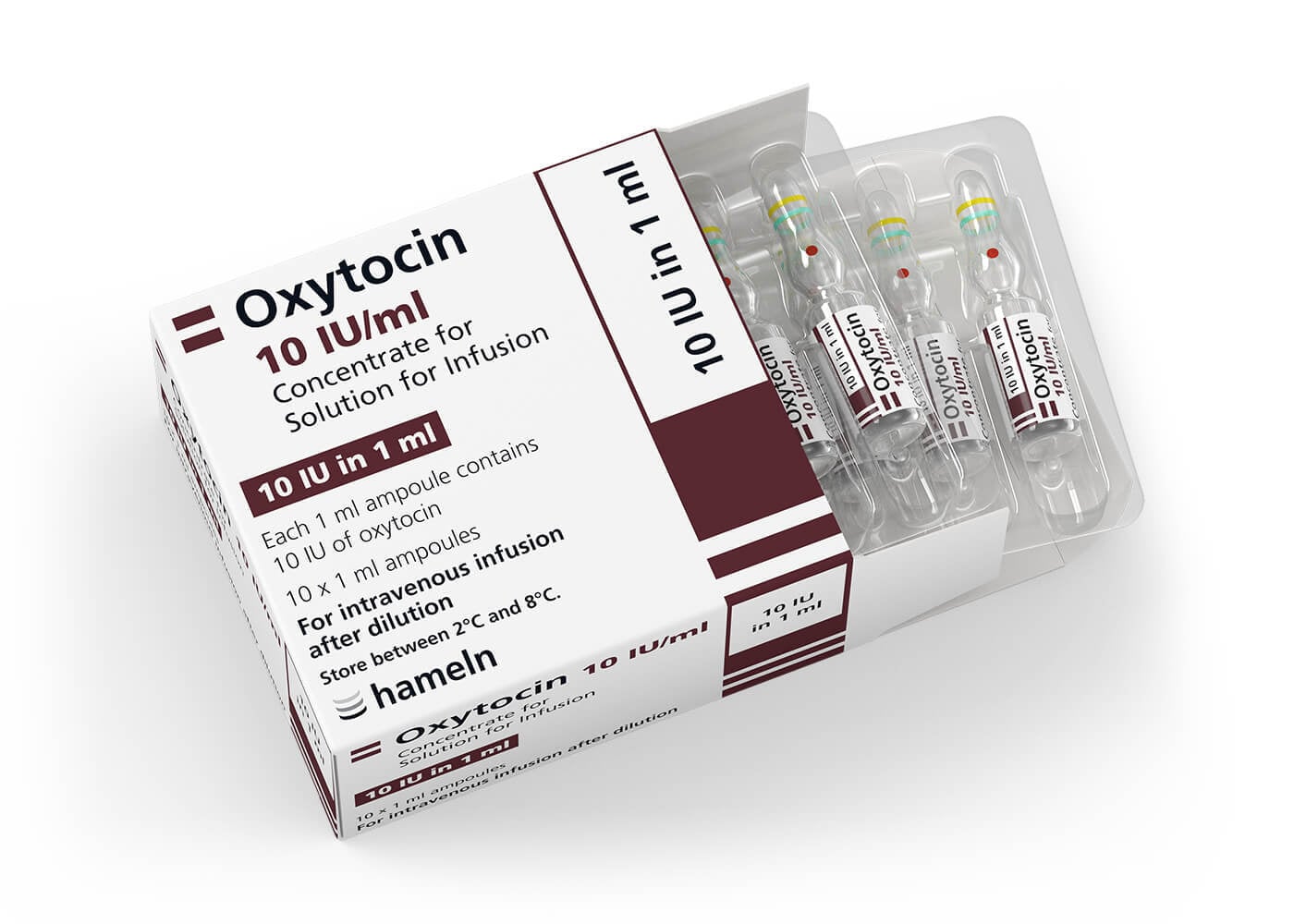
What is Oxytocin and what does it contain
Oxytocin is a synthetic form of the natural hormone oxytocin. In medical use, it belongs to uterotonic agents, medicines that increase uterine contraction. It is mainly used by obstetrics teams to induce or strengthen labor when there is a medical reason, and to help reduce uterine bleeding after delivery by making the uterus contract firmly.
| FeatureDetails | |
| Brand | Oxytocin |
| Active ingredient | Oxytocin |
| Strength discussed | 10 I.U./mL, 10 ampoules |
| Form | Injection ampoules for intravenous infusion or intramuscular use by healthcare professionals |
| Main use | Medical induction or stimulation of labor and control of postpartum uterine bleeding |
You can review Oxytocin 10 I.U./mL 10 ampoules on Vezeeta for product availability and pharmacy details in Egypt.
What is Oxytocin used for
Oxytocin injection is used for medical, not convenience-based, obstetric indications. Recognized uses include starting labor when early vaginal delivery is suitable for the mother or fetus, strengthening weak uterine contractions during labor, assisting supervised management of incomplete or inevitable abortion in selected hospital situations, and producing uterine contractions after delivery to control postpartum bleeding.
Because it acts directly on the uterus, Oxytocin should be used only where clinical monitoring is available. If you need pregnancy, delivery, or postpartum assessment, you can book a gynecologist on Vezeeta. Decisions about induction, cesarean delivery, or postpartum bleeding should be made by the treating obstetric team, not by using ampoules at home.
Oxytocin dosage and how to use it
Oxytocin dosage is individualized according to the reason for use, uterine response, fetal heart rate, cervical status, bleeding, and the mother’s condition. For labor induction or stimulation, it is generally given as a diluted intravenous infusion using a controlled infusion device in a hospital. The infusion is started at a low rate and adjusted gradually by the medical team. Intramuscular injection is not recommended for inducing or strengthening labor because its effect is less controllable.
For postpartum uterine bleeding, Oxytocin may be given by intravenous infusion or by intramuscular injection after delivery of the placenta, according to the clinician’s assessment. In abortion-related care, it may be used only as part of supervised medical management. It is not a home abortion method, and the dose should never be copied from another patient.
Before or after food
Food does not affect Oxytocin injection because it is not taken by mouth. It is administered by healthcare professionals through IV infusion or IM injection.
Missed dose
There is no usual home missed-dose schedule for Oxytocin. If an infusion is stopped, delayed, or missed in hospital, the obstetric team decides whether to restart, reduce, increase, or stop it based on contractions, bleeding, fetal monitoring, and maternal safety.
How long does Oxytocin take to work
When Oxytocin is infused intravenously, uterine contractions may increase soon after the infusion begins, and the effect can be adjusted by changing or stopping the infusion. When the infusion is stopped, uterine stimulation usually decreases soon. The exact timing varies with pregnancy stage, uterine sensitivity, dose, route, and reason for use.
For the searched question about abortion injection timing, Oxytocin may be used in hospital to help uterine evacuation in specific incomplete, inevitable, or second-trimester situations. It should not be used at home to cause abortion because excessive contractions, severe bleeding, infection, uterine rupture, fetal harm, or maternal harm can occur.
What are the side effects of Oxytocin
Side effects are often related to dose and uterine response. Possible maternal effects include nausea, vomiting, painful or prolonged contractions, uterine overactivity, postpartum bleeding, changes in heart rhythm, low or high blood pressure in certain settings, allergic reaction, and fluid overload or water intoxication with prolonged high-dose infusion.
Possible fetal or newborn effects can include changes in fetal heart rate, reduced oxygen supply if contractions are too strong or too frequent, low Apgar score, jaundice, retinal hemorrhage, and, rarely, serious injury when complications are not corrected promptly.
Urgent symptoms
Urgent assessment is needed for very strong or continuous contractions, heavy bleeding, fainting, chest pain, breathing difficulty, severe headache, seizures, swelling of the face or throat, signs of fetal distress on monitoring, or sudden severe abdominal pain.
Contraindications and precautions
Oxytocin must not be used when vaginal delivery is contraindicated, such as major cephalopelvic disproportion, certain abnormal fetal positions that cannot be delivered vaginally, cord presentation or prolapse, total placenta previa, vasa previa, fetal distress when delivery is not imminent, hypertonic uterine patterns, or hypersensitivity to oxytocin.
Extra caution is required with previous major uterine or cervical surgery, including cesarean section, overdistended uterus, grand multiparity, prematurity, severe toxemia, borderline pelvic adequacy, uterine infection history, or any factor that increases uterine rupture risk. Continuous observation is essential during IV use.
Oxytocin drug interactions
Important interactions include some anesthetic, cardiovascular, and uterotonic medicines. Certain anesthetics may increase cardiovascular effects such as low blood pressure or rhythm changes. Vasoconstrictor medicines used around regional anesthesia may increase the risk of severe high blood pressure when followed by Oxytocin. Prostaglandins and other labor-inducing medicines may also intensify uterine activity, so timing and monitoring matter. Tell the doctor about all medicines, anesthetics, blood pressure medicines, supplements, and herbal products used.
Oxytocin during pregnancy and breastfeeding
Oxytocin is used during pregnancy only for specific medical obstetric indications and under supervision. It is not intended for elective labor induction simply for convenience, and it is not generally used in the first or second trimester except in relation to spontaneous or induced abortion care where clinically indicated.
During breastfeeding, oxytocin is a natural milk-ejection hormone, but injected Oxytocin is still a medication. Effects on the infant are considered unlikely when used appropriately, yet the healthcare team should know that the mother is breastfeeding, especially around delivery and early lactation.
Can Oxytocin be taken every day and long term
No. Oxytocin injection is not a daily or long-term outpatient medicine. It is used for short periods in a monitored obstetric setting. Prolonged or excessive infusion can cause dangerous uterine overactivity and water intoxication, so duration and dose must be carefully controlled.
What are the alternatives to Oxytocin
Alternatives depend on the reason for treatment. For cervical ripening or induction, doctors may consider prostaglandin medicines or mechanical methods. For postpartum bleeding, alternatives may include other uterotonic medicines such as methylergonovine, carboprost, or misoprostol, depending on contraindications. Do not substitute any of these medicines without medical direction.
Oxytocin price in Egypt
The price of Oxytocin ampoules in Egypt may change according to availability, pharmacy, and offers. To avoid outdated prices, check the verified Oxytocin product page on Vezeeta Pharmacy or ask a licensed pharmacist before purchasing.
Frequently asked questions
What is Oxytocin?
Oxytocin is a hormone-like medicine that stimulates uterine contractions. It is used in obstetrics for medically indicated labor induction, labor stimulation, and control of bleeding after childbirth.
What does Oxytocin do?
It binds to oxytocin receptors in uterine muscle, increasing the strength and frequency of contractions. After delivery, this helps the uterus tighten and reduce bleeding.
What are other names for Oxytocin?
Oxytocin is the generic name. Brand or product names may include Oxytocin injection, Pitocin, Syntocinon, and local ampoule brands, depending on country availability.
Is Oxytocin the love hormone?
The body’s natural oxytocin is sometimes called the love or bonding hormone, but Oxytocin injection is a prescription obstetric medicine with strong uterine effects.
How to use Oxytocin injection for abortion?
Do not use Oxytocin injection for abortion at home. In abortion-related care, it may be used only in specific supervised hospital situations after medical assessment and monitoring.
When does the effect of Oxytocin injection for abortion start?
The timing varies by pregnancy stage, dose, route, and uterine sensitivity. If used for abortion-related care, monitoring is needed because strong contractions and bleeding can be dangerous.
When should Oxytocin be stopped?
The infusion should be stopped by the medical team if uterine hyperactivity, fetal distress, excessive contractions, serious side effects, or adequate clinical response occurs.
Why can Oxytocin cause hypotension?
Rapid IV administration or interaction with certain anesthetics may affect blood vessels and heart rhythm, leading to low blood pressure in some settings.
How long do the effects of Oxytocin last?
With IV infusion, effects can decrease relatively soon after stopping. The total clinical effect depends on dose, duration, route, and uterine response.
Can Oxytocin be used without a doctor?
No. It should be administered only by trained healthcare professionals, especially during labor, because the mother and fetus may require continuous monitoring.
Is Oxytocin safe after cesarean section?
Previous cesarean section can increase uterine rupture risk in some situations. Use requires individualized specialist assessment and close monitoring.
Does Oxytocin affect the baby?
If contractions become too frequent or strong, fetal oxygen supply and heart rate can be affected. This is why fetal monitoring is important during labor use.
Medical disclaimer
The information in this article is provided for general health education and does not replace medical advice from a doctor or pharmacist. Do not start, stop, or change the dose of any medication without consulting a qualified healthcare professional.