Oxaprin-Misr 600 mg tablets: uses, dosage, side effects, and price
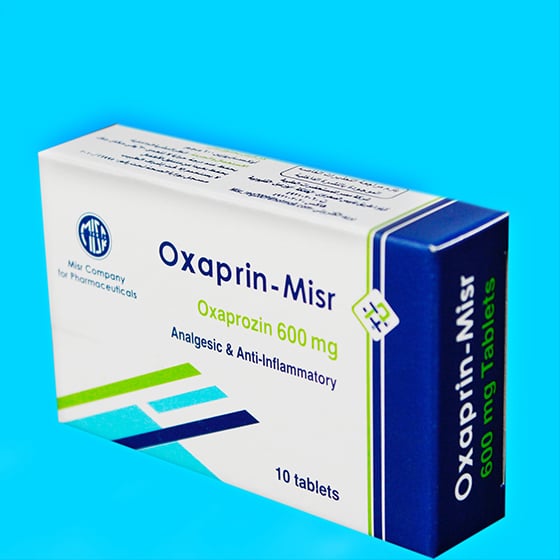
What is Oxaprin-Misr and what does it contain
Oxaprin-Misr 600 mg is an oral tablet brand containing oxaprozin. Oxaprozin is a nonsteroidal anti-inflammatory drug, or NSAID, that reduces inflammatory pain by blocking cyclooxygenase enzymes involved in prostaglandin production. Prostaglandins contribute to pain, swelling, and joint inflammation, but they also help protect the stomach lining and support kidney blood flow. This is why oxaprozin may improve arthritis symptoms but can also cause stomach, kidney, bleeding, and cardiovascular risks in some patients.
| FeatureDetails | |
| Brand | Oxaprin-Misr |
| Active ingredient | Oxaprozin |
| Strength discussed | 600 mg |
| Form | Oral tablets, pack of 10 tablets |
| Main use | Relief of signs and symptoms of osteoarthritis and rheumatoid arthritis |
You can review the product page for Oxaprin-Misr 600 mg - 10 tablets on Vezeeta.
What is Oxaprin-Misr used for
Oxaprin-Misr is used for symptomatic relief in inflammatory joint conditions, mainly osteoarthritis and rheumatoid arthritis. In osteoarthritis, it may reduce joint pain, swelling, and stiffness. In rheumatoid arthritis, it may ease pain and morning stiffness, but it does not treat the autoimmune cause of the disease or prevent joint damage on its own.
If joint pain is recurrent, associated with swelling, or causes prolonged morning stiffness, assessment by a rheumatology specialist is important. You can book a rheumatologist in Egypt on Vezeeta. For background reading, Vezeeta also has articles about rheumatoid arthritis and knee osteoarthritis.
Oxaprin-Misr dosage and how to use it
The usual adult maintenance dose of oxaprozin for osteoarthritis or rheumatoid arthritis is commonly 1200 mg once daily, equal to two 600 mg tablets, when prescribed. Some adults may need a different plan depending on weight, kidney function, liver function, ulcer history, blood pressure, heart risk, and response. The maximum adult dose is generally 1800 mg daily or 26 mg/kg daily, whichever is lower.
Use the lowest effective dose for the shortest time that controls symptoms. Do not combine Oxaprin-Misr with other NSAIDs such as ibuprofen, diclofenac, naproxen, ketoprofen, ketorolac, celecoxib, or high-dose aspirin unless a doctor specifically instructs you to do so.
Difference between strengths/variants
This article discusses Oxaprin-Misr 600 mg tablets. Other oxaprozin products or package sizes may exist. Do not switch brands or strengths without checking the active ingredient and prescribed dose.
Should Oxaprin-Misr be taken before or after food
Oxaprozin may be taken with food or milk if it upsets the stomach. Food may slow absorption speed, but it can reduce nausea, indigestion, or stomach discomfort.
What should you do after a missed dose
If you miss a dose, take it when remembered unless the next dose is near. If it is nearly time for the next dose, skip the missed one. Do not double doses.
How long does Oxaprin-Misr take to work
Oxaprozin reaches peak blood levels in about 2 to 3 hours, but arthritis symptom relief may take longer than one dose. Several days of regular prescribed use may be needed for full benefit. Severe, sudden, red, hot, traumatic, or fever-associated joint pain needs medical evaluation rather than dose escalation.
What are the side effects of Oxaprin-Misr
Common side effects may include indigestion, stomach pain, nausea, diarrhea, constipation, gas, headache, dizziness, rash, ankle swelling, and fluid retention. Some patients may notice higher blood pressure.
Serious risks include stomach ulcer or bleeding, kidney injury, liver injury, severe allergic reaction, severe skin reactions, heart attack, stroke, worsening heart failure, anemia, and high potassium. Seek urgent help for chest pain, shortness of breath, one-sided weakness, slurred speech, black stools, vomiting blood, severe stomach pain, reduced urination, face or throat swelling, wheezing, blistering rash, yellow skin or eyes, sudden weight gain, or marked leg swelling.
Contraindications and precautions
Oxaprin-Misr should not be used by anyone allergic to oxaprozin or NSAIDs. It is contraindicated around coronary artery bypass graft surgery. Avoid it if aspirin or another NSAID previously caused asthma attacks, hives, severe allergy, or breathing problems.
Tell your doctor before use if you have a history of stomach ulcer or bleeding, inflammatory bowel disease, heart attack, stroke, heart failure, high blood pressure, kidney disease, liver disease, bleeding disorder, anemia, asthma, nasal polyps, dehydration, or if you are elderly. Long-term users may need blood pressure checks, kidney and liver tests, and blood counts.
Oxaprin-Misr drug interactions
Important interactions include warfarin and other anticoagulants, aspirin and clopidogrel, SSRIs or SNRIs, corticosteroids, other NSAIDs, lithium, methotrexate, cyclosporine, digoxin, pemetrexed, diuretics, ACE inhibitors, angiotensin receptor blockers, and beta-blockers. These combinations may increase bleeding, kidney injury, high blood pressure, toxicity of another medicine, or reduced blood pressure control.
Do not start over-the-counter painkillers, cold medicines, herbal products, or anti-inflammatory medicines while using Oxaprin-Misr without asking a pharmacist or doctor.
Oxaprin-Misr during pregnancy and breastfeeding
NSAIDs such as oxaprozin should generally be avoided from 20 weeks of pregnancy onward unless a doctor decides they are necessary, because they may affect fetal kidneys and amniotic fluid. From 30 weeks onward, they may also cause premature closure of a fetal heart vessel. Oxaprozin is not usually preferred for women trying to conceive unless medically necessary.
During breastfeeding, human milk excretion and infant effects are not well established. A doctor may recommend another medicine with more breastfeeding safety experience.
Can Oxaprin-Misr be taken every day and long term
Oxaprin-Misr may be prescribed once daily for chronic arthritis symptoms, but daily long-term use requires medical supervision. Monitoring is important for stomach bleeding, blood pressure changes, swelling, kidney function, liver function, and anemia. Do not continue it for weeks or months without review.
What are the alternatives to Oxaprin-Misr
Alternatives depend on the diagnosis. Osteoarthritis options may include weight management, physiotherapy, topical NSAIDs, suitable pain relievers, joint injections, or orthopedic assessment. Rheumatoid arthritis may require disease-modifying medicines such as methotrexate or biologic therapies under specialist care. Other oxaprozin brands may be possible if the dose and active ingredient match.
Oxaprin-Misr price in Egypt
The price of Oxaprin-Misr 600 mg in Egypt can change according to availability and pricing updates. For current availability and price, check Oxaprin-Misr 600 mg on Vezeeta or ask a licensed pharmacist.
Frequently asked questions
What is oxaprozin?
Oxaprozin is a nonsteroidal anti-inflammatory drug used to relieve inflammation-related pain, swelling, and stiffness, mainly in osteoarthritis and rheumatoid arthritis.
What is oxaprozin prescribed for?
It is prescribed for signs and symptoms of osteoarthritis and rheumatoid arthritis. Pediatric use requires specialist dosing.
Is Oxaprin-Misr a painkiller?
Yes, it can relieve pain, but it is an NSAID with anti-inflammatory effects and important stomach, kidney, bleeding, and heart warnings.
Is Oxaprin-Misr used for rheumatoid arthritis?
Yes, it may reduce rheumatoid arthritis pain and stiffness, but it does not replace disease-modifying treatment when needed.
Is Oxaprin-Misr used for osteoarthritis or knee roughness?
It may be prescribed for osteoarthritis pain and inflammation, including knee osteoarthritis, if NSAID use is suitable for the patient.
Can Oxaprin-Misr be taken with ibuprofen or diclofenac?
No, unless a doctor specifically says so. Combining NSAIDs increases the risk of stomach bleeding, kidney injury, and side effects.
Does Oxaprin-Misr cause weight gain?
It is not a weight-gain medicine. Sudden weight gain with swelling may suggest fluid retention and needs medical advice.
Can patients with high blood pressure take it?
Only with medical approval, because NSAIDs may raise blood pressure and reduce the effect of some blood pressure medicines.
Can kidney patients take Oxaprin-Misr?
Kidney patients should not take it without medical supervision, especially with dehydration, diuretics, ACE inhibitors, or ARBs.
What should I do if I take too much?
Contact emergency services or a poison center immediately, especially with severe drowsiness, vomiting, stomach pain, black stools, fainting, breathing difficulty, or reduced urination.
Medical disclaimer
The information in this article is provided for general health education and does not replace medical advice from a doctor or pharmacist. Do not start, stop, or change the dose of any medication without consulting a qualified healthcare professional.