Is Peripheral Neuropathy Dangerous? And How Can It Be Treated?
What Is Peripheral Neuropathy?
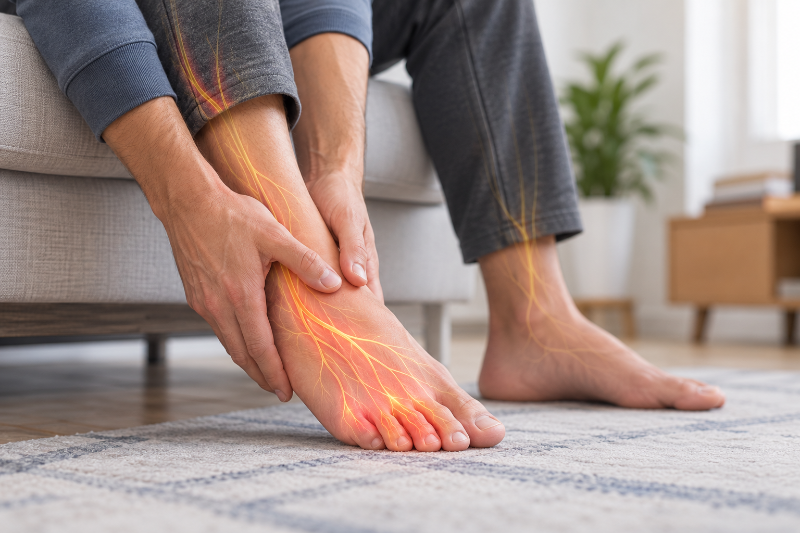
Peripheral neuropathy (known in medicine as Peripheral Neuropathy) is a condition where the nerves outside the brain and spinal cord get damaged or stop working properly. These nerves are responsible for carrying signals between the central nervous system and the rest of the body, handling everything from sensation to movement.
When those nerves take a hit, you might notice symptoms like numbness, tingling, burning, or outright pain. In some cases, it goes further, causing muscle weakness or a complete loss of feeling in your hands or feet.
Symptoms of Peripheral Neuropathy
Most of the time, symptoms don't show up overnight. They creep in slowly, often starting in the feet and legs before spreading to the hands and arms.
It might begin as mild numbness in your toes, then turn into a persistent pins-and-needles sensation. As things progress, you could experience:
- A burning feeling or nerve pain in the feet or hands
- Gradual numbness and loss of sensation
- Extreme sensitivity to touch, where even clothing brushing against skin becomes painful
- Sudden zaps or electric shock-like sensations
- Muscle weakness and difficulty moving the limbs
- Loss of balance and stumbling while walking
- Trouble sensing heat or cold
- Ulcers or wounds developing on the feet without you realizing it, especially common in people with diabetes
Symptoms vary from person to person depending on which nerves are affected and what's causing the damage.
What Causes Peripheral Neuropathy?
When someone tries to figure out why they're dealing with recurring tingling or burning, they often discover there's more than one possible cause.
Diabetes is by far the most common culprit. Prolonged high blood sugar levels can damage both nerves and the tiny blood vessels that supply them. This is what doctors call diabetic neuropathy.
But diabetes isn't the only trigger. Peripheral neuropathy can also be linked to:
- Vitamin deficiencies, especially vitamin B12
- Autoimmune diseases
- Kidney or liver disease
- Certain infections
- Exposure to toxins
- Chronic alcohol use
- Some medications, including certain cancer treatments
- Thyroid disorders
- Hereditary conditions
- Nerve injuries or sustained pressure on the nerves
And in some cases, doctors can't pinpoint a clear cause at all. That's called idiopathic peripheral neuropathy.
Is Peripheral Neuropathy Dangerous?
On its own, peripheral neuropathy isn't typically life-threatening. The real danger comes from leaving the underlying cause untreated.
Picture someone who steps on something sharp but doesn't feel it because of nerve damage. They keep walking on the wound without realizing. Days later, it's turned into an ulcer or an infection. This risk is especially high for people with diabetes, who already face a greater chance of foot complications.
Weakened motor nerves can also lead to muscle deterioration, balance problems, and repeated falls.
The bottom line: how dangerous peripheral neuropathy gets depends on what's behind it, how much nerve damage has already occurred, and how quickly treatment begins.
Can Peripheral Neuropathy Be Cured?
This is the question most patients ask, and the answer depends on the cause and how far the damage has gone.
If the cause is treatable and caught early, nerve function can improve, sometimes significantly. Correcting a vitamin B12 deficiency or getting diabetes under better control, for example, can stop further nerve damage and allow symptoms to ease.
But when the damage is severe or tied to a chronic condition, the goal shifts. Full nerve recovery may not be realistic. Instead, treatment focuses on stopping the progression, managing pain, and improving mobility and quality of life.
Every case is different, so there's no one-size-fits-all answer about recovery timelines or outcomes without knowing the specific cause and extent of damage.
Treating Peripheral Neuropathy
Treatment starts with identifying the root cause, then focuses on easing symptoms and protecting the nerves from further harm. A treatment plan usually includes:
- Treating the cause: controlling blood sugar in diabetic neuropathy, correcting B12 deficiency, or managing thyroid problems
- Managing nerve pain: doctors may prescribe specific medications to address burning, tingling, and other nerve-related pain, depending on symptom severity
- Physical therapy: helps rebuild muscle strength, improve balance, and restore movement when walking has become difficult
- Foot care: particularly important for people with diabetes, to catch cuts and ulcers early (since the patient may not feel them)
- Healthy lifestyle habits: a balanced diet, regular physical activity, and avoiding smoking and alcohol all play a role
Treatment works best when it starts early. The sooner the cause is identified, the better the chances of keeping symptoms under control and slowing further nerve damage.
What's the Best Treatment for Peripheral Neuropathy?
Treating the underlying cause is hands down the most important step. Whether it's diabetes, B12 deficiency, or something else entirely, tackling the root problem gives nerves the best shot at recovery. Pain medications targeting nerve symptoms may be needed alongside physical therapy to restore strength and balance. The doctor tailors the plan based on the specific cause, the severity of damage, and which symptoms are causing the most trouble.
How Long Does Treatment Take?
There's no fixed timeline. How long treatment takes depends on what's causing the neuropathy, how severe it is, how much nerve damage exists, and how well the patient responds.
In treatable cases, improvement may begin gradually after the underlying issue is addressed. Chronic cases, on the other hand, often require long-term management to keep symptoms from getting worse.
One thing that matters: don't stop treatment or change medication doses on your own just because things start feeling better. Any adjustments should be made under your doctor's supervision.
What Does Neuropathy Actually Feel Like?
One of the most frustrating things about peripheral neuropathy is that the pain doesn't feel like ordinary pain from a visible injury.
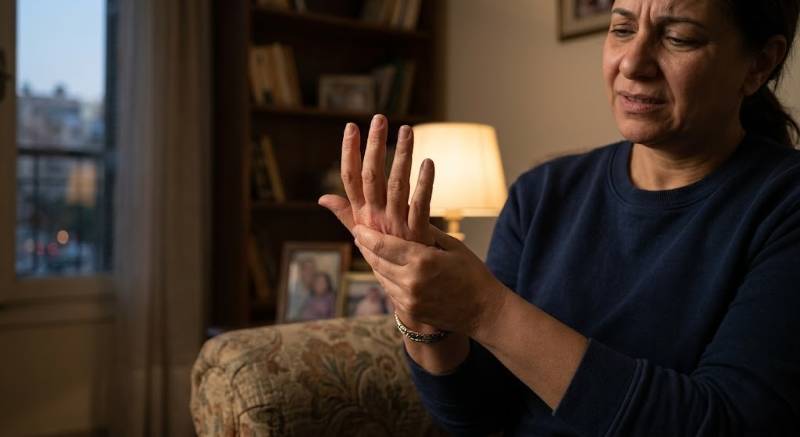
Patients often describe it as a constant burning in their feet, or a pins-and-needles sensation that won't quit, or sudden jolts that feel like electric shocks. Some say it feels like they're wearing thick socks or gloves even though their hands and feet are bare.
On the flip side, some people lose feeling entirely in certain areas. They stop registering cuts, heat, or cold the way they used to.
When motor nerves are involved, muscle weakness sets in. Climbing stairs, walking steadily, or gripping objects becomes noticeably harder.
Which Doctor Should You See?
If you experience persistent numbness, burning pain, or recurring tingling in your hands or feet, a neurologist is the appropriate specialist to evaluate your condition and identify the underlying cause of peripheral neuropathy. You can also explore the best neurologists and check available doctors and appointment times for booking.
Some patients may need care from both a neurologist and other specialists, such as an endocrinologist in cases of diabetes or an internist when chronic conditions or vitamin deficiencies are involved.
In conclusion, although peripheral neuropathy may persist for a long time in some cases, early management can make a significant difference in controlling symptoms and preventing further nerve damage. Treatment depends on the underlying cause, so recurring numbness, burning, or pain in the extremities should not be ignored. The earlier the condition is diagnosed and treated, the better the chances of improving movement and sensation and maintaining quality of life.
If you still need a doctor’s consultation regarding this condition, you can easily book an appointment through Vezeeta.
Related Keywords


Specialized Doctors



References
https://www.mayoclinic.org/diseases-conditions/peripheral-neuropathy/symptoms-causes/syc-20352061
https://www.mayoclinic.org/diseases-conditions/peripheral-neuropathy/diagnosis-treatment/drc-20352067
https://www.ninds.nih.gov/health-information/disorders/peripheral-neuropathy
https://my.clevelandclinic.org/health/diseases/14737-peripheral-neuropathy
https://www.nhs.uk/conditions/peripheral-neuropathy/
https://www.nhs.uk/conditions/peripheral-neuropathy/treatment/
https://www.healthline.com/health/peripheral-neuropathy
https://pubmed.ncbi.nlm.nih.gov/41247746/
Specialized Doctors