Is Fatty Liver Disease Dangerous? And How Is It Connected to Insulin Resistance?

What Is Fatty Liver Disease?
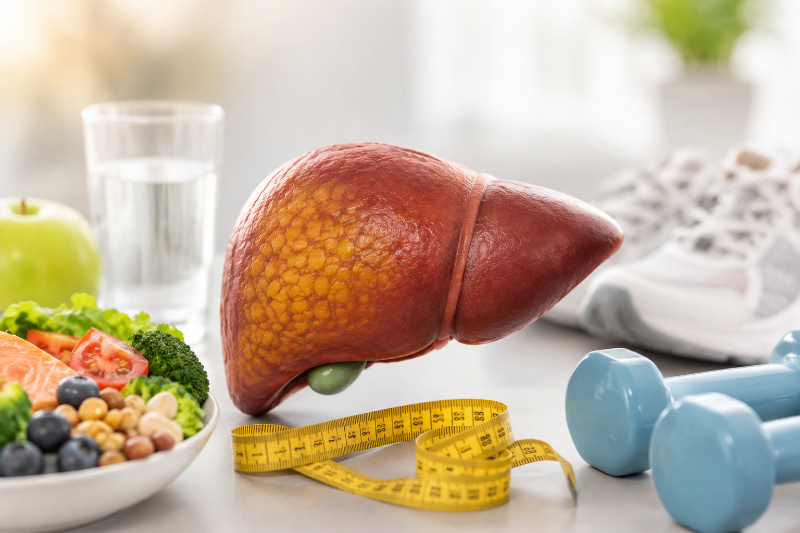
Fatty liver is a condition where fat builds up inside liver cells, exceeding 5% of the liver's total weight. Your liver plays a key role in processing nutrients and filtering harmful substances from your blood, so excess fat can gradually affect how well it works over time.
In its simple form, fatty liver may cause no symptoms and no clear damage. But in some cases, it triggers inflammation that slowly damages liver cells and leads to scar tissue forming in the liver.
What Causes Fatty Liver Disease?
Several factors can raise your chances of developing a fatty liver. At the top of the list: being overweight or obese, especially if you carry extra fat around your belly.
Other risk factors include:
- A diet high in sugar and saturated fats.
- Long stretches of physical inactivity.
- Insulin resistance or type 2 diabetes.
- Elevated triglycerides and cholesterol levels.
- Being overweight or obese.
- Certain medications and health conditions that affect the liver.
- Heavy alcohol consumption, which is the primary driver behind alcoholic fatty liver disease.
What Are the Symptoms of Fatty Liver Disease?
Most of the time, fatty liver doesn't cause any noticeable symptoms in its early stages. You could have fat building up on your liver and not realize it. Many people only find out by accident, through routine blood work, liver function tests, or an abdominal scan done for a completely different reason.
As the condition progresses, some symptoms may start to show up:
- Feeling tired or fatigued.
- A general sense of weakness.
- Pain or a feeling of heaviness in the upper right part of the abdomen.
- Loss of appetite in some cases.
More advanced symptoms, like yellowing of the skin and eyes or swelling in the abdomen and legs, could point to actual liver damage. These need prompt medical evaluation.
Fatty Liver Symptoms in Women
Women don't typically experience symptoms that are drastically different from men, especially during the early stages. The condition can easily go undetected.
As things progress, you might notice:
- Persistent tiredness and fatigue.
- Heaviness or pain in the upper right side of the belly.
- Loss of appetite.
- General weakness.
Some conditions that commonly occur alongside fatty liver, like insulin resistance and polycystic ovary syndrome (PCOS), can increase the likelihood of fat accumulating in the liver in some women.
Fatty Liver Symptoms in Men
Men, too, often show no clear symptoms at first. As fat builds up or inflammation kicks in, some signs may become noticeable:
- Ongoing fatigue.
- General weakness.
- Loss of appetite.
- Pain or heaviness in the upper right abdomen.
Belly fat, in particular, is closely tied to a higher risk of fatty liver disease in men, especially when combined with excess weight or insulin resistance.
What Are the Stages of Fatty Liver Disease?
Not everyone's liver follows the same path. But the condition can move through several stages, particularly when inflammation and ongoing cell damage are involved.
1. Simple Fatty Liver
Fat accumulates in liver cells without significant inflammation or tissue damage. At this point, you probably won't notice any symptoms. Lifestyle changes and addressing the underlying causes can often improve the condition.
2. Steatohepatitis (Liver Inflammation)
The liver becomes inflamed and cells start getting damaged because of the fat buildup. This stage is more concerning, especially if the inflammation continues without treatment or follow-up.
3. Fibrosis
When inflammation persists and cells keep getting damaged, the body responds by forming scar tissue inside the liver. The more scarring there is, the less effectively the liver can do its job.
4. Cirrhosis
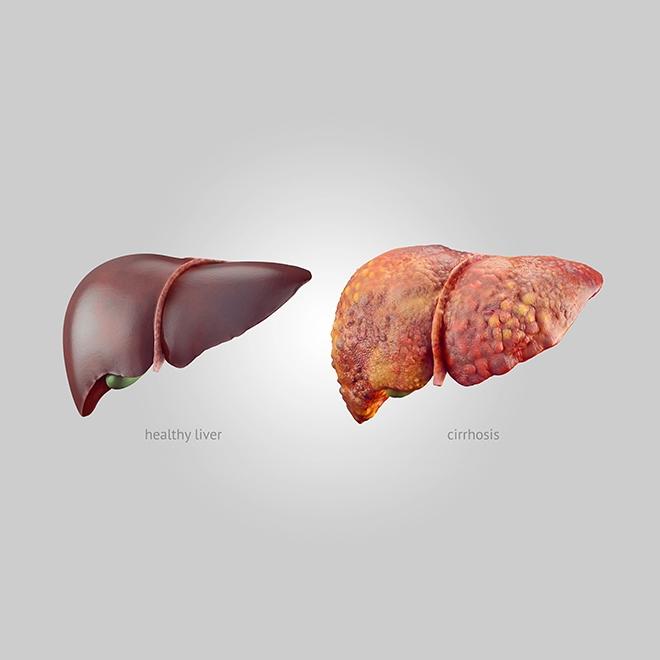
This is the advanced stage. By now, healthy liver tissue has been largely replaced by scar tissue. It can lead to serious loss of liver function and potentially life-threatening complications.
What Are the Types of Fatty Liver Disease?
Fatty liver disease falls into two main categories, based on what's driving the fat buildup:
Non-Alcoholic Fatty Liver Disease (NAFLD)
This type is most commonly linked to obesity, insulin resistance, type 2 diabetes, and high blood lipid levels, alongside poor dietary habits and a sedentary lifestyle.
Alcoholic Fatty Liver Disease
This one is caused by heavy alcohol use. Alcohol promotes fat storage in liver cells, and continued exposure can lead to inflammation and fibrosis.
How Is Fatty Liver Disease Diagnosed?
If your doctor suspects you might have a fatty liver, they'll typically rely on a combination of tests:
- Blood tests to check liver enzymes and liver function.
- An abdominal ultrasound to look for fat deposits.
- Advanced imaging when needed, like a CT scan or MRI.
- Specialized tests to evaluate the degree of liver fibrosis.
- A liver biopsy in specific cases, when the doctor needs a detailed look at the level of inflammation or scarring.
No single test is enough on its own. Your doctor will determine which tests are appropriate based on your symptoms and risk factors.
Is Fatty Liver Disease Dangerous?
In many cases, simple fatty liver doesn't pose an immediate threat, especially if it's caught early and the underlying causes are managed. But ignoring it and letting risk factors go unchecked can allow inflammation to persist and fibrosis to develop.
So if you've been diagnosed with fatty liver, it doesn't necessarily mean your liver has sustained permanent damage. What it does mean is that you should stay on top of it, work on reducing liver fat, and address risk factors to prevent things from getting worse.
What Are the Complications of Fatty Liver Disease?
Without treatment or monitoring, ongoing liver inflammation and tissue damage can lead to serious complications, particularly in later stages:
- Liver fibrosis and cirrhosis.
- Portal hypertension (high blood pressure in the liver's blood vessels).
- Esophageal or gastric varices and bleeding.
- Ascites (fluid buildup in the abdomen).
- Liver failure in advanced stages.
- An increased risk of liver cancer in some people with advanced liver disease.
Is Fatty Liver Disease Contagious?
No. Fatty liver is not an infectious disease. It can't be passed from one person to another through physical contact, sharing food, or breathing.
The condition develops because of metabolic factors, lifestyle habits, genetics, or alcohol consumption in the alcoholic type. It's not caused by any infection that can spread to others.
Is Fatty Liver Disease Hereditary?
Genetics can play a role in making you more susceptible to fatty liver. Some people are more prone to fat buildup in the liver than others, even at similar body weights.
That said, having a genetic predisposition doesn't guarantee you'll develop the condition. Other factors still matter a great deal:
- Body weight.
- Diet.
- Physical activity.
- Blood sugar and lipid levels.
What's the Connection Between Fatty Liver and Diabetes?
There's a strong two-way relationship between fatty liver disease, insulin resistance, and type 2 diabetes. When your body's cells become less responsive to insulin, more fat gets transported and stored in the liver.
On the flip side, having a fatty liver can itself worsen insulin resistance, making blood sugar control even harder for some people.
If you have diabetes or insulin resistance, keeping an eye on liver-related risk factors and maintaining blood sugar within the range your doctor recommends is especially important.
Can You Recover from Fatty Liver Disease?
In the early stages, the amount of fat in the liver can decrease significantly when the root causes are addressed and sustainable lifestyle changes are made. The liver has a solid ability to heal itself. But whether it can return to its normal state depends on how far the disease has progressed, and whether inflammation or fibrosis has already set in.
How Is Fatty Liver Disease Treated?
Treatment depends on the cause and severity. It's mostly centered around lifestyle modifications and managing the conditions that come along with it:
- Gradual weight loss to reduce fat stored in the liver.
- Regular exercise and increased physical activity.
- A balanced diet with less sugar and fewer saturated fats.
- Getting diabetes, blood pressure, cholesterol, and triglycerides under control.
- Ongoing medical follow-up to monitor liver function, fibrosis levels, and treatment response.
Treatment varies from one person to another, depending on the cause and stage of the disease.
Fatty liver disease may start without any symptoms, but it's not something to brush off. If you've been diagnosed with it, catching it early and tackling the root causes, especially excess weight, insulin resistance, and unhealthy eating habits, can go a long way toward reducing liver fat and protecting against fibrosis and complications.
If you still need a doctor’s consultation regarding this condition, you can easily book an appointment through Vezeeta.
Related Keywords
Specialized Doctors



References
https://my.clevelandclinic.org/health/diseases/15831-fatty-liver-disease
https://my.clevelandclinic.org/departments/digestive/medical-professionals/hepatology/nonalcoholic-fatty-liver-disease
https://www.nhs.uk/conditions/non-alcoholic-fatty-liver-disease/
https://www.niddk.nih.gov/health-information/liver-disease/nafld-nash/definition-facts
https://www.niddk.nih.gov/health-information/liver-disease/nafld-nash/treatment
https://www.mayoclinic.org/diseases-conditions/fatty-liver-disease-masld/symptoms-causes/syc-20354567
https://www.healthline.com/health/nonalcoholic-fatty-liver-disease
https://medlineplus.gov/ency/article/007657.htm
Specialized Doctors