Hypothyroidism in Adults: Symptoms, Treatment, and Recovery Time
What Are the Symptoms of Hypothyroidism?
If you have hypothyroidism, you may notice that symptoms appear gradually, so you may not connect them at first. The signs of hypothyroidism vary from person to person depending on the severity and duration of the hormone deficiency.
The most common symptoms include:
- Persistent fatigue: You feel tired and lack energy even after getting enough sleep.
- Weight gain: You notice gradual weight gain despite not eating more than usual.
- Feeling cold: You feel cold while others do not seem to be affected by the same temperature.
- Dry skin and hair loss: Your skin becomes drier, and your hair may become weak or start to fall out.
- Constipation: You have slower bowel movements and difficulty passing stool.
- Muscle weakness and joint pain: You feel heaviness when moving or experience repeated muscle pain.
- Mood changes: You may have a low mood, difficulty concentrating, or slowed thinking.
- Menstrual problems: Your periods may become heavier or irregular, and fertility may be affected.
- Slow heartbeat: Your heart rate may be lower than usual in some cases.
What Are the Symptoms of Hypothyroidism in Women?
If you are a woman, you may notice changes in your menstrual cycle in addition to fatigue and weight gain. Your periods may become heavier or irregular, and you may have difficulty becoming pregnant if hormonal changes affect ovulation.
However, these symptoms do not necessarily mean that you have hypothyroidism. They can also occur with other conditions, so thyroid function tests can help identify the cause accurately.
Some people have no clear symptoms during the early stages. Symptoms alone are therefore not enough to diagnose the condition.
What Causes Hypothyroidism?
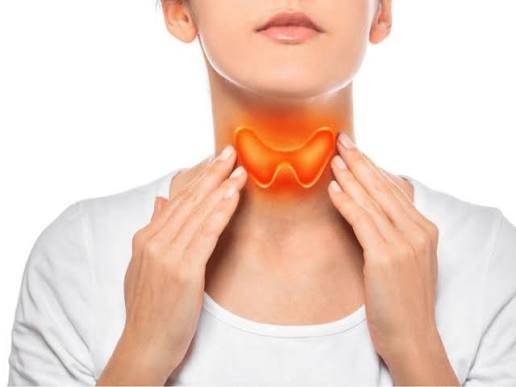
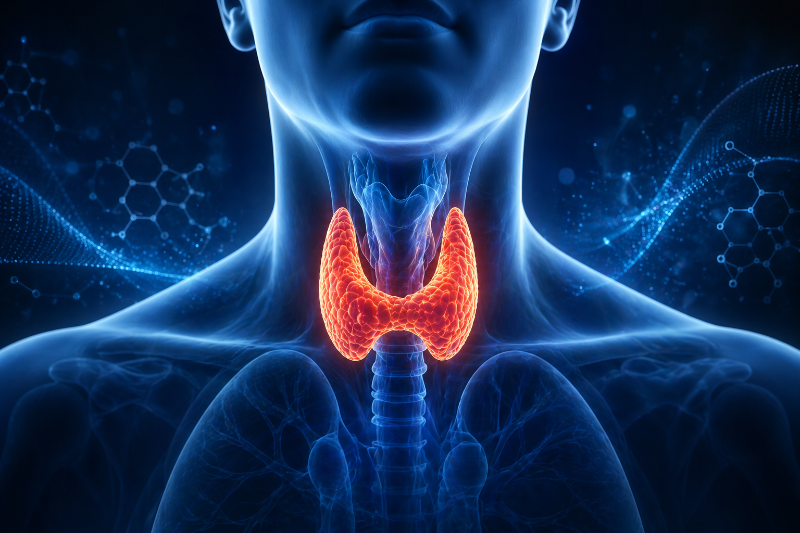
To understand the cause of hypothyroidism, it helps to know that the thyroid gland, located at the front of the neck, produces hormones that regulate the body’s energy use, temperature, and the functions of many organs. When hormone production decreases, body functions begin to slow to varying degrees.
The most common causes of hypothyroidism include:
- Hashimoto’s disease: An autoimmune disorder in which the immune system attacks thyroid tissue, reducing its ability to produce hormones. It is one of the main causes of hypothyroidism.
- Thyroid surgery: Hypothyroidism may occur after the entire thyroid gland is removed or after part of it is removed if the remaining tissue cannot produce enough hormones.
- Radiation treatment: Thyroid function may be affected after radiation treatment to the neck or radioactive iodine treatment for certain thyroid disorders.
- Some medicines: Certain medicines, such as lithium and amiodarone, may affect thyroid function.
- Iodine deficiency: The body needs iodine to produce thyroid hormones. Iodine deficiency may affect thyroid function, although it is not common in areas where enough iodine is available.
- Pituitary gland disorders: In less common cases, hypothyroidism may result from a problem affecting the hormone that stimulates the thyroid gland.
What Causes Hypothyroidism in Women?
Hypothyroidism in women may be linked to Hashimoto’s disease. It may also develop after childbirth because of thyroiditis, and it may be temporary or last longer depending on the condition.
Thyroid function may also change during and after pregnancy. For this reason, hormone levels should be monitored if you have hypothyroidism or symptoms suggesting a thyroid disorder.
Being a woman does not mean that you will necessarily develop hypothyroidism. Immune factors, family history, and general health also affect the risk.
What Are the Types of Hypothyroidism?
Identifying the type of hypothyroidism helps determine how much thyroid function is affected and which monitoring or treatment approach may be suitable. Assessment is based on symptoms and blood test results, especially thyroid-stimulating hormone (TSH) and free thyroxine (Free T4).
The main types include:
Subclinical hypothyroidism
The TSH level is high, while the Free T4 level remains within the normal range. You may have no clear symptoms, and not every case requires immediate treatment. The decision depends on the hormone level, symptoms, and other health factors.
Overt hypothyroidism
The TSH level is usually high, while the Free T4 level is below the normal range. Symptoms may be more noticeable, and levothyroxine is often used to replace the missing hormones.
The severity of hypothyroidism cannot be determined from the TSH number alone. Test results must be interpreted according to the laboratory’s reference range, your health condition, and the medicines you take.
How Is Hypothyroidism Diagnosed?
If you have persistent fatigue, weight gain, or unexplained sensitivity to cold, your doctor may recommend thyroid function tests. These tests help distinguish hypothyroidism from other conditions that can cause similar symptoms.
Diagnosis usually involves the following:
- TSH test: Measures the level of the hormone released by the pituitary gland to stimulate the thyroid. TSH often rises when the thyroid produces fewer hormones.
- Free T4 test: Measures the level of free thyroxine and helps determine whether hypothyroidism is subclinical or overt.
- Thyroid antibody test: Your doctor may order this test if Hashimoto’s disease is suspected, to determine whether the cause is autoimmune.
Additional tests may be needed depending on your symptoms and medical history. However, thyroid ultrasound is not routinely required for every person with hypothyroidism.
How Is Hypothyroidism Treated?
If your doctor confirms that you have hypothyroidism, this does not mean that you will have fatigue and weight gain for the rest of your life. Appropriate treatment can replace the missing hormones and improve symptoms.
Treatment for hypothyroidism depends on its cause and severity. Options include:
Levothyroxine Treatment
Levothyroxine is the main treatment for most cases of overt hypothyroidism. It is a synthetic hormone that replaces the thyroxine normally produced by the thyroid gland.
If your doctor prescribes this medicine, follow the prescribed dose and do not change it on your own. It is usually recommended that you take it on an empty stomach, about 30 to 60 minutes before breakfast, or according to your doctor’s instructions.
Iron and calcium supplements, along with some medicines, may reduce levothyroxine absorption. You are therefore usually advised to separate them from levothyroxine by four hours, following your doctor’s or pharmacist’s instructions.
Follow-Up and Thyroid Function Tests
Follow-up does not end when treatment begins. You may need another TSH test about 6 to 8 weeks after starting the medicine or changing the dose. Later testing is scheduled according to hormone stability and your health condition.
If you take the medicine regularly but your symptoms do not improve, your doctor may review the dose, the timing of the medicine, or other possible causes of the symptoms.
Treating the Underlying Cause
If hypothyroidism is caused by a medicine or another health problem, your doctor may review the cause and decide whether any additional action is appropriate. Do not stop any prescribed medicine without consulting your doctor.
Iodine or dietary supplements should not be taken randomly to treat hypothyroidism. Excess iodine may worsen some thyroid disorders.
Can Hypothyroidism Be Cured Completely?
The answer depends on the cause. In some cases, hypothyroidism is temporary, while in others it continues.
If hypothyroidism results from temporary thyroiditis, the thyroid may regain normal function over time. If the cause is Hashimoto’s disease or complete removal of the thyroid, long-term or lifelong thyroid hormone replacement is usually needed.
With regular treatment and follow-up, most people can control their symptoms and live normally.
Having hypothyroidism does not necessarily mean that recovery is impossible or that symptoms will continue forever. The outcome depends on the nature of the condition and how the thyroid responds to treatment.
How Long Does Hypothyroidism Treatment Take?
If you have recently started treatment, it may take several weeks before you notice clear improvement in your energy and other symptoms. Some people begin to feel better within weeks, while others may need several months before symptoms improve noticeably.
The time needed for symptoms to improve is different from the total duration of treatment. You may feel better quickly but still need to continue taking the medicine and having regular tests for a long time or for life, depending on the cause.
If you do not improve despite taking the medicine regularly, do not increase the dose yourself. See your doctor to assess the test results and whether the dose is suitable for you.
What Is the Relationship Between Hypothyroidism and Pregnancy?
If you are planning to become pregnant or discover that you are pregnant and have hypothyroidism, it is essential to monitor the condition with your doctor. Thyroid hormones play an important role in fetal development, especially the development of the brain and nervous system during the early stages of pregnancy.
Untreated or poorly controlled hypothyroidism may increase the risk of complications such as miscarriage and premature birth. It may also affect fertility in some women.
During pregnancy, your levothyroxine dose may need to be adjusted, and thyroid function tests may need to be performed more often. Contact your doctor as soon as your pregnancy is confirmed. Do not wait for symptoms or your usual follow-up appointment.
Does Hypothyroidism Cause High Blood Sugar?
Hypothyroidism may be associated with changes in glucose regulation and the body’s response to insulin. However, the relationship is complex, and hypothyroidism does not necessarily cause high blood sugar.
If you have diabetes or risk factors for diabetes, your doctor may recommend monitoring your blood sugar along with thyroid function, especially if new symptoms develop or test results change.
Do not assume that hypothyroidism is the only cause of a blood sugar problem. The condition should be assessed separately to determine the appropriate treatment.
Does Hypothyroidism Cause Weight Loss?
The opposite is more common. Hypothyroidism is usually associated with weight gain or difficulty losing weight because lower hormone levels slow metabolism and may also cause fluid retention.
However, weight gain caused by hypothyroidism is usually limited and does not necessarily explain major weight gain in every person.
Unexplained weight loss is not a typical sign of hypothyroidism. It may require evaluation for other causes, such as digestive disorders, certain illnesses, or taking more thyroid hormone than needed.
What Foods Should People With Hypothyroidism Avoid?
There is no single list of foods that all people with hypothyroidism must avoid. However, you can follow some guidelines that support thyroid health and improve treatment absorption.
- Avoid excessive iodine: Do not use iodine supplements or iodine-rich seaweed without medical advice. Excess iodine may worsen some thyroid disorders.
- Plan soy intake: Soy does not need to be completely avoided, but it is better not to consume it close to the time you take levothyroxine because it may affect absorption.
- Do not avoid cruciferous vegetables without a reason: You can eat broccoli, cauliflower, and cabbage as part of a balanced diet. Usual amounts are not a problem for most people who get enough iodine.
- Be careful with iron and calcium: These supplements may affect absorption of thyroid medicine. Separate them from your thyroid medicine according to medical instructions.
- Follow a balanced diet: Eat protein, vegetables, fruit, and sources of essential nutrients. Do not rely on specific foods or supplements as a treatment for hypothyroidism.
A healthy diet supports your overall health, but it does not replace hormone treatment when medical treatment is needed.
If you have persistent fatigue, weight gain, or other symptoms of hypothyroidism, do not rely on symptoms alone to identify the cause. Thyroid function tests can help establish the correct diagnosis and start treatment at the right time.
Most importantly, hypothyroidism does not necessarily mean that symptoms will continue or that you will be unable to live normally. With appropriate treatment and regular follow-up, you can control the condition and protect your long-term health.
If you still need a doctor’s consultation regarding this condition, you can easily book an appointment through Vezeeta.
Related Keywords


Specialized Doctors

Raed Mohamed Alazab
Consultant of Diabetes, Endocrinology Hepatology and Gastroneotolo - Consultant of internal Medicine

Mohamed Hassan
Consultant in general internal medicine, diabetes, endocrinology and digestive system diseases - Ain Shams Medicine

Atef Nessim
Consultant of internal medicine , diabetes and endocrinology
References
https://www.nhs.uk/conditions/underactive-thyroid-hypothyroidism/
https://www.niddk.nih.gov/health-information/endocrine-diseases/hypothyroidism
https://www.niddk.nih.gov/health-information/endocrine-diseases/pregnancy-thyroid-disease/
https://www.niddk.nih.gov/health-information/diagnostic-tests/thyroid
Specialized Doctors
Raed Mohamed Alazab
Consultant of Diabetes, Endocrinology Hepatology and Gastroneotolo - Consultant of internal Medicine
Mohamed Hassan
Consultant in general internal medicine, diabetes, endocrinology and digestive system diseases - Ain Shams Medicine
Atef Nessim
Consultant of internal medicine , diabetes and endocrinology