Fetal Growth Restriction: Warning Signs and the Latest Solutions to Support Your Baby’s Healthy Development
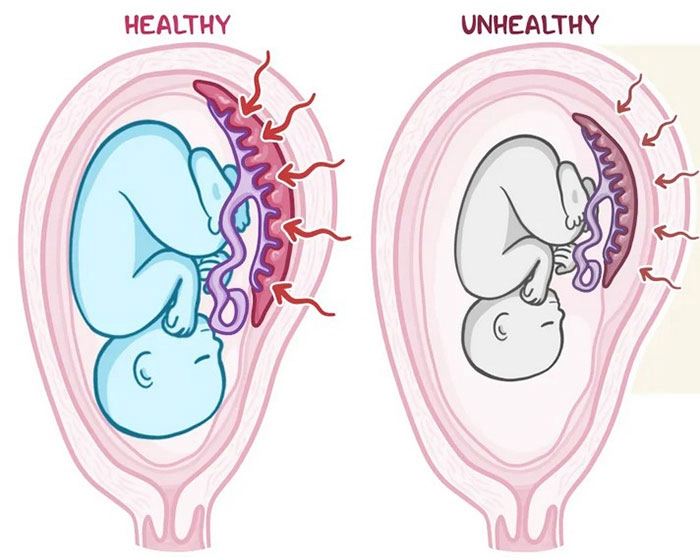
Fetal growth restriction (FGR) is a medical condition in which the fetus grows at a slower rate than the expected normal pace for its gestational age inside the mother’s womb. This condition can affect the baby’s health and increase the risk of complications before and after birth, such as premature delivery or low birth weight. Early detection of growth restriction is one of the most important steps to ensure careful monitoring of the pregnancy and taking appropriate measures to protect the health of both mother and baby. In this article, we will discuss the main causes of fetal growth restriction, the symptoms that may indicate the problem, and how to effectively diagnose and treat it to ensure the best outcomes.
What are the causes of fetal growth restriction?
- Problems with the placenta that may hinder the supply of nutrients and oxygen to the fetus.
- Chronic maternal diseases such as high blood pressure, diabetes, or heart disease.
- Infections during pregnancy, such as viral or bacterial infections.
- Smoking, drug use, or poor nutrition.
- Genetic factors or fetal abnormalities.
What are the symptoms of fetal growth restriction?
- Decreased or weak fetal movements.
- Abdominal size smaller than expected for gestational age.
- Abnormal findings in ultrasound examinations.
- Insufficient weight gain by the mother during pregnancy.
How is fetal growth restriction diagnosed?
- Regular check-ups with the doctor to monitor abdominal growth and fetal movements.
- Ultrasound to measure fetal size and estimate weight.
- Doppler tests to assess blood flow in the placenta and blood vessels.
What is the treatment and management of fetal growth restriction?
- Close and continuous monitoring of fetal growth and health.
- Treating any maternal health problems, such as controlling blood pressure or diabetes.
- Lifestyle modifications, such as improving nutrition and quitting smoking.
- In some cases, early delivery may be recommended if the fetus’s health is at risk.
Conclusion
Fetal growth restriction is a condition that requires careful monitoring and ongoing medical care to ensure the best health outcomes for both mother and baby. With early diagnosis and appropriate treatment, risks can be reduced, and the chances of delivering a healthy baby with normal growth after birth can be improved. Continuous communication with your doctor and following their advice is key to a safe and successful pregnancy journey.
If you still need to consult a doctor regarding this condition, you can easily book an appointment through Vezeeta
Related Keywords



References
American College of Obstetricians and Gynecologists (ACOG) – Fetal Growth Restriction: Practice Bulletin No. 227.
https://www.acog.org/clinical/clinical-guidance/practice-bulletin/articles/2020/01/fetal-growth-restriction
Royal College of Obstetricians and Gynaecologists (RCOG) – Small-for-Gestational Age Fetus: Investigation and Management. Green-top Guideline No. 31.
https://www.rcog.org.uk/guidance/browse-all-guidance/green-top-guidelines/small-for-gestational-age-fetus-investigation-and-management-green-top-guideline-no-31/
World Health Organization (WHO) – WHO recommendations on antenatal care for a positive pregnancy experience (includes FGR management).
https://www.who.int/publications/i/item/9789241549912