Heel Pain When Walking: Causes, Treatment, and When to See a Doctor

What Causes Heel Pain When Walking?
The cause depends on where the pain sits, when it shows up, and what makes it better or worse. Some of the most common culprits:
- Plantar fasciitis: probably the most common cause overall. It happens when the band of tissue running along the bottom of your foot, connecting the heel bone to the toes, gets irritated or inflamed.
- Achilles tendinitis: this one shows up at the back of the heel and tends to flare with physical activity or running.
- Repetitive strain: walking long distances or standing for hours puts cumulative stress on the tissues around the heel.
- Unsupportive footwear: shoes without proper cushioning or arch support shift more pressure onto the heel with every step.
- Injuries: sprains, bruising, or fractures from a fall or sports activity can all cause heel pain.
- Heel spurs: bony deposits can form around the heel. Worth knowing: they don't always cause pain. Some people have them and feel nothing at all.
- Joint disease: certain types of arthritis can cause pain in or around the heel.
Why Does My Heel Hurt First Thing in the Morning?
If those first steps out of bed feel the worst, plantar fasciitis is one likely explanation.
During rest, the plantar fascia tightens up. When you stand and start walking after hours of sleep, that tissue suddenly gets pulled taut again which can produce a sharp, noticeable pain along the bottom of the heel. The pain often eases up once you've been moving for a while, then returns after prolonged standing or walking.
That said, morning heel pain doesn't automatically mean plantar fasciitis. Diagnosis requires actually looking at the full symptom picture and doing a physical exam.
Does Heel Pain Affect Women Differently?
Women face a few specific risk factors that can raise the odds of developing heel pain:
- Wearing high heels regularly for extended periods
- Shoes that lack proper arch support
- Long hours standing or walking
- Weight gain, including the normal weight changes during pregnancy
- Starting a new exercise routine or ramping up intensity too quickly
During pregnancy, the combination of increased body weight and shifts in how load is distributed across the feet puts extra pressure on the heels which can trigger pain or make existing pain worse.
Which Medical Conditions Cause Heel Pain?
Beyond strain and injury, some health conditions can be behind heel pain:
- Plantar fasciitis: pain under the heel, typically sharpest in those first morning steps
- Achilles tendinitis: pain behind the heel, often linked to increased physical activity
- Arthritis: certain types can cause pain and stiffness in the foot and heel
- Bursitis: can cause pain and swelling near the heel
- Stress fractures: from repeated high-impact activity; more common in athletes
- Nerve problems: may produce burning, numbness, or tingling alongside the pain
Can Gout Cause Heel Pain?
Yes, gout can cause foot pain though it typically targets joints, most often the big toe. It can affect other areas too, in some people.
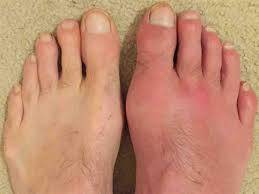
When a gout attack is responsible, the pain usually comes on suddenly and intensely, often with swelling, redness, and warmth in the affected area.
So if you're dealing with sudden, severe pain alongside visible swelling and redness, don't assume it's just a tired foot. See a doctor to find out what's actually going on.
Do High Uric Acid Levels Cause Heel Pain?
Elevated "salts" in the body if what's meant is high uric acid isn't a common direct cause of heel pain on its own. High uric acid is linked to gout, which results from urate crystals building up in joints.
Heel pain alone shouldn't be taken as evidence of elevated uric acid without proper medical evaluation.
Can Low Vitamin D Cause Heel Pain?
Vitamin D deficiency can be associated with muscle and bone aches, especially when levels are significantly low. But it isn't a common direct cause of heel pain across the board.
Vitamin B12 deficiency is a separate story: it can lead to nerve-related symptoms like numbness, tingling, and burning and these can show up in the feet.
If your heel pain comes with tingling or burning sensations, your doctor may want to evaluate nerve function and look into possible deficiencies.
What Tests Are Used to Diagnose Heel Pain?
Not every case of heel pain needs imaging or bloodwork. Your doctor will typically start by asking about the nature of the pain, when it started, and what activities make it worse then examine the foot, ankle, and how you move.
Depending on what the exam suggests, they might order:
- X-rays: to check for fractures or bony changes
- MRI: when soft tissue evaluation or certain injuries need a closer look
- Uric acid test: part of a gout workup, though it can't confirm the diagnosis on its own
- Inflammatory or immune markers: if an inflammatory or autoimmune condition is suspected
- Vitamin D or B12 levels: if symptoms or medical history point toward a possible deficiency
You don't need all of these just because your heel hurts. Your doctor decides which tests make sense based on your specific situation.
How Is Heel Pain Treated?
Treatment depends on the cause. For mild to moderate cases, conservative measures often bring real relief:
- Temporarily cutting back on activities that aggravate the pain
- Applying a cold pack to the area for short intervals several times a day
- Switching to supportive, well-cushioned footwear
- Using insoles or orthotics if your doctor recommends them
- Doing regular stretching exercises for the foot and calf muscles
- Physical therapy when needed
If the pain doesn't respond to these approaches, your doctor may suggest more targeted treatment options based on what's causing it whether that's specialized physical therapy or a specific medical intervention.
What Painkiller Works Best for Heel Pain?
There's no single best painkiller for heel pain that works for everyone. The right choice depends on the cause, your overall health, and any other medications you're already taking.
Some anti-inflammatory medications (NSAIDs) can help reduce pain and inflammation, but they should be used according to your doctor's or pharmacist's guidance especially if you have stomach issues, kidney problems, or are on other medications.
Using painkillers long-term without knowing the underlying cause isn't a good idea.
Is Heel Pain Serious?
In most cases, no. Heel pain when walking usually isn't a sign of something dangerous, and it often improves with rest, avoiding what triggers it, and the right treatment. But persistent or recurring pain — especially if it's starting to limit how you walk or what you can do day-to-day — shouldn't be ignored.
When Should You See an Orthopedic Doctor?
It's worth booking an appointment if:
- The pain hasn't improved with rest and home care
- The pain is severe or getting progressively worse
- You can't walk normally or do your usual activities
- The pain started after a fall or injury
- There's swelling, redness, or warmth alongside the pain
- You're experiencing numbness, tingling, or burning in the foot
- You have an underlying condition that affects your nerves, joints, or bones
Don't try to diagnose the cause on your own based on where it hurts. Causes can overlap and symptoms can look similar. A proper medical evaluation pinpoints what's actually going on — and gets you on the right treatment path before it turns into a chronic problem.
If you still need a doctor’s consultation regarding this condition, you can easily book an appointment through Vezeeta.
Related Keywords





References
https://www.mayoclinic.org/diseases-conditions/plantar-fasciitis/symptoms-causes/syc-20354846
https://my.clevelandclinic.org/health/symptoms/heel-pain
https://www.nhs.uk/symptoms/foot-pain/heel-pain/
https://www.mayoclinic.org/diseases-conditions/achilles-tendinitis/symptoms-causes/syc-20369020
https://www.healthline.com/health/plantar-fasciitis